Key takeaways
- Traditional SEO tools track Google rankings but are blind to how AI search engines like ChatGPT, Perplexity, and Gemini cite your brand.
- The gap between "monitoring AI visibility" and "actually improving it" is where most teams get stuck in 2026.
- Signs your stack is holding you back include: no citation tracking, no AI crawler logs, no content gap analysis tied to real prompt data, and no way to connect AI visibility to revenue.
- The fix isn't always replacing your SEO tools -- it's knowing which gaps to fill and with what.
There's a version of this conversation that happened in every marketing team around 2012, when mobile traffic started surpassing desktop. Teams that had been optimizing for desktop experiences suddenly had to reckon with a completely different user behavior. Some adapted fast. Others spent two years insisting their desktop rankings were fine.
We're in a similar moment now, except the shift is from keyword-based search to AI-generated answers. And the uncomfortable truth is that most SEO stacks in 2026 are still built for the old world.
That doesn't mean your existing tools are worthless. Backlink authority still matters. Technical SEO still matters. On-page optimization still matters. But if your stack can't tell you whether ChatGPT is citing your competitors instead of you -- and why -- then you're flying blind on a channel that's already driving meaningful traffic for a lot of brands.
This guide is about diagnosing where your stack falls short and understanding what to do about it.
What changed, and why your old tools can't see it
Google's AI Mode is now the default search experience for most users. Perplexity has grown into a serious research tool. ChatGPT's web search handles millions of queries daily. These aren't niche behaviors anymore.
The key difference from traditional search: AI engines don't return a list of links. They synthesize an answer and cite sources. That means visibility isn't about ranking position 1-10 -- it's about whether your brand appears in the answer at all, and whether the AI trusts your content enough to quote it.
Traditional rank trackers like Semrush or Ahrefs were designed to tell you where you rank for a keyword in Google's blue-link results. They're genuinely good at that. But they weren't built to answer questions like:
- When someone asks ChatGPT "what's the best project management tool for remote teams," does your brand come up?
- Which of your pages is Perplexity actually citing, and how often?
- Are AI crawlers hitting your site, and are they encountering errors that stop them from indexing your content?
- What topics are your competitors being cited for that you're completely absent from?
These are fundamentally different questions, and they require fundamentally different infrastructure to answer.
The five warning signs your stack is holding you back
1. You have no idea what AI engines are saying about your brand
This is the most basic gap, and it's surprisingly common. If you're not actively monitoring how ChatGPT, Perplexity, Gemini, Claude, and Google AI Overviews respond to prompts relevant to your category, you're missing a significant portion of the discovery funnel.
The fix here is adding an AI visibility monitoring tool. Several exist at different price points and capability levels. Tools like Promptwatch track responses across 10+ AI models at once, while lighter options like Otterly.AI or Peec.ai handle basic monitoring for smaller teams.

Otterly.AI


The important thing is to start tracking. You can't optimize what you can't see.
2. You're monitoring but not acting on it
This is where most teams get stuck. They add an AI monitoring tool, see that competitors are getting cited more than they are, and then... don't know what to do next.
Monitoring tells you the score. It doesn't tell you how to change it.
The gap between "we can see our AI visibility is low" and "we know exactly what content to create to fix it" is where a lot of stacks fall apart. Most monitoring-only tools stop at showing you a dashboard. The harder problem -- identifying which specific topics, angles, and questions your content is missing -- requires answer gap analysis tied to real prompt data.
This is the difference between a tracker and an optimization platform. If your current tool shows you a visibility score but can't tell you which prompts your competitors rank for that you don't, and can't help you create content to close those gaps, you're stuck in a loop of knowing you have a problem without a path to solving it.
3. You have no visibility into AI crawler behavior
Here's something most marketers don't think about: AI engines have their own crawlers (GPTBot, ClaudeBot, PerplexityBot, etc.), and they behave differently from Googlebot. They crawl at different frequencies, prioritize different content types, and can hit errors that silently prevent your pages from being indexed by AI systems.
If you're not logging AI crawler activity on your site, you might have pages that you think are being read by AI engines but actually aren't -- because the crawler is hitting a 403 error, or your JavaScript rendering is blocking it, or the page is returning a redirect chain that the bot doesn't follow.
Traditional SEO crawlers like Screaming Frog are excellent for technical audits, but they simulate Googlebot, not GPTBot. You need a separate layer that specifically tracks AI crawler behavior.
4. Your content strategy isn't grounded in prompt data
Traditional keyword research tells you what people type into Google. Prompt data tells you what people ask AI engines -- and these are meaningfully different.
AI prompts tend to be longer, more conversational, and more specific. They often reflect a buyer who's already done some research and is looking for a recommendation or comparison. "Best CRM for a 10-person SaaS team" is a very different query than "CRM software," and the content that gets cited in response to it is different too.
If your content team is still building briefs based purely on Google keyword volume, they're optimizing for the wrong signal. The question isn't just "what do people search for" -- it's "what do people ask AI engines, and what does the AI want to cite in response?"
Tools like Frase and MarketMuse help with content optimization for traditional search, and they're still worth having. But they need to be complemented with prompt-level data if you want to show up in AI answers.
5. You can't connect AI visibility to revenue
This is the most mature gap, and it's where enterprise teams tend to feel the most pain. You might be able to show that your brand is being cited in AI responses. But can you show that those citations are driving traffic? And can you connect that traffic to pipeline or revenue?
Most AI monitoring tools stop at citation counts. That's useful for brand awareness reporting, but it doesn't satisfy a CFO asking whether the GEO investment is paying off.
Traffic attribution from AI search is genuinely hard -- AI engines don't always pass referral data cleanly, and the user journey from "AI cited your brand" to "user visited your site" to "user converted" can span days or weeks. But it's not impossible, and the teams that figure it out first will have a significant advantage in justifying their GEO budgets.
How to audit your current stack
Before adding new tools, it's worth mapping what you actually have against what you actually need. Here's a simple framework:
| Capability | What you need | Tools that cover it |
|---|---|---|
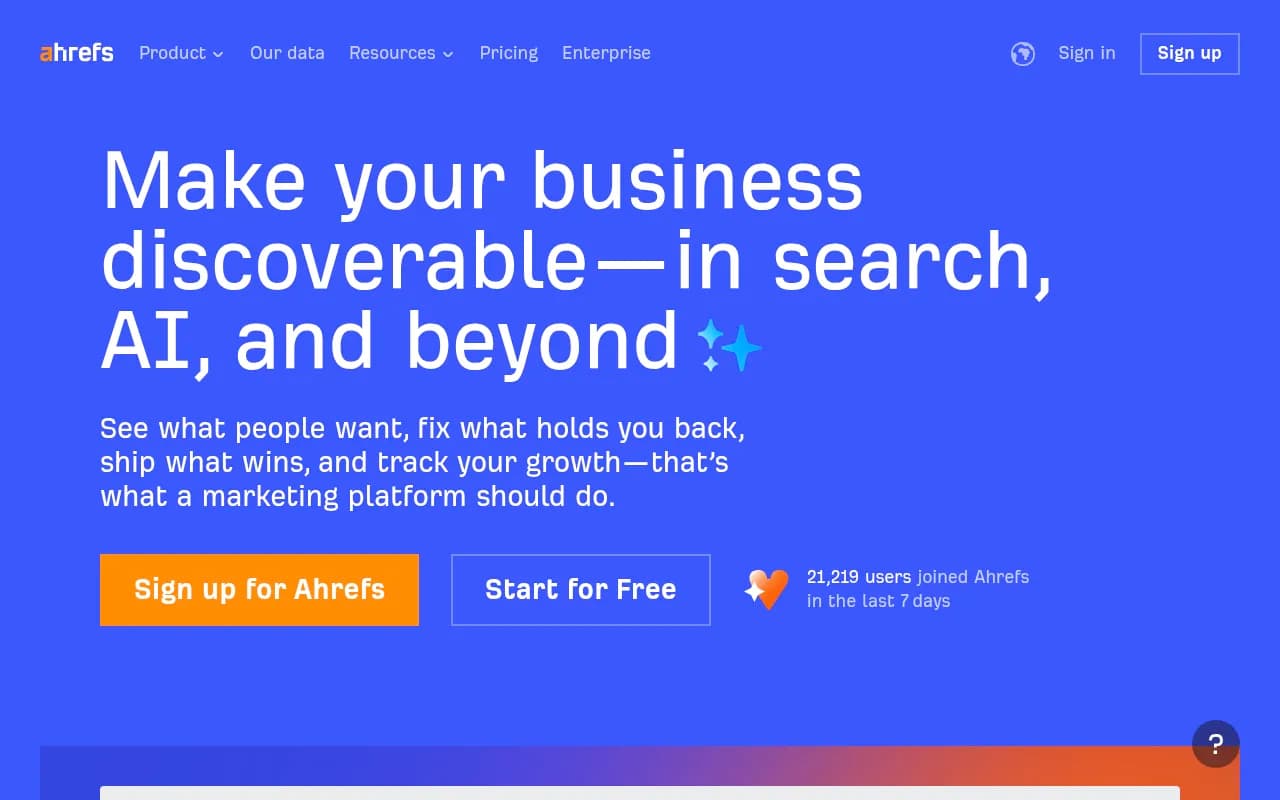
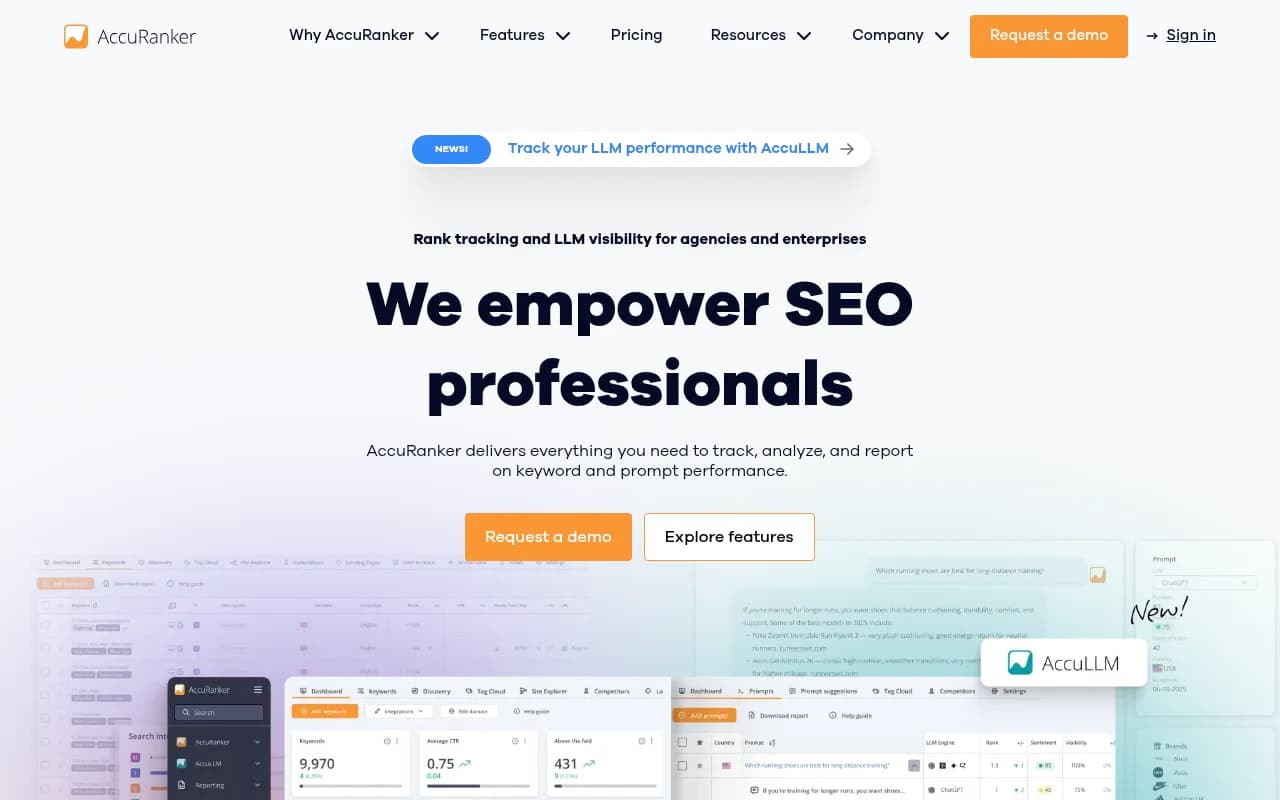
| Traditional rank tracking | Google keyword positions, SERP features | Semrush, Ahrefs, AccuRanker |
| AI visibility monitoring | Brand citations across ChatGPT, Perplexity, Gemini, etc. | Promptwatch, Otterly.AI, Profound |
| Answer gap analysis | Which prompts competitors rank for that you don't | Promptwatch |
| AI crawler logs | Which pages AI bots crawl, errors, crawl frequency | Promptwatch (Professional+) |
| Content optimization for AI | Briefs grounded in prompt data and citation analysis | Promptwatch, Frase, MarketMuse |
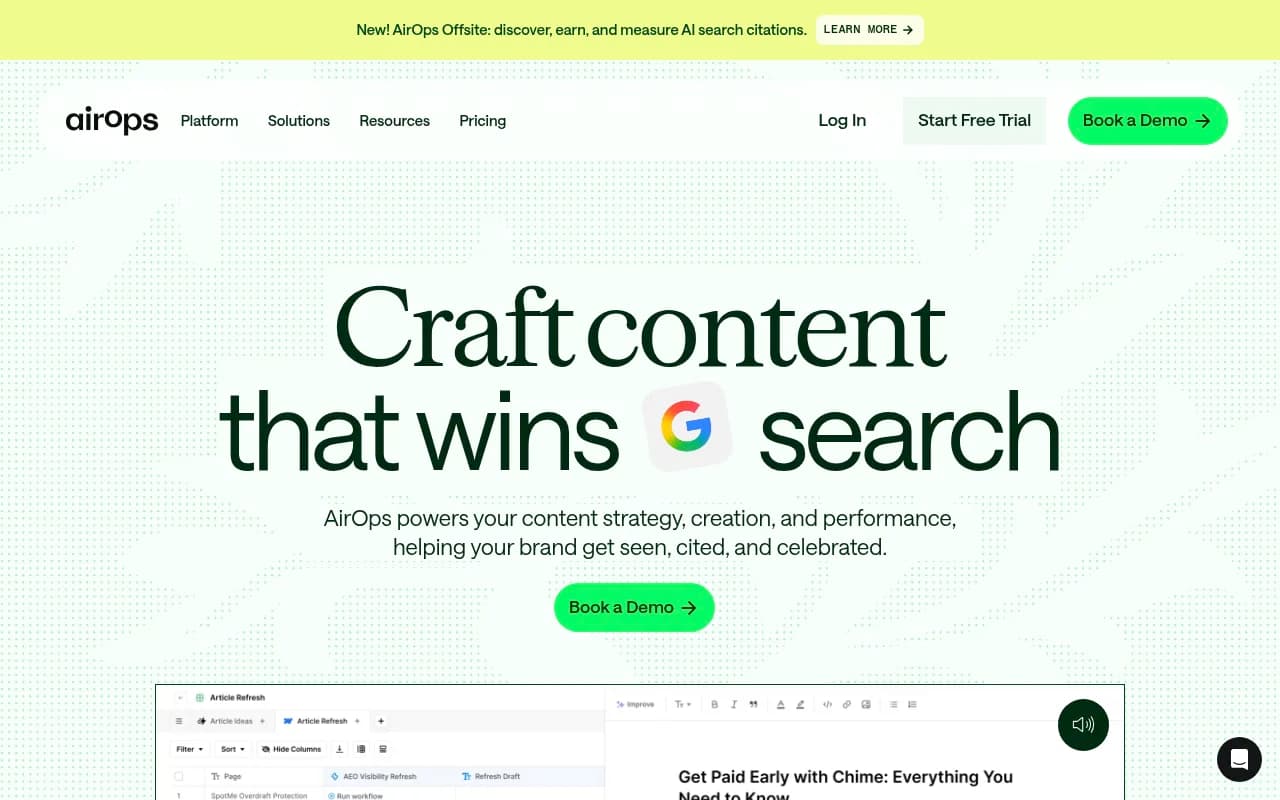
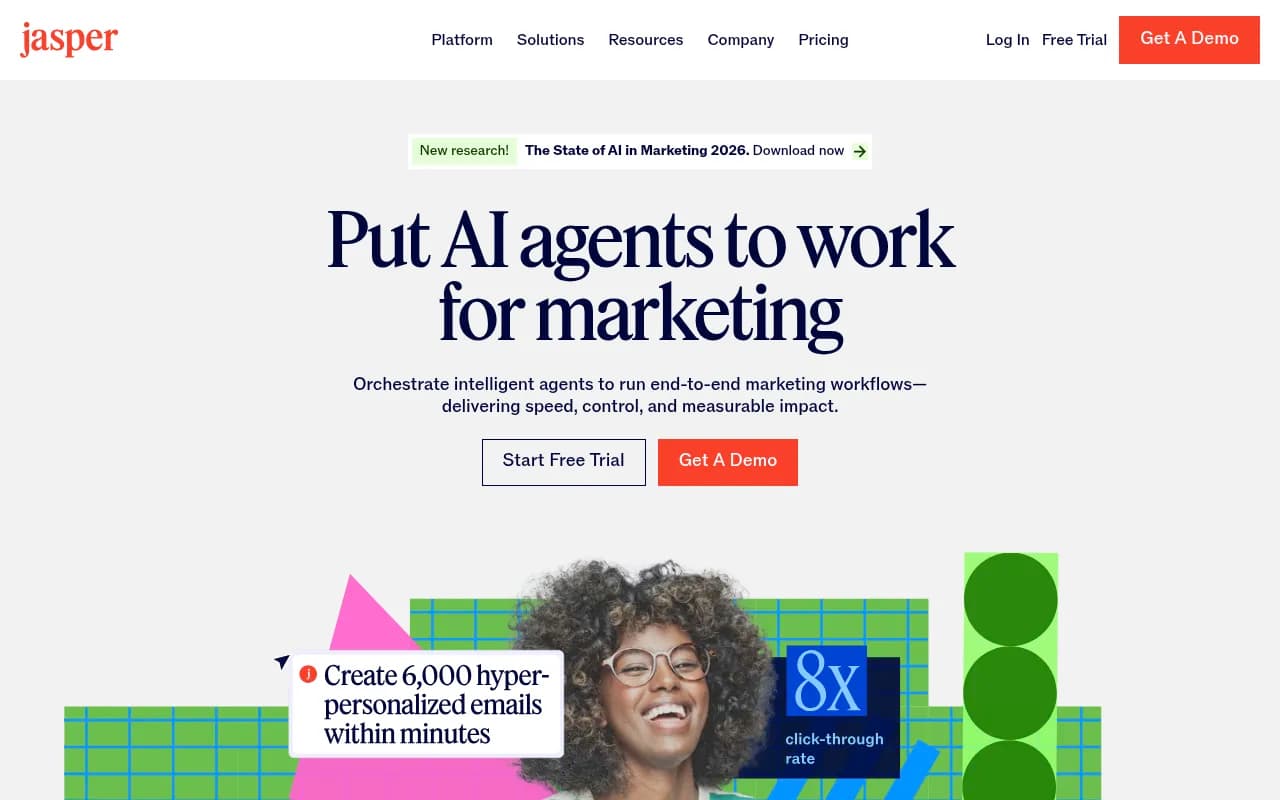
| Content generation | Articles and briefs engineered for AI citation | Promptwatch, AirOps, Jasper |
| Technical SEO | Site crawling, indexing, Core Web Vitals | Screaming Frog, ContentKing |
| AI traffic attribution | Connecting AI citations to site visits and revenue | Promptwatch (Business), Analyze AI |
Profound

Most teams will find they have solid coverage in the top row and almost nothing in the middle rows. That's the gap.
What a complete 2026 stack actually looks like
You don't need to throw out your existing tools. The goal is to fill the gaps, not start over.
A realistic stack for a mid-market marketing team in 2026 looks something like this:
Foundation layer (keep what you have): Semrush or Ahrefs for keyword research and backlink analysis. Google Search Console for organic performance. Screaming Frog or a similar crawler for technical audits. These aren't going anywhere.
AI visibility layer (what most teams are missing): An AI monitoring and optimization platform that covers citation tracking, answer gap analysis, and ideally crawler logs. This is where you need to be honest about whether a basic monitoring tool is enough or whether you need something that helps you act on the data.
Content layer: A way to generate content briefs and articles that are grounded in prompt data, not just keyword volume. This might be a dedicated GEO platform with content generation built in, or a combination of a content brief tool and an AI writing platform.
Attribution layer: Some mechanism for connecting AI visibility to site traffic and downstream revenue. This is the hardest piece and the one most teams tackle last -- but it's worth planning for from the start.
The monitoring-only trap
One pattern worth calling out specifically: the monitoring-only trap.
It goes like this. A team realizes they need to track AI visibility. They sign up for a monitoring tool, set up some prompts, and start getting weekly reports. The reports show their visibility score. Maybe they see it go up or down. But they don't know why it changed, and they don't know what to do to move it.
Six months later, they're still watching the score fluctuate without a clear path to improving it. The tool has become a reporting artifact rather than an optimization lever.
This is the core limitation of monitoring-only platforms. They answer "what is happening" but not "why" or "what to do about it." The teams that are actually moving their AI visibility scores are the ones using platforms that close the loop -- from identifying gaps, to creating content that addresses those gaps, to tracking whether that content gets cited.
A note on entity optimization
One thing that's genuinely different about GEO versus traditional SEO: entity recognition matters more.
AI engines build a model of the world based on entities -- brands, people, products, concepts -- and the relationships between them. If your brand isn't clearly recognized as an entity by AI models, you're at a disadvantage even if your content is technically excellent.
This means things like: consistent NAP data across directories, structured data markup (especially Organization and Product schemas), Wikipedia presence if you're large enough to warrant it, and clear brand signals across authoritative third-party sources.
Traditional SEO tools don't really address this. It's a gap worth filling, and tools like WordLift specifically focus on structured data and entity optimization.
Making the case internally
If you're reading this as someone who needs to convince leadership to invest in GEO tooling, the framing matters.
The argument isn't "AI search is the future, we need to prepare." That's too abstract and too easy to defer.
The more effective argument is concrete and present-tense: "Our competitors are being cited in ChatGPT and Perplexity responses to queries that our buyers are using right now. We have no visibility into this channel, no way to measure it, and no way to improve it. Here's what it would cost to fix that, and here's what we expect to learn in the first 90 days."
That's a different conversation. It's specific, it's tied to competitive risk, and it has a clear starting point.
Where to start
If you're not sure where to begin, the honest answer is: start with monitoring. You can't make a case for optimization investment without data showing what you're missing.
Pick a set of 20-30 prompts that represent how your buyers actually ask AI engines about your category. Run them across ChatGPT, Perplexity, and Google AI Overviews. See where your brand appears, where competitors appear, and where neither of you appear (which is often the biggest opportunity).
That exercise alone will tell you more about your GEO gaps than most audits. And it'll give you the concrete data you need to make the case for building out the rest of your stack.
The teams winning in AI search right now aren't necessarily the ones with the biggest budgets. They're the ones who started paying attention earlier, built systems to track what's happening, and created content that AI engines actually want to cite. That's a process anyone can start -- the only question is when.