Key Takeaways
- Automated content brief systems combine AI search APIs (ChatGPT, Perplexity, Gemini) with GPT-4 to generate data-driven briefs in minutes instead of hours
- The best automation workflows pull real citation data, competitor analysis, and prompt volumes to inform brief generation—not just generic keyword lists
- Tools like Promptwatch provide the AI search visibility data you need to identify content gaps and optimize for AI engines
- A complete automation stack includes: AI search API access, GPT-4 for brief generation, workflow automation (Make/Zapier), and a centralized content database (Airtable/Notion)
- The ROI is massive: teams report 10+ hours saved per week and 3x content output with better AI search performance

Why Automate Content Briefs in 2026?
Content teams are drowning in manual research. The traditional brief creation process—scraping SERPs, analyzing competitors, compiling keywords, writing guidelines—consumes 3-5 hours per brief. When you're producing 20+ pieces per month, that's 60-100 hours of pure research labor.
But here's what changed in 2026: AI search engines like ChatGPT, Perplexity, Claude, and Google AI Overviews now drive 40%+ of search traffic for many brands. Your content needs to rank in both traditional Google results AND get cited by AI models. That means your briefs need data from both worlds.
Manual research can't keep up. You need automation that:
- Pulls real-time data from AI search APIs to see what content AI models are citing
- Identifies gaps where competitors are visible but you're not
- Analyzes prompt volumes and difficulty scores to prioritize topics
- Generates comprehensive briefs that guide writers toward AI-friendly content
- Scales to produce dozens of briefs per week without burning out your team
The teams winning in 2026 have built invisible AI workflows that turn a single content idea into a complete, research-backed brief in under 10 minutes.
The Core Components of an Automated Brief System
1. AI Search Visibility Data
Your automation starts with understanding what AI engines are saying about your industry. You need access to:
- Citation data: Which domains, pages, and sources are AI models citing when answering prompts in your niche?
- Prompt intelligence: What questions are users asking? What's the search volume and difficulty for each prompt?
- Competitor analysis: Where are competitors visible that you're not? What content are they publishing that gets cited?
- Gap analysis: Which prompts should you target based on winnable opportunities?
Platforms like Promptwatch provide this data through their API. Unlike monitoring-only tools, Promptwatch shows you the gaps—the specific prompts competitors rank for but you don't—then helps you create content to fill them. With 880M+ citations analyzed across ChatGPT, Perplexity, Claude, Gemini, and other models, you get the real data needed to inform your briefs.
2. GPT-4 for Brief Generation
Once you have the data, GPT-4 becomes your brief-writing engine. You feed it:
- Target prompt and related queries
- Top-cited sources and competitor content
- Semantic keywords and entities
- User intent signals
- Structural recommendations (headings, word count, media types)
GPT-4 synthesizes this into a comprehensive brief that includes:
- SEO-optimized title and meta description
- Content outline with H2/H3 structure
- Primary and secondary keywords with placement guidance
- Competitor content analysis and differentiation angles
- AI search optimization tips (how to structure content for citations)
- Word count targets and readability guidelines
- Internal linking opportunities
- Media requirements (screenshots, tool embeds, diagrams)
3. Workflow Automation Platform
You need a system to orchestrate the entire process. Two popular options:
Make (formerly Integromat): Visual automation platform that connects 3,000+ apps. Build workflows that trigger when you add a topic to your content calendar, pull data from AI search APIs, send it to GPT-4, format the output, and save the brief to your content database.
Zapier: Simpler interface, great for basic workflows. Connect your content planning tool (Airtable, Notion, Google Sheets) to GPT-4 and other services with pre-built integrations.
4. Centralized Content Database
Store your briefs, track production status, and manage the content lifecycle in one place:
Airtable: Powerful database with custom views, automation, and API access. Build a content operations hub that tracks briefs, drafts, published pieces, and performance metrics.
Notion: All-in-one workspace with databases, docs, and wikis. Great for teams that want everything in one tool.
Contentful: Headless CMS for larger teams that need structured content and multi-channel publishing.
Step-by-Step: Building Your Automated Brief System
Step 1: Set Up Your AI Search Data Source
Start by connecting to an AI search visibility platform. Here's how to do it with Promptwatch:
- Create a Promptwatch account and add your website
- Define your prompt set: Add 50-350 prompts relevant to your industry (Promptwatch's prompt discovery tool can suggest these based on your domain)
- Enable tracking: Promptwatch monitors how ChatGPT, Perplexity, Claude, Gemini, and other models respond to your prompts daily
- Access the API: Use Promptwatch's API to pull citation data, competitor analysis, and gap insights programmatically
Key data points to extract:
- Prompts where competitors are cited but you're not (content gaps)
- Citation sources for each prompt (what content AI models prefer)
- Prompt volume estimates and difficulty scores
- Related queries and semantic variations
- Page-level visibility data (which of your pages are getting cited)
Step 2: Build Your GPT-4 Prompt Template
Create a structured prompt that turns AI search data into a comprehensive brief. Here's a template:
You are an expert content strategist creating a detailed content brief.

TOPIC: {target_prompt}
RELATED QUERIES: {related_prompts}
TOP CITED SOURCES: {citation_data}
COMPETITOR CONTENT: {competitor_analysis}
TARGET KEYWORDS: {semantic_keywords}
USER INTENT: {intent_signals}

Generate a comprehensive content brief that includes:

1. SEO-optimized title (60 chars max)
2. Meta description (155 chars max)
3. Content outline with H2/H3 structure
4. Primary keyword (1) and secondary keywords (5-10)
5. Keyword placement guidance
6. Competitor differentiation strategy
7. AI search optimization tips (how to structure for citations)
8. Target word count
9. Internal linking opportunities
10. Media requirements (screenshots, diagrams, tool embeds)
11. Call-to-action recommendations

Format as JSON for easy parsing.
Test this prompt manually in ChatGPT or Claude first, then integrate it into your automation workflow.
Step 3: Connect the Workflow in Make or Zapier
Here's a sample workflow in Make:
Trigger: New row added to Airtable (your content calendar)
Action 1: HTTP request to Promptwatch API
- Pull citation data, competitor analysis, and gap insights for the target prompt
- Extract related queries and semantic keywords
Action 2: HTTP request to OpenAI API (GPT-4)
- Send the structured prompt with data from Step 1
- Receive formatted brief as JSON
Action 3: Parse JSON response
- Extract title, outline, keywords, recommendations
Action 4: Update Airtable record
- Save the complete brief to your content database
- Set status to "Ready for Writing"
Action 5 (optional): Send Slack notification
- Alert your content team that a new brief is ready
This entire workflow runs in under 60 seconds. You add a topic to your content calendar, and within a minute, you have a research-backed brief ready for your writers.
Step 4: Integrate with Your Content Creation Tools
Once briefs are generated, connect them to your writing and optimization tools:
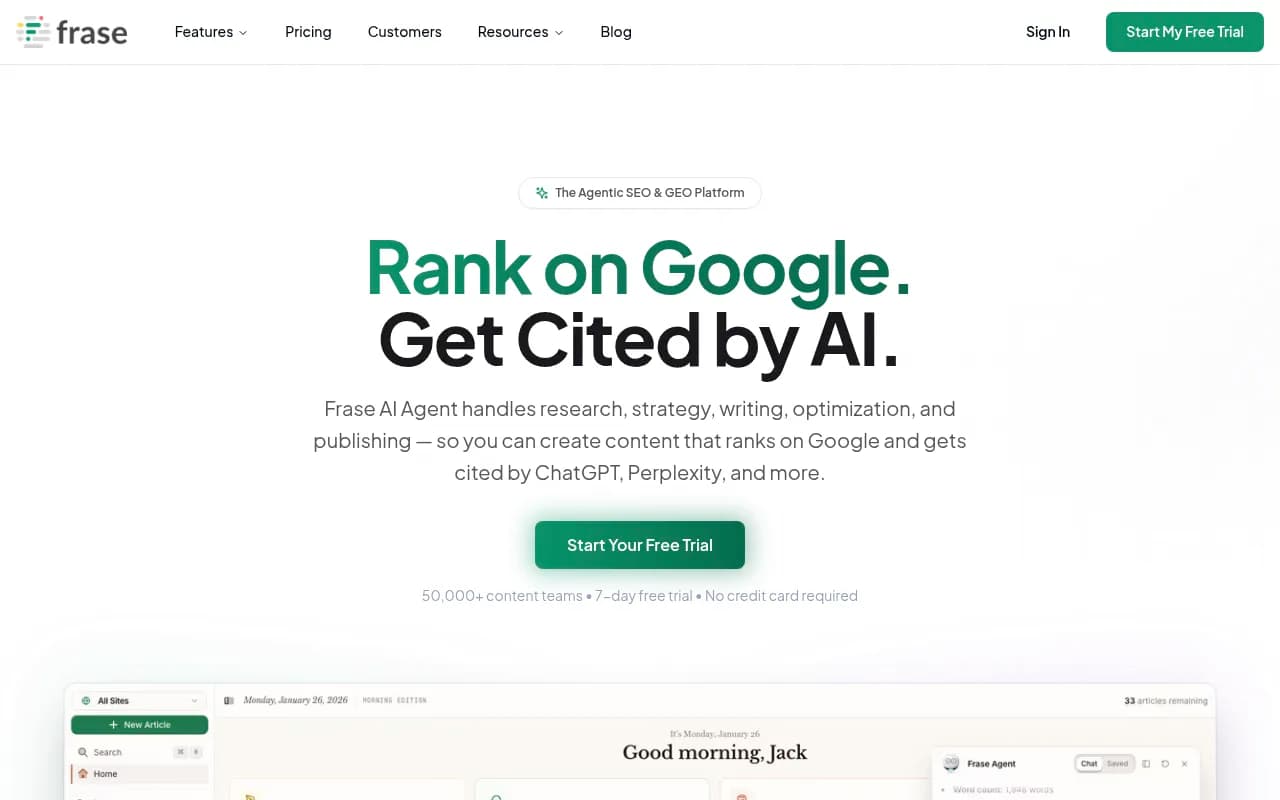
For SEO optimization: Tools like Surfer SEO, Clearscope, or Frase can ingest your brief and provide real-time optimization guidance as writers work.

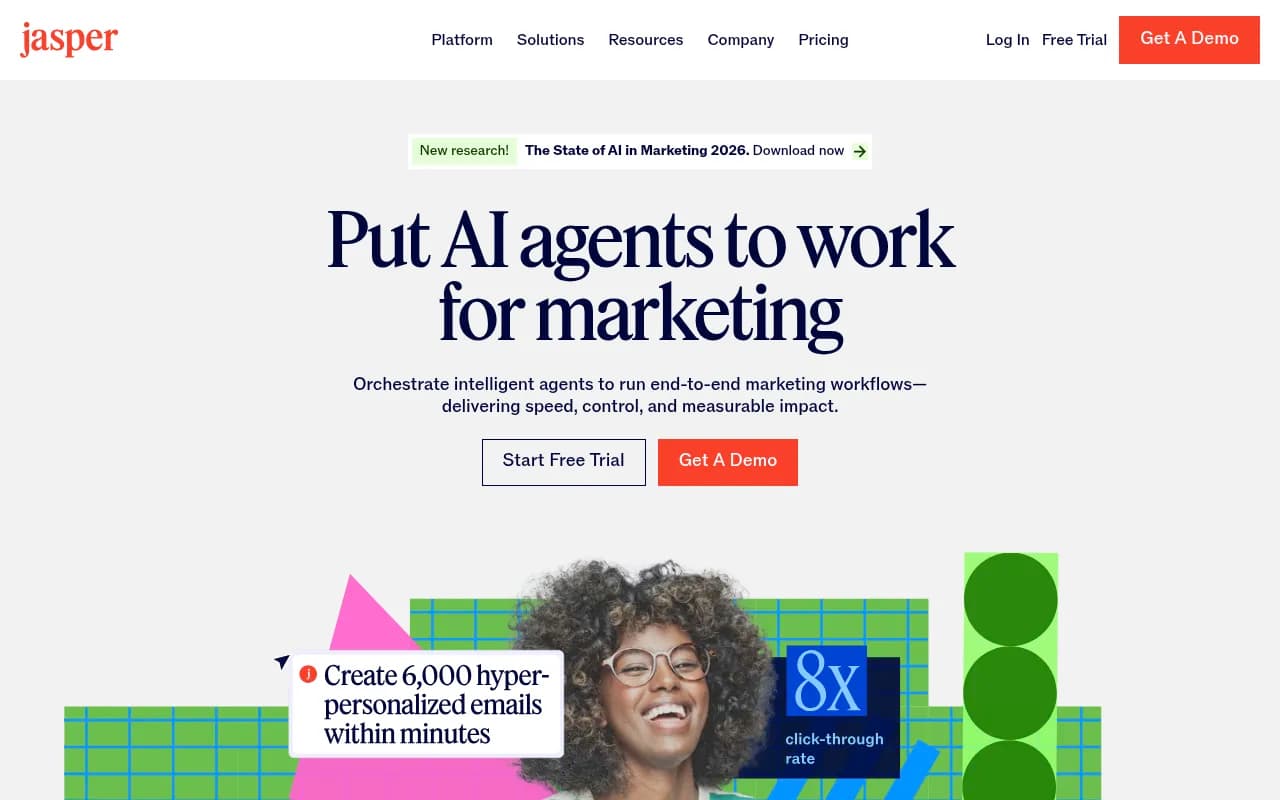
For AI content generation: If you're using AI to draft content (not just briefs), platforms like Jasper, Copy.ai, or Writesonic can consume your brief and generate first drafts.


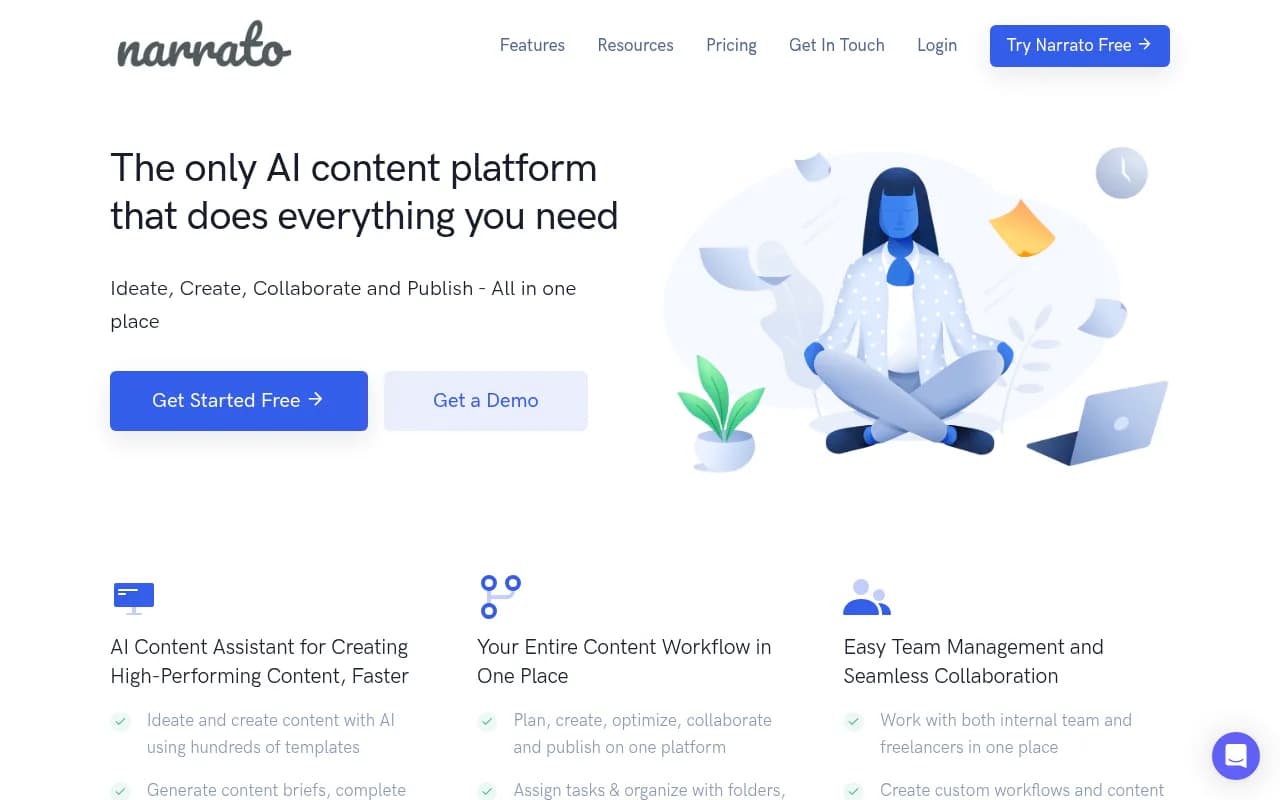
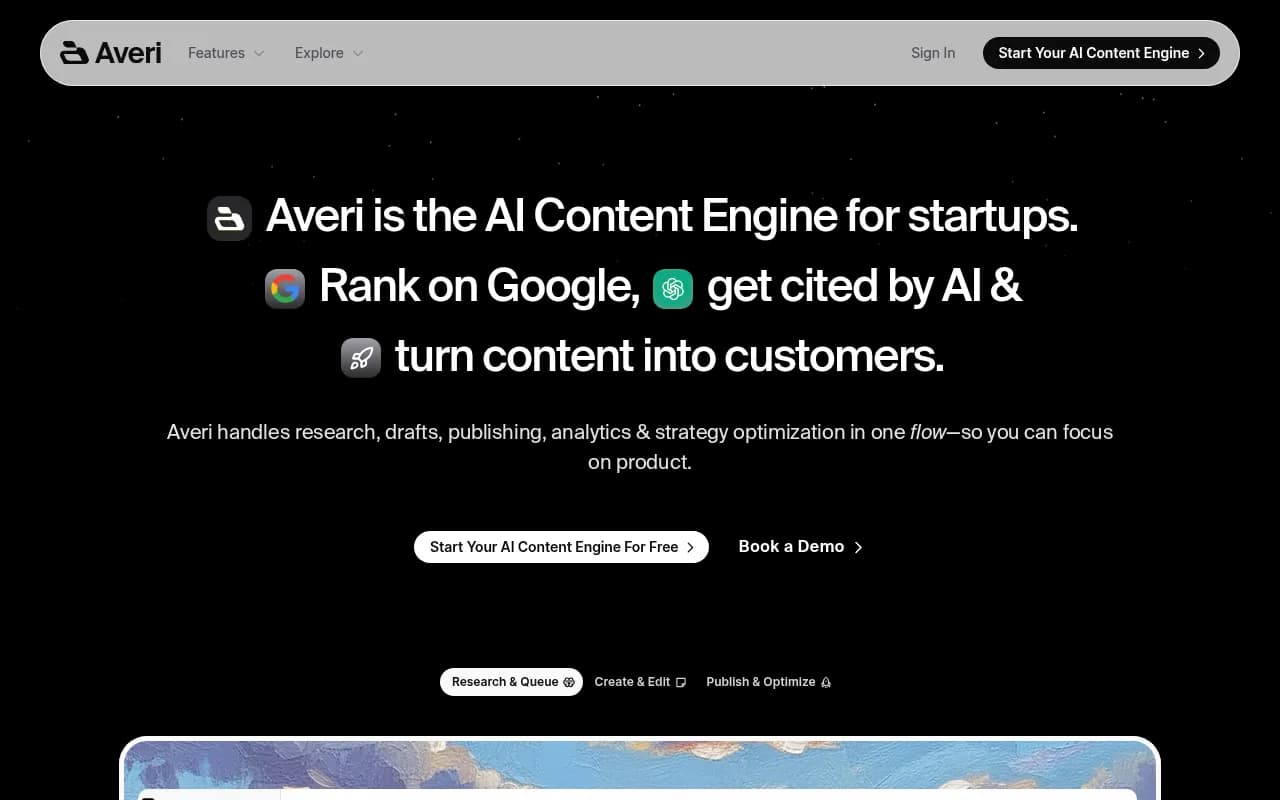
For content operations: Use Narrato AI or Averi AI to manage the full content workflow from brief to publication.
Advanced Automation: The Voice-to-Omnichannel Pipeline
Once you've mastered basic brief automation, level up with a voice-to-omnichannel system:
- Record a voice memo with your content idea (5 minutes)
- AI transcription converts speech to text (ElevenLabs, Speak)
- GPT-4 expands the idea into multiple content formats:
- Long-form blog post brief
- LinkedIn post series
- Twitter thread
- Newsletter section
- YouTube script outline
- Automation distributes briefs to the right channels and team members
This workflow turns a single idea into 5-10 pieces of content across platforms, all with research-backed briefs generated automatically.
Real-World Example: Scaling from 5 to 50 Briefs Per Month
Before automation:
- Content team: 2 strategists, 3 writers
- Brief creation: 4 hours per brief (manual research)
- Output: 5 briefs per month (80 hours of research labor)
- AI search visibility: No tracking, no optimization
After automation:
- Same team size
- Brief creation: 10 minutes per brief (automated)
- Output: 50 briefs per month (8 hours of setup + review)
- AI search visibility: Tracked daily, content optimized for citations
Results:
- 10x increase in brief production
- 72 hours saved per month (reallocated to strategy and optimization)
- 3x increase in content output
- 40% improvement in AI search visibility (more citations in ChatGPT, Perplexity)
- 25% increase in organic traffic (better-researched content ranks higher)
Tools and Platforms for Your Automation Stack
AI Search Visibility and Data
- Promptwatch: End-to-end platform with gap analysis, citation data, and content generation. The only tool that helps you find gaps AND fix them.
- Semrush: Traditional SEO platform with basic AI search tracking (fixed prompts, no gap analysis)
- Ahrefs: Strong for backlink data, limited AI search capabilities
Content Brief Generation
- Frase: AI-powered research and brief builder with SERP analysis
- MarketMuse: Content intelligence platform with topic modeling
- Clearscope: Content optimization with keyword recommendations
Workflow Automation
- Make: Visual automation for complex workflows
- Zapier: Simple integrations for basic automation
- n8n: Open-source alternative with code-level control
Content Databases
- Airtable: Powerful, flexible database with automation
- Notion: All-in-one workspace for content teams
- Contentful: Headless CMS for enterprise teams
AI Writing and Optimization
- GPT-4 via OpenAI API: Best-in-class for brief generation
- Claude: Strong alternative with longer context windows
- Jasper: Full content marketing platform with workflows
Common Mistakes to Avoid
1. Automating Without Real Data
Many teams automate brief generation using only traditional SEO data (Google keyword volume, SERP analysis). That's not enough in 2026. You need AI search data—what ChatGPT, Perplexity, and Claude are citing—to create briefs that rank in AI engines.
Solution: Use a platform like Promptwatch that provides citation data, not just keyword lists.
2. Over-Relying on AI for Strategy
GPT-4 is excellent at synthesizing data into briefs, but it can't replace strategic thinking. Automated briefs should be reviewed by a human strategist who understands your brand, audience, and competitive positioning.
Solution: Build review steps into your workflow. Use automation to eliminate research grunt work, not strategic decisions.
3. Ignoring Content Quality
Automation makes it easy to produce 50 briefs per month. But if your writers are churning out generic content from those briefs, you won't rank anywhere—not in Google, not in AI search.
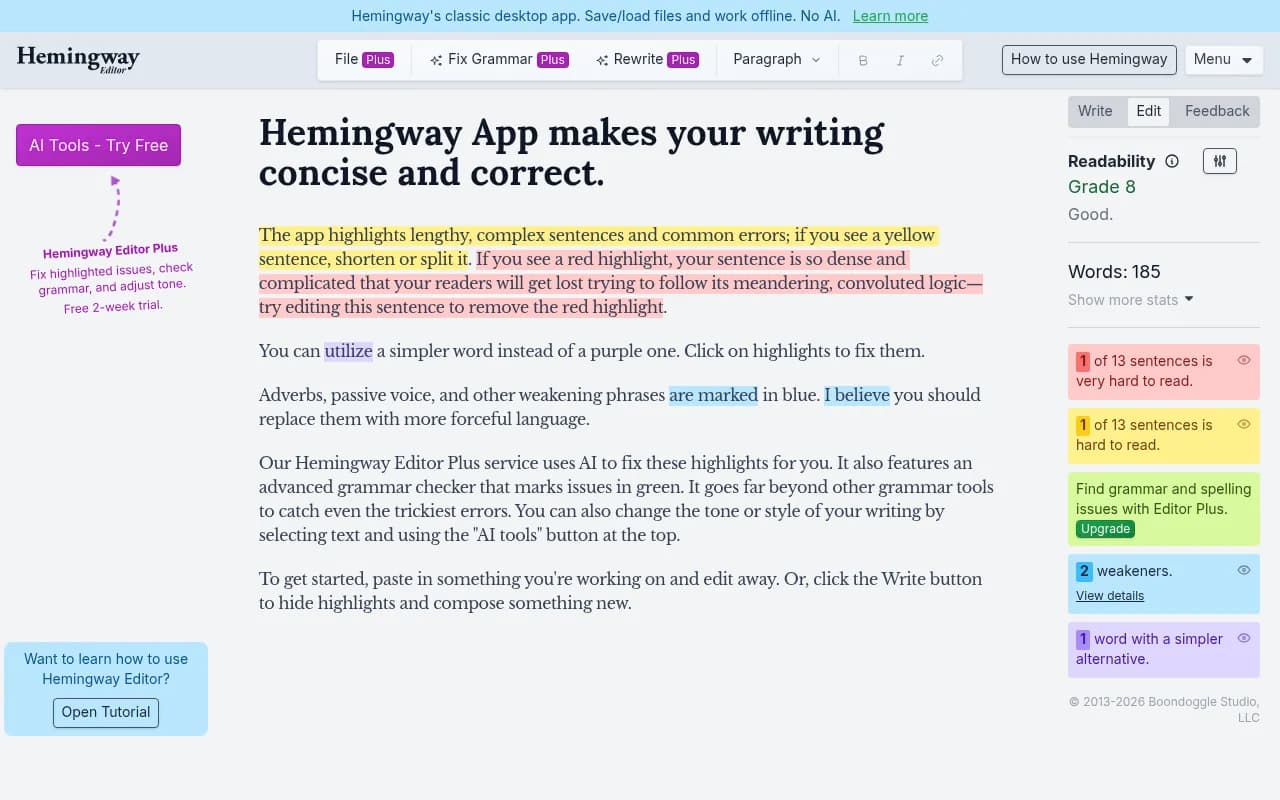
Solution: Pair automated briefs with quality control. Use tools like Grammarly, Hemingway, and Surfer SEO to ensure published content meets high standards.

4. Not Tracking Performance
You can't optimize what you don't measure. If you're generating briefs based on AI search data but not tracking whether your published content actually gets cited, you're flying blind.
Solution: Close the loop with visibility tracking. Promptwatch's page-level tracking shows exactly which articles are getting cited by AI models. Use that data to refine your brief generation process.
The Future: Agentic Workflows and Autonomous Content Systems
The next evolution is already here: autonomous AI agents that manage the entire content lifecycle.
Imagine this workflow:
- AI agent monitors your AI search visibility daily
- Identifies content gaps where competitors are cited but you're not
- Generates briefs automatically using GPT-4 and citation data
- Assigns briefs to writers based on expertise and availability
- Drafts content using AI writing tools (with human review)
- Optimizes for SEO and AI search using platforms like Surfer or Clearscope
- Publishes to your CMS and distributes across channels
- Tracks performance and feeds results back into the system
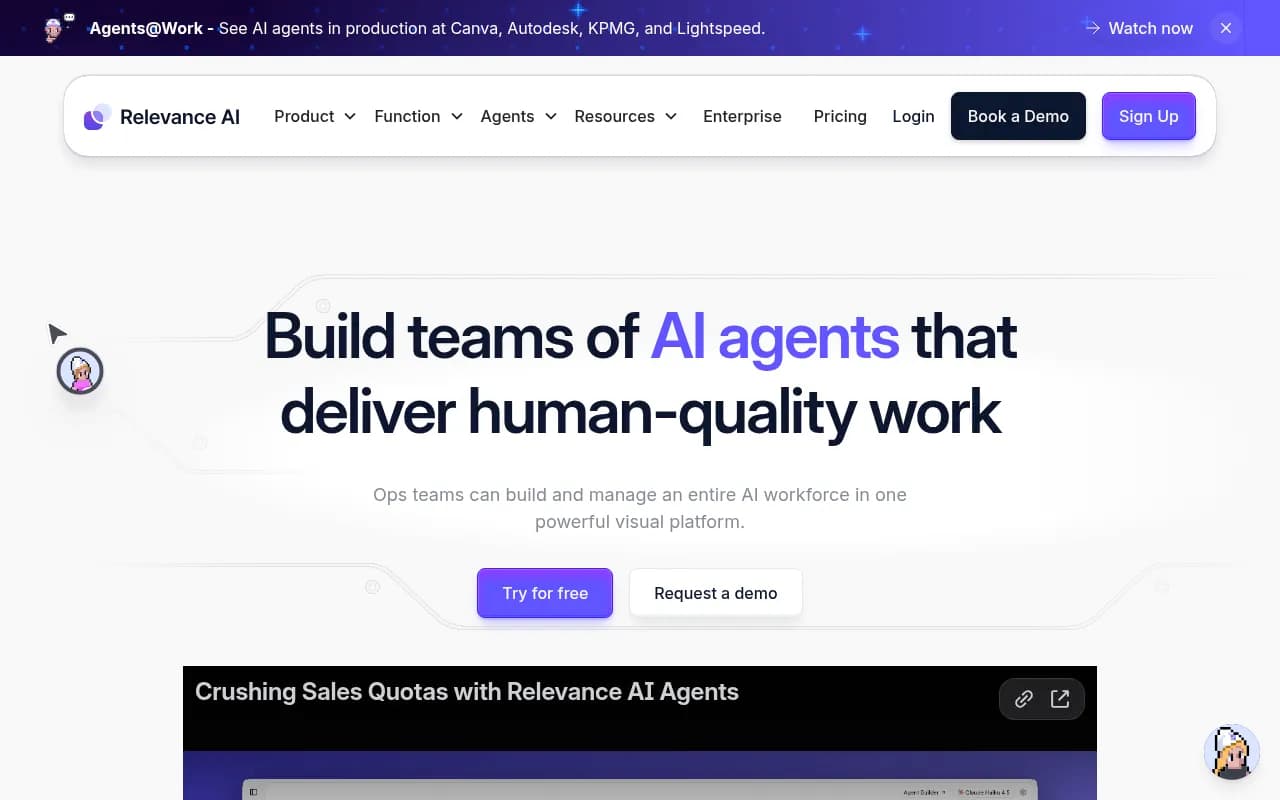
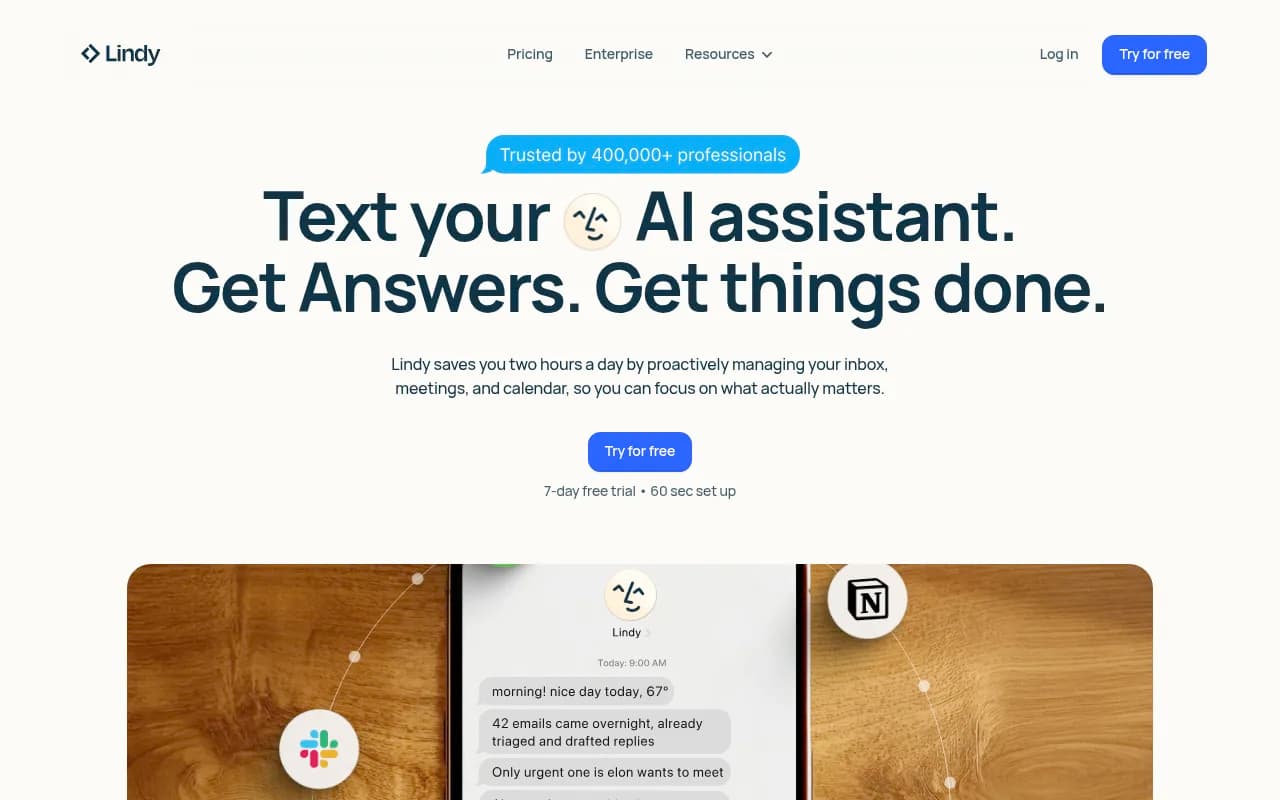
This isn't science fiction. Tools like Relevance AI, Lindy AI, and Jasper's AI agents are making this possible today.
The key is starting simple—automate brief generation first—then layer in more autonomous capabilities as your team gets comfortable with AI-driven workflows.
Getting Started: Your 30-Day Implementation Plan
Week 1: Set Up Your Data Sources
- Sign up for Promptwatch and add your website
- Define 50-100 prompts relevant to your industry
- Enable tracking across ChatGPT, Perplexity, Claude, Gemini
- Review the first week of data to identify content gaps
Week 2: Build Your Automation Workflow
- Create accounts on Make or Zapier
- Set up your content database (Airtable or Notion)
- Build the basic workflow: trigger → pull data → generate brief → save to database
- Test with 5-10 sample topics
Week 3: Refine Your GPT-4 Prompt
- Review the quality of generated briefs
- Adjust your prompt template to improve output
- Add brand voice guidelines and content standards
- Test different GPT-4 models (standard vs. turbo) for cost/quality tradeoffs
Week 4: Scale and Optimize
- Generate 20-30 briefs using your automated system
- Assign briefs to writers and track production
- Measure time saved vs. manual brief creation
- Identify bottlenecks and optimize the workflow
By the end of 30 days, you'll have a production-ready system that generates comprehensive, data-driven briefs in minutes.
Conclusion: From Manual Research to AI-Powered Content Machine
Automating content briefs using AI search API data and GPT-4 isn't just about saving time—it's about creating better content that ranks in both traditional search and AI engines.
The teams winning in 2026 have moved beyond manual prompting and one-off ChatGPT queries. They've built invisible AI workflows that turn content ideas into research-backed briefs automatically, then scale production without sacrificing quality.
The ROI is clear: 10+ hours saved per week, 3x content output, and measurably better AI search performance.
Start with the basics—connect your AI search data, build a simple workflow, and automate brief generation. Then layer in more sophisticated capabilities as your team gets comfortable with AI-driven content operations.
The content marketing landscape has changed. Manual research can't keep up. Automation isn't optional anymore—it's how you compete.