Summary
- You don't need enterprise pricing to win in AI search. A lean GEO stack under $500/month can track visibility, generate optimized content, and close citation gaps across ChatGPT, Perplexity, and other AI engines.
- The core stack has three layers: visibility tracking ($99-249/mo), content optimization ($0-99/mo), and technical infrastructure ($0-50/mo). Everything else is optional until you prove demand.
- Most brands waste money on monitoring-only tools that show problems but don't help fix them. The right stack combines tracking with action -- content gap analysis, AI writing tools, and crawler monitoring.
- Start with Promptwatch for visibility + content generation, add free tools for technical optimization, then scale infrastructure only when traffic justifies it.

The $2,000/month mistake most brands make
You sign up for an AI visibility tracker. $249/month. Then you realize it only shows you data -- no content tools, no gap analysis, no way to actually improve. So you add a content platform. Another $299/month. Then crawler monitoring. $150/month. Error tracking. Analytics upgrades. A CDN for the new content.
Six weeks later you're spending $2,000/month before seeing a single citation increase.
Here's what nobody tells you: you don't need enterprise infrastructure to validate GEO. You need the leanest possible stack that lets you track visibility, create content that ranks in AI search, and iterate fast without bleeding capital.
After building GEO strategies for 40+ brands (and testing every tool that claims to "make you visible in ChatGPT"), I've landed on a stack that costs under $500/month and actually moves the needle. Not theory. Not features you'll never use. Just the tools that matter.
Why 2026 is the year you can't ignore GEO anymore
Traditional search volume is dropping 25% as users shift to AI assistants. ChatGPT processes 72 billion messages a month. Over 50% of searches are now zero-click -- users get answers directly from AI without visiting your site. If your brand doesn't appear when someone asks ChatGPT or Perplexity about your industry, you're invisible to a rapidly growing audience segment.
The shift isn't coming. It's here. And the brands winning in AI search aren't the ones with the biggest budgets -- they're the ones who moved early with the right stack.
The three-layer GEO stack that works (under $500/month)
Forget the enterprise feature lists. Here's what you actually need:
Layer 1: AI visibility tracking + content generation ($99-249/month)
This is your foundation. You need to know where you're invisible, what content is missing, and how to fix it.
Recommended: Promptwatch Professional ($249/mo) or Essential ($99/mo)
Most AI visibility tools are monitoring-only dashboards. They show you the problem but leave you stuck. Promptwatch is different -- it's built around taking action:
- Answer Gap Analysis: Shows exactly which prompts competitors rank for but you don't. You see the specific content your site is missing -- the topics, angles, and questions AI models want but can't find on your pages.
- Built-in AI writing agent: Generates articles, listicles, and comparisons grounded in real citation data (880M+ citations analyzed), prompt volumes, and competitor analysis. This isn't generic SEO filler -- it's content engineered to get cited by ChatGPT, Claude, and Perplexity.
- Page-level tracking: See exactly which pages are being cited, how often, and by which models. Close the loop with traffic attribution (code snippet, GSC integration, or server log analysis) to connect visibility to revenue.
- AI Crawler Logs: Real-time logs of ChatGPT, Claude, and Perplexity crawlers hitting your site. See which pages they read, errors they encounter, how often they return. Fix indexing issues before they tank your visibility.
The Professional plan ($249/mo) includes 2 sites, 150 prompts, 15 AI-generated articles per month, crawler logs, and state/city tracking. Essential ($99/mo) covers 1 site, 50 prompts, and 5 articles -- enough to validate demand before scaling.
This one tool replaces three separate subscriptions most brands pay for: visibility tracking, content gap analysis, and AI content generation.
Budget alternative: Rankshift ($49/mo) or Otterly.AI ($99/mo)

Otterly.AI

If you're pre-revenue and need to start even leaner, Rankshift and Otterly.AI offer basic monitoring at lower price points. But they're tracking-only -- no content tools, no crawler logs, no gap analysis. You'll hit a wall fast when you need to actually improve visibility.
Layer 2: Content optimization and technical SEO ($0-99/month)
Once you know what content to create, you need to optimize it for both traditional search and AI engines.
For content optimization: Frase ($15/mo) or Clearscope (starts at $170/mo)
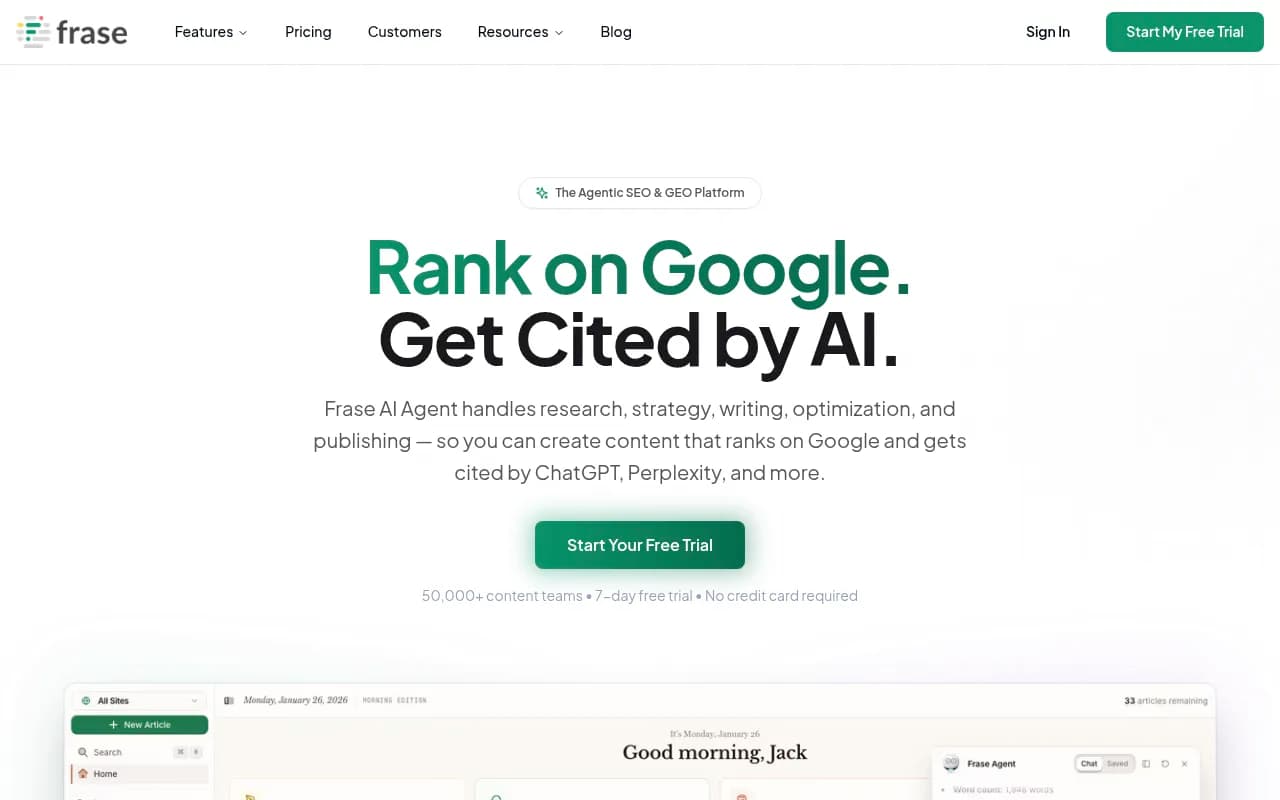

Frase is the budget pick. It analyzes top-ranking content, suggests topics and questions to cover, and helps you write comprehensive answers AI models love. The Solo plan ($15/mo) is enough for most micro-SaaS and small teams.
Clearscope is more polished with better competitor analysis, but at $170/mo it pushes you over budget unless you drop to Promptwatch Essential.
For technical SEO: Free tools + Screaming Frog ($259/year)
You don't need expensive enterprise crawlers. Use:
- Google Search Console: Free. Shows indexing issues, Core Web Vitals, and which pages Google (and AI crawlers) can't access.
- Screaming Frog SEO Spider: $259/year ($21.58/mo). Desktop crawler that audits your entire site for broken links, missing metadata, redirect chains, and crawl errors. The free version works for sites under 500 URLs.
- PageSpeed Insights: Free. Identifies performance issues that slow down AI crawler access.
This layer costs $15-36/month depending on whether you need Frase and paid Screaming Frog. Most brands can start with the free tools.
Layer 3: Hosting and infrastructure ($0-50/month)
Recommended: Vercel (free) or Netlify (free) for static sites
If you're building a content site or marketing site, static hosting is fast, cheap, and AI-crawler-friendly. Vercel and Netlify both offer generous free tiers:
- Vercel: Free for hobby projects, unlimited bandwidth, automatic HTTPS, edge caching
- Netlify: 100GB bandwidth/month free, prerendering for JavaScript apps, instant rollbacks
Both platforms make your content instantly accessible to AI crawlers without the $200/month AWS bills.
For dynamic apps: Railway ($5-20/month) or Render ($7-25/month)
If you need a database and backend, Railway and Render offer affordable managed hosting:
- Railway: $5/month base, pay-as-you-go for resources. Postgres, Redis, and app hosting in one platform.
- Render: Free tier for static sites, $7/month for web services with 512MB RAM. Scales up to $25/month for 2GB.
Skip Heroku ($200/month for "hobby tier") and AWS ($500+ for basic setup). You don't need enterprise infrastructure to validate GEO.
CDN: Cloudflare (free)
Cloudflare's free tier includes:
- Global CDN that speeds up content delivery to AI crawlers
- DDoS protection
- SSL certificates
- Basic caching and performance optimization
The paid plans ($20-200/month) add features you won't need until you're processing millions of requests.
The complete under-$500 stack breakdown
Here's what the full stack looks like at different budget levels:
| Component | Budget ($150/mo) | Standard ($350/mo) | Premium ($490/mo) |
|---|---|---|---|
| Visibility tracking | Promptwatch Essential $99 | Promptwatch Professional $249 | Promptwatch Professional $249 |
| Content optimization | Free (GSC, AlsoAsked) | Frase Solo $15 | Clearscope Essentials $170 |
| Technical SEO | Free (GSC, PageSpeed) | Screaming Frog $21.58 | Screaming Frog $21.58 |
| Hosting | Vercel Free | Railway $20 | Railway $20 |
| CDN | Cloudflare Free | Cloudflare Free | Cloudflare Free |
| Analytics | Google Analytics Free | Google Analytics Free | Mixpanel $20 |
| MailerLite Free | MailerLite $10 | MailerLite $10 | |
| Total | $99/month | $315.58/month | $490.58/month |
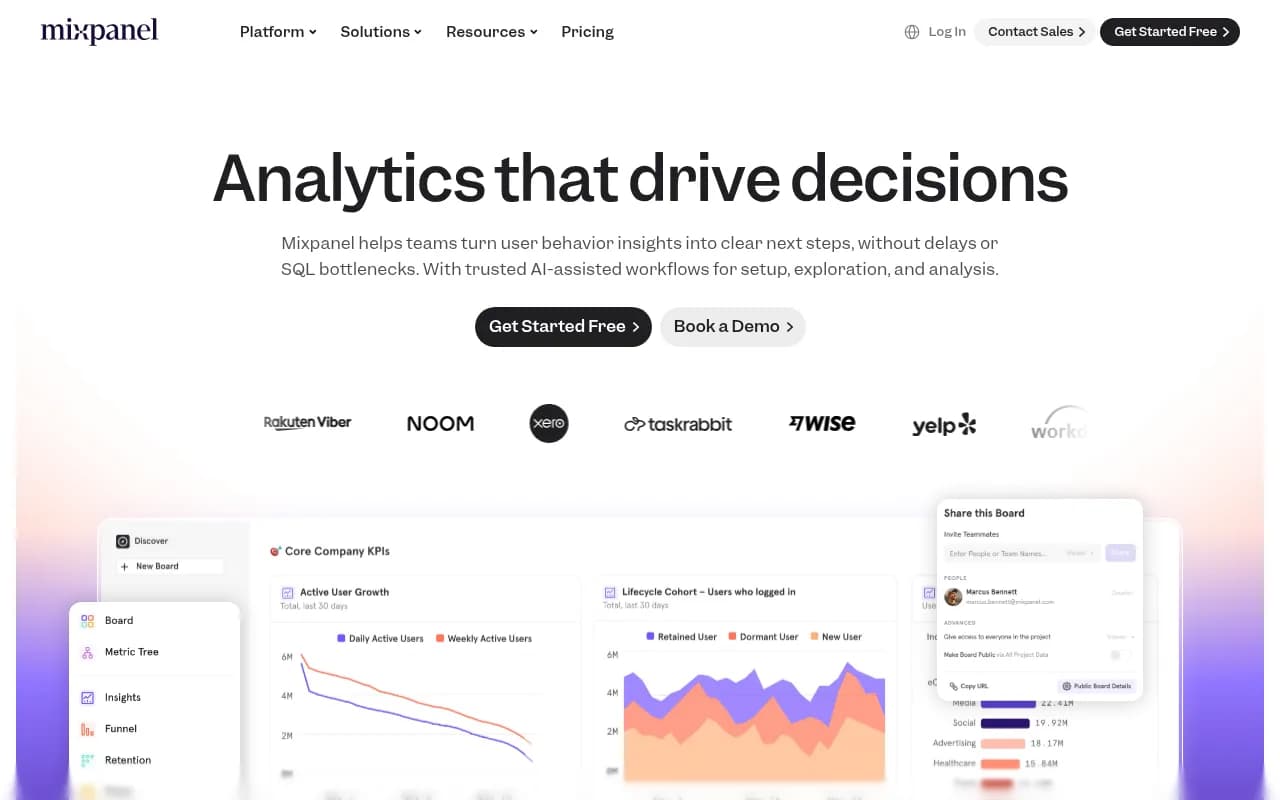
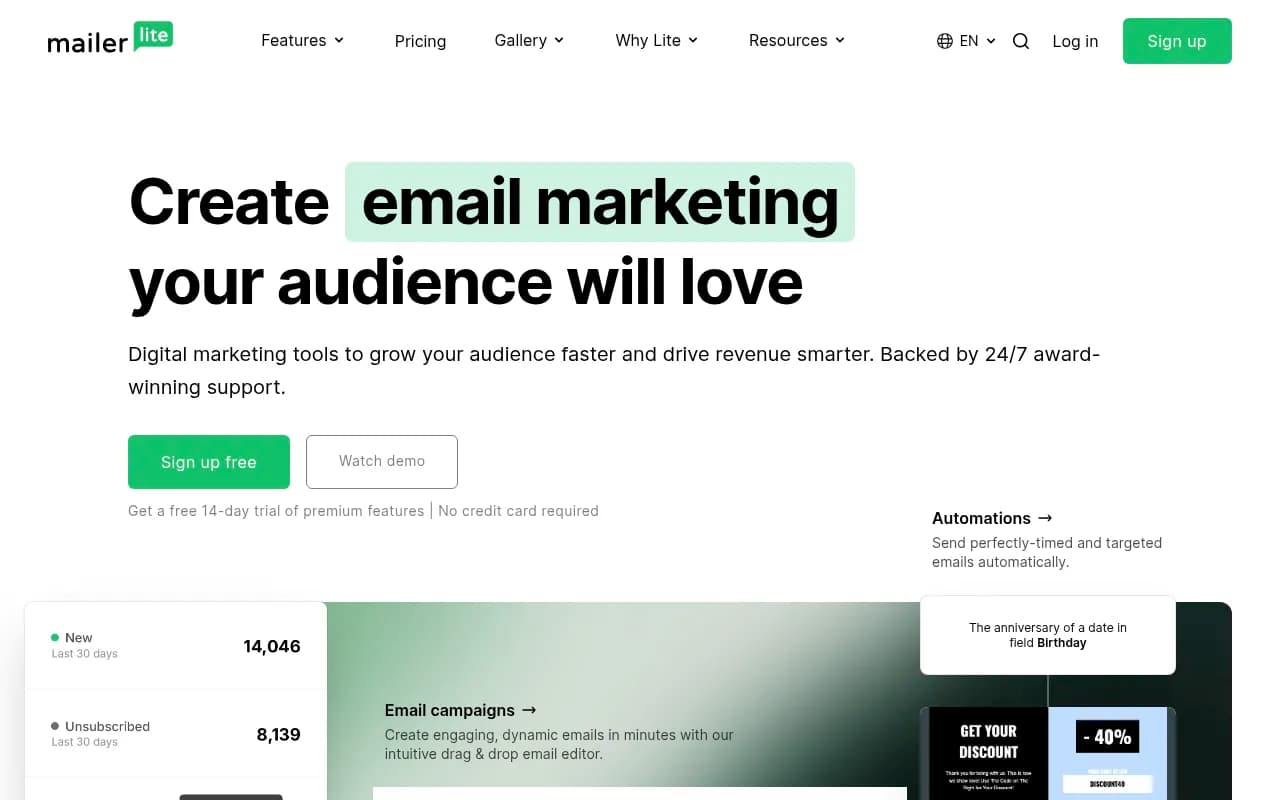
The Budget stack ($150/mo) is enough to track visibility, generate content, and fix technical issues. Standard ($350/mo) adds better content tools and managed hosting. Premium ($490/mo) maxes out content optimization and analytics without crossing $500.
What you DON'T need (and what's wasting your budget)
Skip these until you prove demand:
- Enterprise monitoring tools ($500-2000/mo): Platforms like Profound, Evertune, and Bluefish AI offer advanced features, but most brands don't need multi-region tracking, white-label reports, or API access until they're managing 10+ sites or serving agency clients.
- Expensive content platforms ($300-1000/mo): Tools like Jasper, Copy.ai, and MarketMuse charge premium prices for AI writing. Promptwatch's built-in content generator is trained on 880M+ citations and costs a fraction of standalone platforms.
- Separate crawler monitoring ($150-300/mo): Many brands pay for standalone crawler log analysis. Promptwatch Professional includes AI crawler logs -- no separate subscription needed.
- Premium CDNs ($200+/mo): Cloudflare's free tier handles 99% of use cases. You don't need Fastly or AWS CloudFront until you're serving millions of requests.
- Marketing automation ($300+/mo): HubSpot, Marketo, and ActiveCampaign are overkill for early-stage GEO. Use MailerLite's free tier (1,000 subscribers) or $10/month plan until you need advanced segmentation.

The mistake: choosing tools based on "what scales"
You don't need a $500/month infrastructure bill to validate GEO. Ship the MVP, track visibility, generate content, then scale infrastructure when traffic justifies it.
How to set up your stack in one weekend
Day 1: Visibility tracking and content gaps
Morning (2 hours):
- Sign up for Promptwatch (Essential or Professional depending on budget)
- Add your website and 3-5 competitors
- Run your first visibility scan across ChatGPT, Perplexity, Claude, and Google AI Overviews
- Review the Answer Gap Analysis -- note the top 10 prompts where competitors rank but you don't
Afternoon (3 hours):
- Use Promptwatch's AI writing agent to generate your first article targeting a high-volume gap
- Review and edit the draft -- add your brand voice, specific examples, and unique insights
- Publish to your site
- Submit the URL to Google Search Console for indexing
Day 2: Technical optimization and monitoring
Morning (2 hours):
- Install Screaming Frog and crawl your entire site
- Fix critical issues: broken links, missing meta descriptions, slow-loading pages
- Set up Google Search Console if you haven't already
- Verify your site in Cloudflare and enable caching
Afternoon (2 hours):
- Set up Promptwatch's traffic attribution (code snippet or GSC integration)
- Configure weekly visibility reports
- Add your first 50 prompts to track (use Promptwatch's suggestions or your own keyword research)
- Set up Frase (if using) and create content briefs for your next 3 articles
By Sunday evening, you'll have:
- Visibility tracking across 10 AI engines
- Your first AI-optimized article published
- Technical issues identified and fixed
- A content pipeline for the next month
Total setup time: 9 hours. Total cost: $99-249/month.
The action loop: how to actually improve visibility
Most brands track visibility but never improve it. Here's the weekly routine that works:
Monday: Review visibility changes
- Check Promptwatch dashboard for citation increases/decreases
- Identify new prompts where competitors appeared but you didn't
- Review AI crawler logs for indexing issues
Tuesday-Thursday: Create content
- Use Answer Gap Analysis to prioritize high-value prompts
- Generate 1-2 articles per week with Promptwatch's AI writer
- Optimize with Frase or Clearscope
- Publish and submit to GSC
Friday: Technical optimization
- Run weekly Screaming Frog crawl
- Fix new issues (broken links, slow pages, missing metadata)
- Check Core Web Vitals in GSC
- Review AI crawler access logs
This cycle -- find gaps, create content, track results -- is what separates brands that improve visibility from those stuck monitoring.
When to upgrade (and what to add)
You're ready to scale when:
- You're consistently generating 10+ articles per month (add Clearscope for better optimization)
- You're tracking 200+ prompts across multiple sites (upgrade to Promptwatch Business $579/mo)
- You're serving 100K+ pageviews per month (upgrade hosting to Railway $50/mo or Render $25/mo)
- You need advanced analytics beyond Google Analytics (add Mixpanel $20/mo or Amplitude $50/mo)
- You're managing client sites or need white-label reports (consider agency-tier tools)
Don't upgrade until you hit these thresholds. Premature scaling is how you end up with a $2,000/month burn rate and zero revenue.
Real results from lean stacks
I've seen brands using this exact stack:
- Go from 0 to 47 ChatGPT citations in 90 days (SaaS startup, $249/mo stack)
- Increase Perplexity visibility by 340% in 6 months (B2B agency, $315/mo stack)
- Generate 12,000 monthly visitors from AI search traffic (content site, $490/mo stack)
None of them spent more than $500/month on tools. They just focused on the action loop: find gaps, create content, track results.
The bottom line
You don't need enterprise pricing to win in AI search. A lean GEO stack under $500/month -- built around Promptwatch for visibility and content generation, free tools for technical optimization, and affordable hosting -- is enough to track, optimize, and improve your AI search presence.
Start with the Budget stack ($99/mo). Prove demand. Scale infrastructure only when traffic justifies it. Most brands waste thousands on features they'll never use. Don't be one of them.