Key takeaways
- Agency needs are different from single-brand needs. Check seat limits, client or workspace caps, white-label depth, and cost per response before you look at features.
- White-label is not one thing. Some tools brand only the PDF, some brand the live dashboard, and some still put the vendor's name on scheduled emails.
- Most vendor listicles rank the vendor first. Treat their rankings as marketing and test two or three tools on a real client.
- AI crawler access is a client-by-client problem. A client who gets cited nowhere may simply be blocked, and you will only see that in crawler logs.
- Pick tools by job: research, tracking, content, and reporting. One tool rarely covers all four well.
Why agencies need different criteria
Most AI search tool reviews are written for a single brand. You have one domain, one set of competitors, one report. An agency has fifteen clients, three account managers, and a partner who wants to see a branded PDF by Friday.
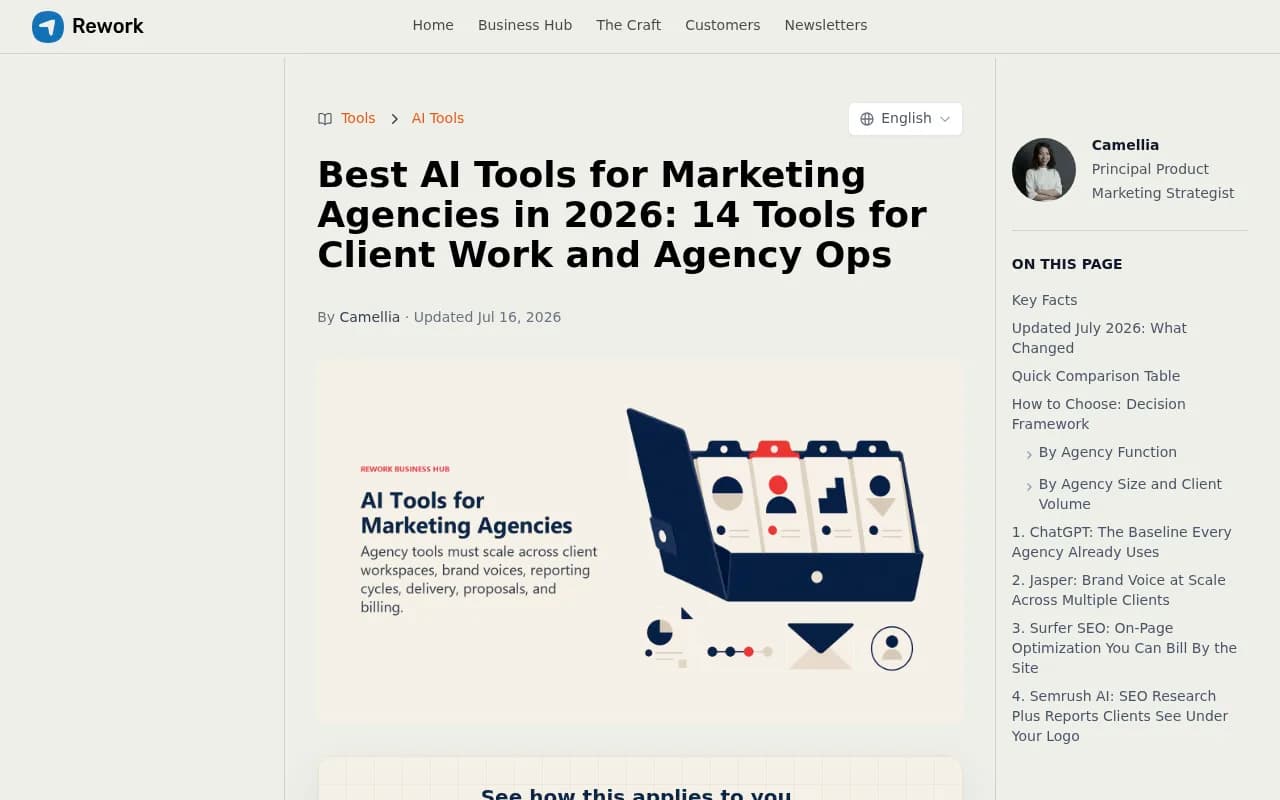
That changes what matters. The Rework agency tools roundup evaluates each product on how it handles multiple clients at once, meaning seat limits, brand or workspace caps, and white-label options, rather than raw single-brand capability. That is the right lens. A tool with excellent data but a cap of three brands is useless to you at client number four.
Here are the questions I would ask before any demo:
- How many client projects or brands are included, and what does the next tier cost?
- How many seats, and can clients be added as read-only viewers?
- Does white-label cover the PDF, the live dashboard, and scheduled emails, or only one of them?
- Which AI engines are tracked through the real interface versus an API?
- Can you pitch a prospect without burning a paid client slot?
- Is there an API or connector so reporting can flow into your existing stack?
The four jobs an agency needs AI search tools to do
It helps to split the stack by job, because the products that are best at each are not the same.
Client research and pitching
Before a client signs, you want to know how ChatGPT, Gemini, and Perplexity talk about them, who gets recommended instead, and which sources the models lean on. A quick branded scan is a strong sales tool. Some platforms now include pitch environments or prospect scanners for exactly this, so you can run a check live on a call.
Vertical context matters here too. Promptwatch Data publishes industry citation reports, and the patterns differ a lot. In Promptwatch's travel data (Sep 28 to Oct 4, 2026), booking and search sites earn more than half of ChatGPT citations. In the healthcare report (Sep 9 to Oct 8, 2026), government and public health sites earn almost half. And in the software report, documentation and help centers take the largest share. If you pitch a healthcare client on a Reddit strategy, you are going to look silly.
Ongoing tracking
This is prompt monitoring: a set of prompts run daily, with visibility, position, share of voice, and sentiment per client. Engine behavior varies enough that you should track each one separately. According to Promptwatch's average sources per response data, ChatGPT cites about 5 sources per web-search answer, while Google AI Overviews and Perplexity each cite about 10. Perplexity's count barely moves day to day, which makes it a stable test bench, whereas Copilot swung from under 2 to nearly 17 sources within a few weeks. Judge Copilot on monthly trends, not weekly snapshots.
Content and optimization
Tracking tells a client they are invisible. It does not fix it. Agencies that only report numbers end up in uncomfortable review meetings. You need something that turns gaps into briefs, drafts, and published pages, whether that is a dedicated GEO platform or a content tool like Surfer or Frase feeding your existing process.
Reporting
Reporting is where white-label lives. Clients want one clean document or dashboard with your logo on it, scheduled so nobody has to remember to send it.
Tools by category
AI visibility and GEO platforms
This is the category agencies are most confused by, because there are dozens of options and most vendor comparison pages rank the vendor first. Profound's own list names Profound the best, for example. Take that with salt.
For an end-to-end option, Promptwatch is the one 1001 SEO Media uses for its own client work. It tracks the real interfaces of ChatGPT, Google AI Overviews, AI Mode, Gemini, Perplexity, Copilot, and others, then goes past monitoring into IP-verified crawler logs, visitor analytics for AI-referred traffic, content gap analysis, and a Content Agent that can publish to WordPress, Webflow, or Framer. Its agency plans run from Kick-off at $199/month to Scale at $799/month, with unlimited projects and prompts, 10 seats, white-label PDF reports, and branded read-only client access. Agency plans do not include the Content Agent or AEO articles, so check promptwatch.com/pricing against what you need.

Profound is the best-known enterprise competitor, with an agency mode that includes brand configurations and pitch environments.
Profound

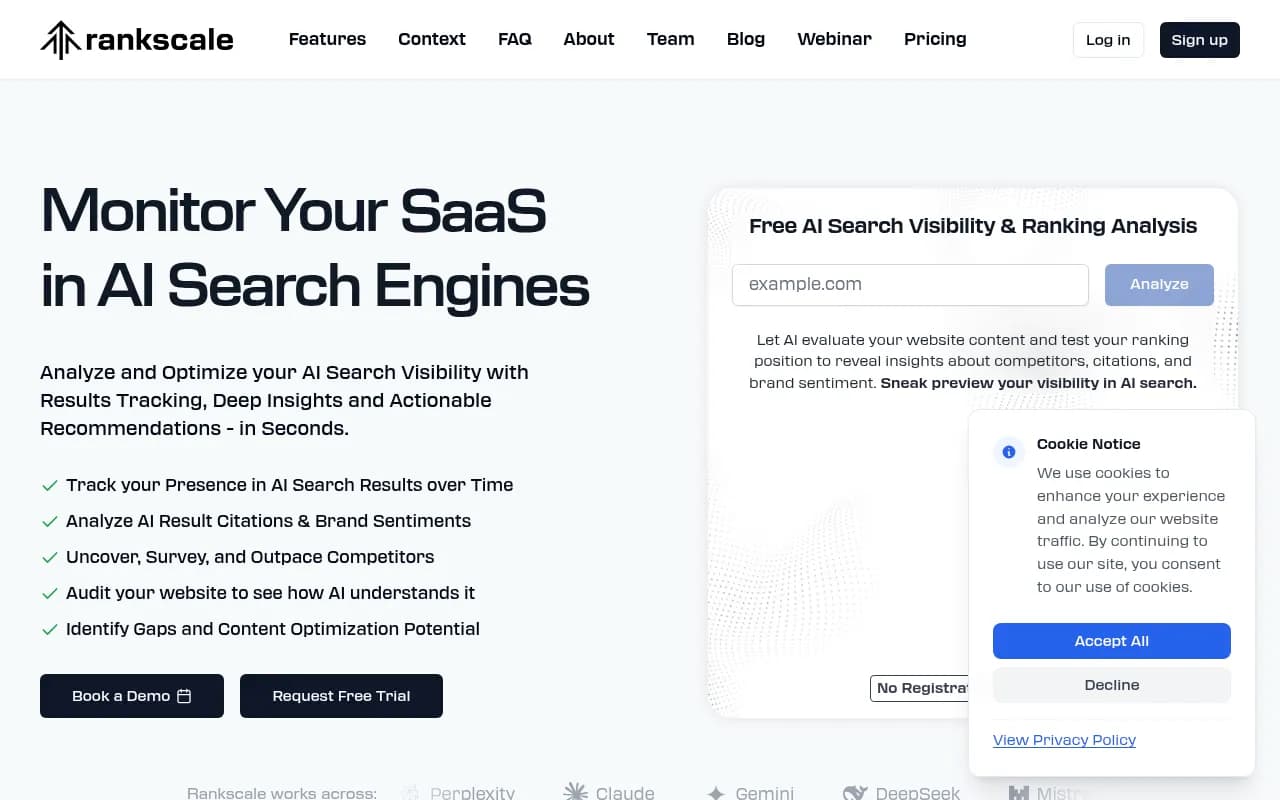
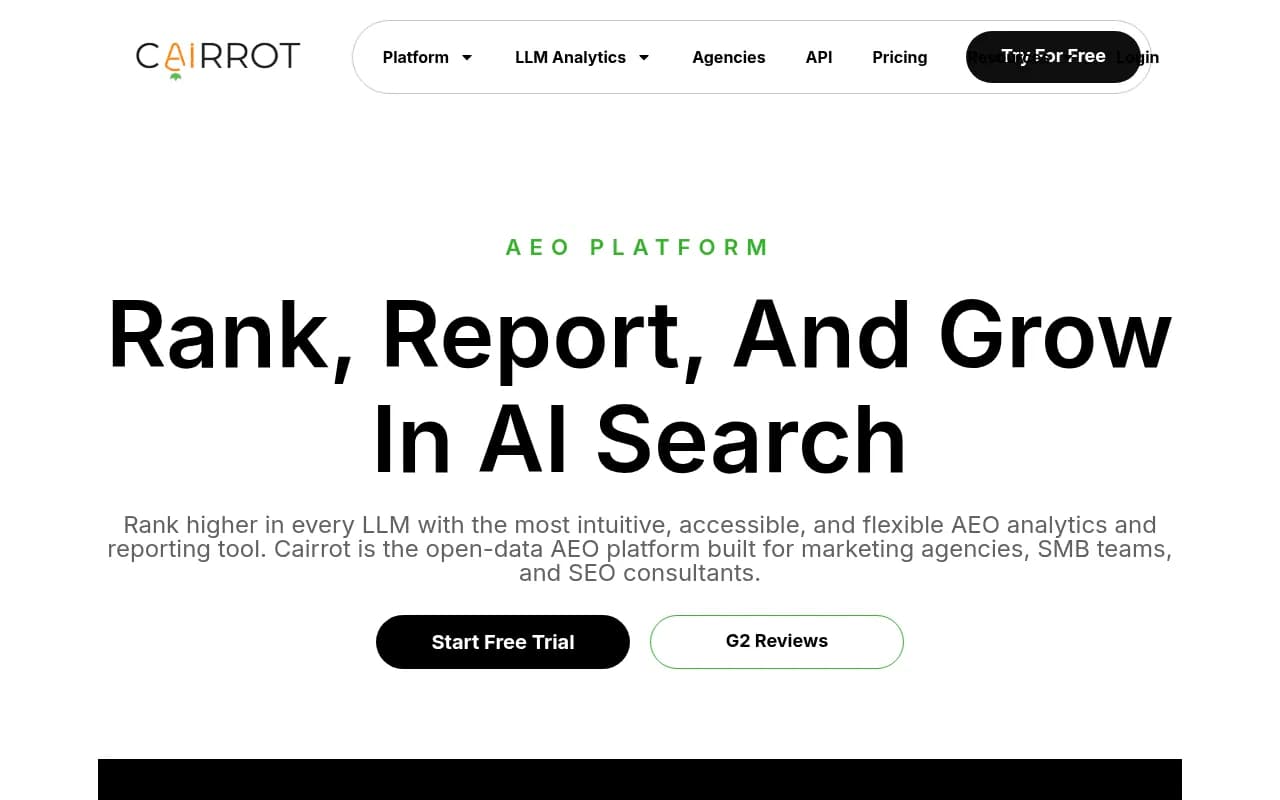
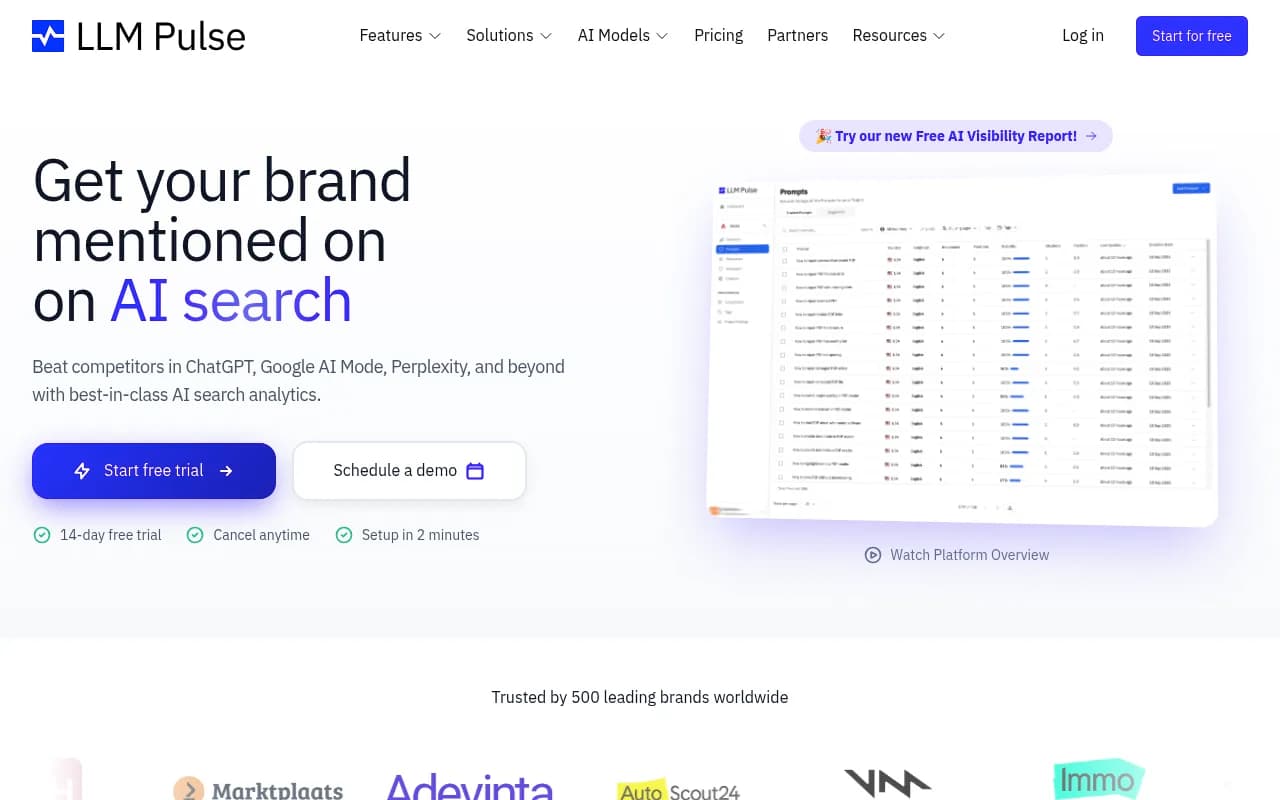
Rankscale and Cairrot position themselves specifically at agencies, and LLM Pulse appeared at the top of one independent white-label list for dedicated AI visibility.
Otterly.AI and Peec AI are lighter prompt trackers. They are fine when the brief is "show me mentions" and the budget is tight, but expect to bolt on crawler analytics and content tools separately.
Otterly.AI


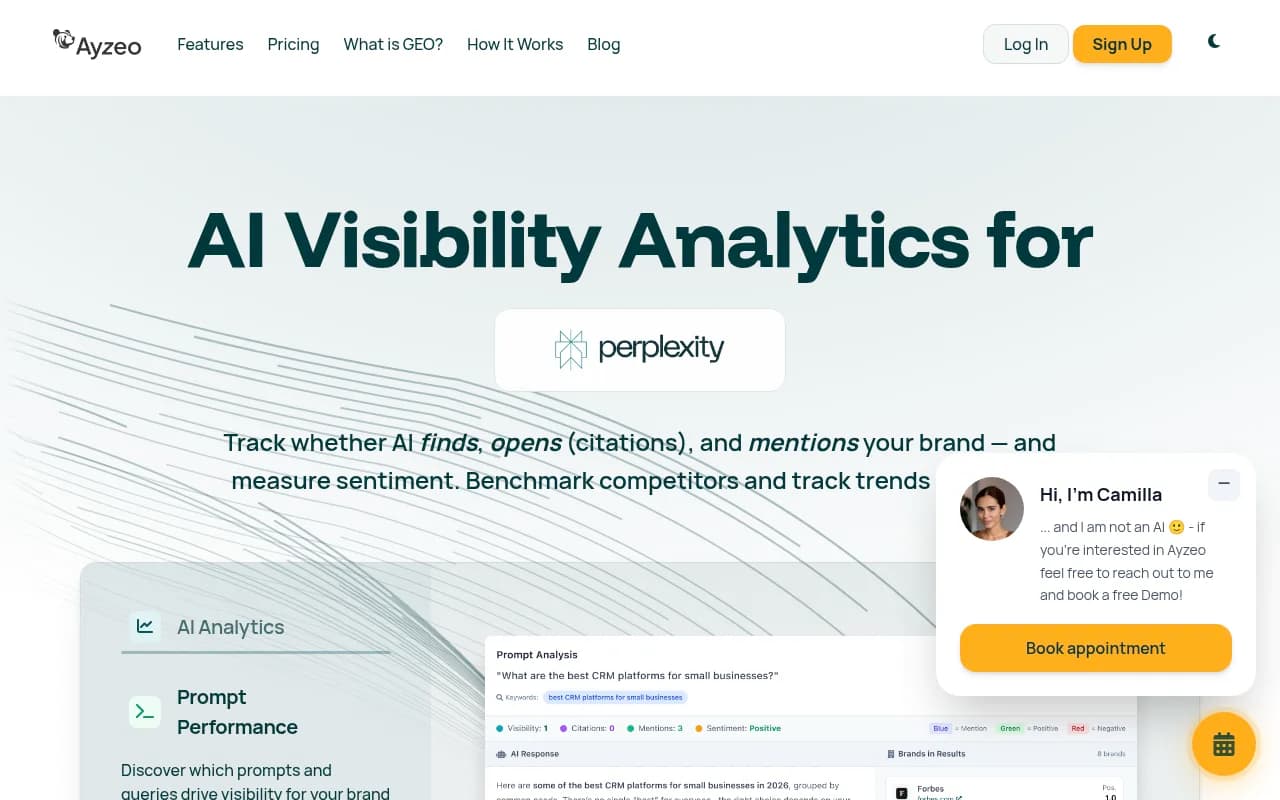
Ayzeo is worth a look if white-label depth is your main concern. Its own materials say white-label PDF and Word reports are included in the $149/month Pro plan, and dashboard branding puts your logo on the live client dashboard. One caveat from the same source: scheduled report emails retain Ayzeo attribution, even on Enterprise. I have not verified those details independently, so confirm them in a trial.
Traditional SEO suites with AI search bolted on
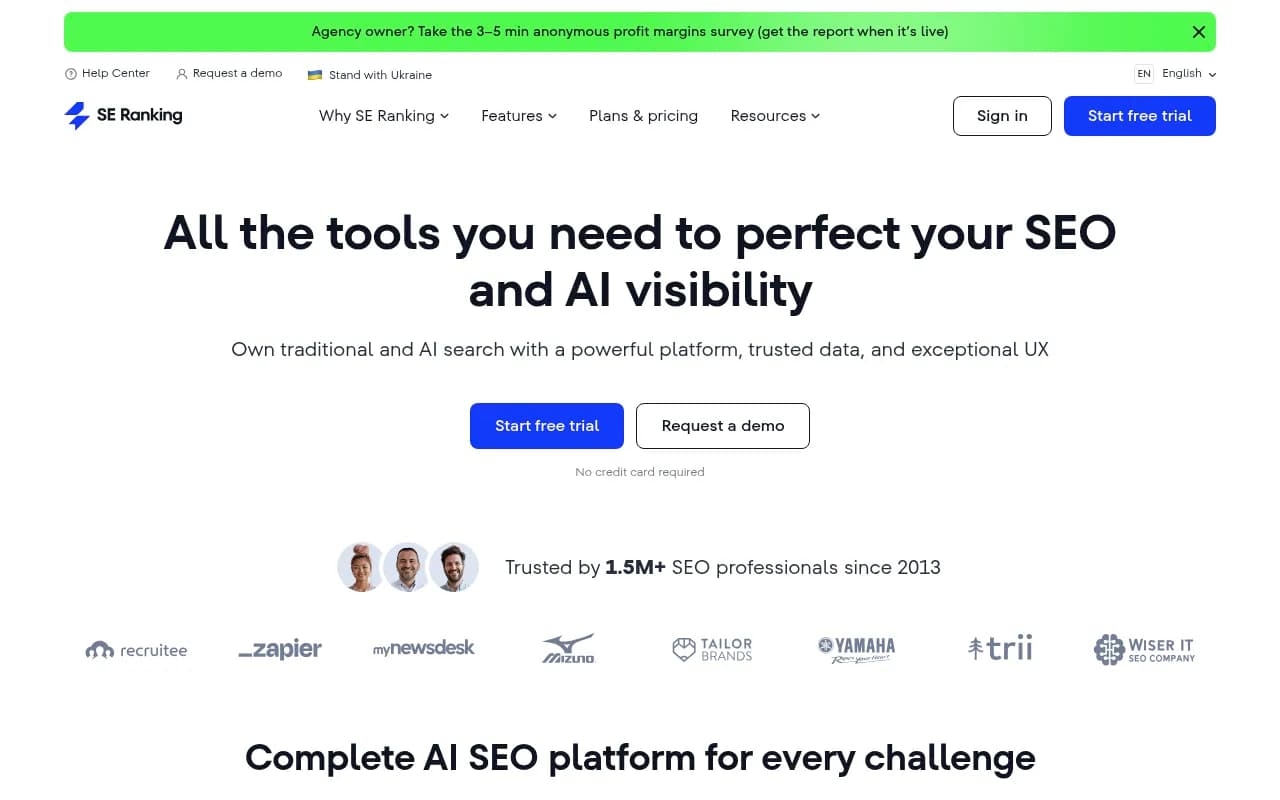
If your clients are already in Semrush or SE Ranking, adding AI visibility from the same vendor keeps billing and logins simple. TechDigital Labs describes SE Ranking as a good fit for teams that don't want to separate traditional SEO from AI visibility work, with agency options that support white-label workflows. The tradeoff is depth: these suites usually offer fixed prompt sets and thinner AI-specific data than a dedicated platform.
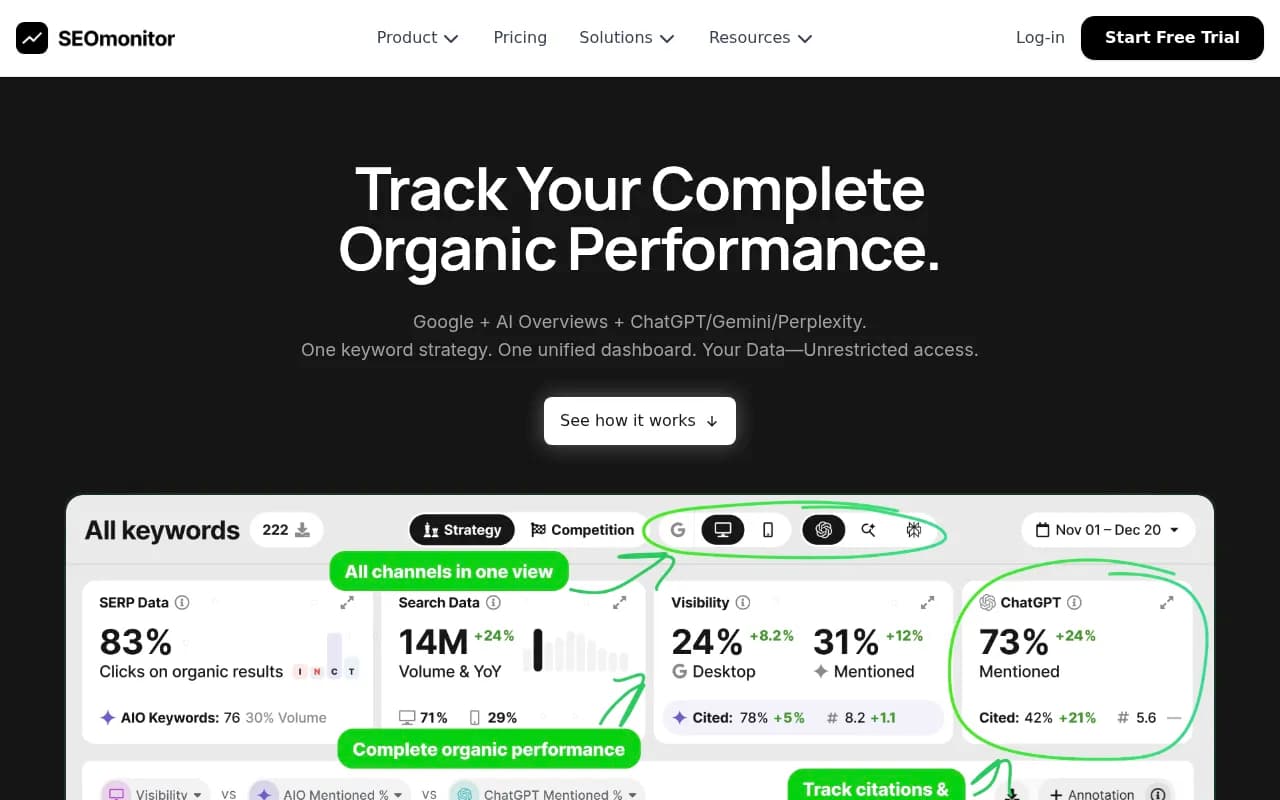
SEOmonitor and AccuRanker are rank trackers built for agencies, useful when classic rankings still drive most of the client conversation.
Reporting-first tools
AgencyAnalytics comes up repeatedly in the roundups as the pick for white-label dashboards and scheduled reports. One 2026 review puts reporting, SEO, and PPC platforms such as AgencyAnalytics, Semrush, and Optmyzr at roughly $60 to $250 per month, scaling with clients or seats. Treat that as a ballpark. Whatagraph and Improvado cover similar ground, and Looker Studio connectors are the cheap route if you have someone who likes building templates.
The Two Minute Reports guide covers white-label tools across reporting, SEO, social, email, and CRM, and is a decent starting list if you are rebuilding the whole agency stack rather than just the AI search piece.
Content tools
Once you know the gaps, you need to fill them. Surfer SEO, Frase, Clearscope, and MarketMuse help writers match what already earns citations and rankings. Jasper and Writesonic are better for volume. None of them know what AI engines cite for a given client, so pair them with a tracking tool that does.
Local and multi-location
For local clients, BrightLocal, Synup, and Whitespark handle listings and local rank tracking, and BrightLocal is called out as the best pick for local SEO agencies in the TechDigital Labs comparison.
Comparison table
| Tool | Category | White-label | Best for |
|---|---|---|---|
| Promptwatch | GEO platform | White-label PDF reports, branded client access | End-to-end: tracking, crawler logs, content |
| Profound | GEO platform | Agency mode with pitch environments | Enterprise clients |
| Ayzeo | GEO platform | PDF, DOCX, dashboard branding | Budget white-label |
| Rankscale | AI tracker | Agency-focused | Simple agency tracking |
| SE Ranking | SEO suite | Agency white-label workflows | SEO plus AI in one tool |
| Semrush | SEO suite | Reporting options | Larger SEO teams |
| AgencyAnalytics | Reporting | White-label dashboards | Client reporting |
| BrightLocal | Local SEO | Agency reports | Local clients |
What white-label actually means
This is where agencies get burned. The Two Minute Reports guide opens with a scenario every account manager recognizes: the first report goes out, and a competitor's logo is in the corner, or the dashboard URL carries someone else's name, or the automated email comes from a platform the client has never heard of. No drama, just a slow erosion of trust.
Check these layers separately:
- PDF and slide exports: logo, colors, cover page, footer text
- Live dashboard: custom logo, accent color, and ideally a custom domain
- Scheduled emails: sender name and attribution
- Client access: read-only viewer roles so clients can log in without seeing other clients
- Data exports: whether CSV and API output carries the vendor's branding
Ask for a test account and send yourself the scheduled email. It takes ten minutes and saves a bad conversation later.
Technical research clients forget to ask for
Visibility problems are often access problems. Promptwatch's AI crawler traffic report (IP-verified requests, June 8 to September 6, 2026) shows OpenAI at 79.8% of verified AI crawler requests in the week of Aug 31 to Sep 6, down from 94.8% in the week of June 8. The mix is shifting, which means a robots.txt or WAF rule that was fine in June may now be blocking a meaningful share of traffic.
The report's practical advice is a good agency checklist: check robots.txt, CDN, and WAF rules for every provider, then compare each client's own crawler logs against the overall mix. If a provider is a big share overall but near zero in a client's logs, that client is probably blocked or unreachable for that provider. This is a ten-minute check that often explains months of flat visibility. Tools with crawler log support, including Promptwatch and a few lighter options like Scriptbee, make it routine rather than a one-off audit.
A rollout plan for the first 30 days
- Pick two or three candidates and test them on one real client, not a demo brand.
- Build a prompt set of 30 to 50 queries covering organic, brand, and competitor comparison prompts.
- Send yourself the white-label PDF and the scheduled email. Look for leaked branding.
- Run a crawler access check on the client's site.
- Do one cycle of gap analysis, publish a few pieces, and see whether the tool tells you what happened.
- Price it at 15 clients, not one. Per-response cost and seat caps bite at scale.
If you want a wider view of the market, the GEO software directory at bestgeosoftware.com lists far more options than any single roundup, and ai-rank-tools.com focuses on rank trackers.
Build, buy, or hire
Some agencies have the in-house skills to run this themselves. Others would rather partner. 1001 SEO Media works with brands on AI search and GEO, and agencies sometimes bring in specialists for audits or for clients that need senior help without a long retainer. Either way, the tooling decisions above are the same.
Final take
The best stack is usually two layers: a dedicated AI visibility platform that covers tracking, crawler data, and content actions, plus whatever reporting tool your clients already like. Be skeptical of any list that ranks its publisher first, check the white-label layers one by one, and run your trial on a client who will tell you honestly whether the report is useful.