Key takeaways
- Start with the jobs your team does every week, then pick tools. Most stacks fail because tools were bought before the workflow was written down.
- AI search adds four jobs that did not exist in a classic SEO stack: tracking brand mentions in AI answers, reading AI crawler activity, measuring AI-referred traffic, and optimizing content for citation.
- Product pages and landing pages are the most cited content types in ChatGPT, so your CMS and content tools matter as much as your tracker.
- A bigger stack is not a better stack. Knock's team wrote that at least half of its vendors changed in a year, and that fewer, better-connected tools win.
- Twelve jobs, one tool each, is a workable ceiling for most teams. Pricing changes often, so confirm current plans on each vendor's site.
Why organize by job instead of by tool
Most "best AI tools" lists are alphabetical piles. They tell you what exists, not what to buy first. Enterprise DNA makes the same point in its 2026 roundup: the tool was never the bottleneck, the workflow was. I agree, and I would go a step further. If you can't say which job a tool does, you don't need it.
The stack below has 12 jobs. Some are classic marketing work, some are new because AI search changed how buyers find brands. For each one I name a default pick from our catalog and a couple of alternatives. I haven't tested every tool here side by side, so treat the picks as starting points and check pricing before you commit.
How AI search changed the stack
Two data points explain why the stack looks different now. According to Promptwatch Data on ChatGPT citations by content type (Sep 28 to Oct 4, 2026), product pages are 22.4% of ChatGPT citations and landing pages 16.8%, ahead of listicles at 13.6%. And per Promptwatch's social citation report for the same week, social platforms were only 0.46% of ChatGPT citations but 12.2% of Google AI Overviews citations.
So the surface you optimize is your own site first, and the right channel mix depends on which AI engine your buyers use.
The 12 jobs at a glance
| # | Job to be done | Default pick | Alternatives |
|---|---|---|---|
| 1 | General drafting and thinking | Claude | ChatGPT |
| 2 | Audience and market research | Perplexity-style sourced research, AnswerThePublic | GummySearch, SurveyMonkey |
| 3 | Keyword and topic discovery | Ahrefs | Semrush, Google Keyword Planner |
| 4 | Content briefs and on-page optimization | Surfer SEO | Clearscope, MarketMuse |
| 5 | AI visibility tracking and optimization | Promptwatch | Profound, Otterly.AI |
| 6 | Technical audits and crawlability | Screaming Frog | Sitebulb |
| 7 | AI crawler and agent analytics | Promptwatch | Siteline AI |
| 8 | Web and AI traffic analytics | Google Analytics | Matomo |
| 9 | Search performance data | Google Search Console | Bing Webmaster Tools |
| 10 | Email and lifecycle | HubSpot Marketing Hub | Mailchimp, Brevo |
| 11 | Social scheduling and distribution | Buffer | Hootsuite, Sprout Social |
| 12 | Workflow automation | Zapier | Make, n8n |
The rest of this guide walks through each job.
Research and planning (jobs 1 to 3)
Job 1: general drafting and thinking
Every team needs one general assistant for outlines, rewrites, call summaries, and brand-voice drafts. Claude tends to be the pick for nuanced long-form copy, and both Knock and Storyflow's lists name it for exactly that. ChatGPT is the other default.
My opinion: pick one and standardize. Teams that let everyone choose their own assistant end up with five voices and no shared prompts.
Job 2: audience and market research
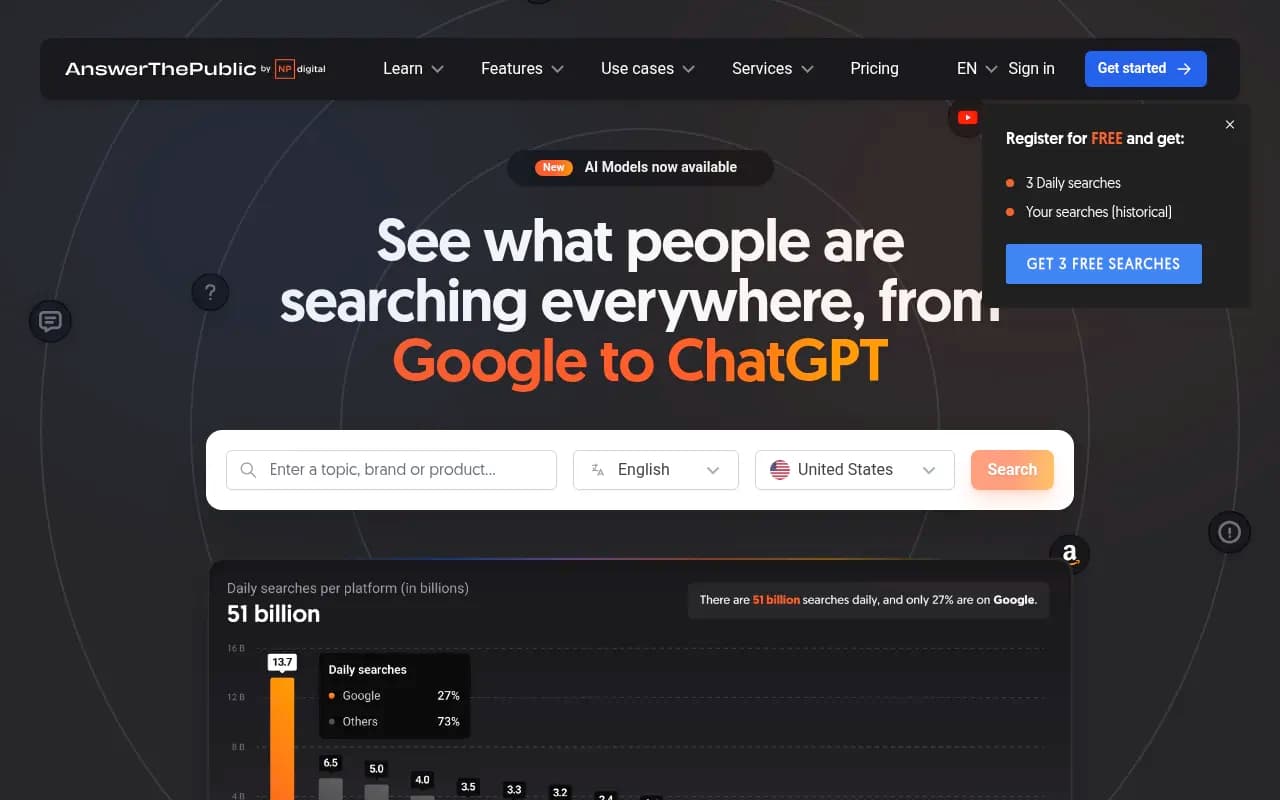
This is the job that prevents bad campaigns. You want real questions from real people, not a model's guess about them. AnswerThePublic and QuestionDB surface the questions people type into search. GummySearch is useful for Reddit audience pain points. For structured feedback, SurveyMonkey still works.
One caution. Reddit is a great research source but a weak AI citation channel right now. Promptwatch's data on Reddit citations in ChatGPT shows reddit.com falling from roughly 4% to 0.5% of ChatGPT citations on August 14, 2026. Mine Reddit for insight, but don't count on threads to get you cited.
Job 3: keyword and topic discovery
Classic keyword research is still the base layer, because AI answers are built from web searches. Ahrefs and Semrush cover this and have both added AI search tracking. Google Keyword Planner is free if budget is tight.
For AI-specific prompt research (which questions get asked, how hard they are to win, which web searches the model runs behind the scenes), you need something built for it. That is covered under job 5.
Content and optimization (jobs 4 and 5)
Job 4: briefs and on-page optimization
This is the job Surfer SEO, Clearscope, and MarketMuse have done for years. They score a draft against what already ranks and tell you which terms and headings are missing.

They remain useful, with one limit. They optimize against Google's top results, not against what an AI model cites. Use them for structure and coverage, then check the result against your AI visibility data.
If you want a writer rather than an optimizer, Jasper and Writesonic sit in this slot, and Frase combines research with drafting.
Job 5: AI visibility tracking and optimization
This is the core new job. You need to know which prompts mention you, where you sit in the answer, who gets cited instead, and what to do about it.
There is a real split in this category. Prompt trackers answer "was my brand mentioned?" Optimization platforms also tell you why you're missing and help you fix it. Promptwatch is in the second group. It monitors the real interfaces of ChatGPT, Google AI Overviews, Google AI Mode, Gemini, Perplexity, Copilot and others, then turns the gaps into work: content gap analysis, an Action Board of prioritized tasks, and a Content Agent that writes and publishes to Webflow, Framer, or WordPress, and tracks whether each page gets crawled and cited.

Alternatives worth a look:
- Profound for enterprise-level monitoring
- Otterly.AI and Peec AI for lighter prompt tracking
- AthenaHQ and LLM Pulse for monitoring-focused setups
- Semrush and Ahrefs Brand Radar if you want AI tracking inside a suite you already pay for
Profound

Otterly.AI



For a wider survey, the GEO software directory at bestgeosoftware.com lists dozens more.
What to publish once you can see the gaps
The content-type data gives you a priority order. Commercial prompts like "best CRM for small businesses" pull almost 70% of their citations from four types: product pages (26.0%), landing pages (20.6%), listicles (15.0%), and comparisons (7.9%). So before you commission blog posts, check that your product and pricing pages are complete, factual, and crawlable.
Freshness matters too. Per Promptwatch's content half-life report, news pages lose half their ChatGPT citations in about five weeks, while landing pages and docs keep most of theirs for months. Evergreen pages are worth refreshing. News is worth doing only if the news value is the point.
Technical foundation (jobs 6 to 9)
Job 6: technical audits and crawlability
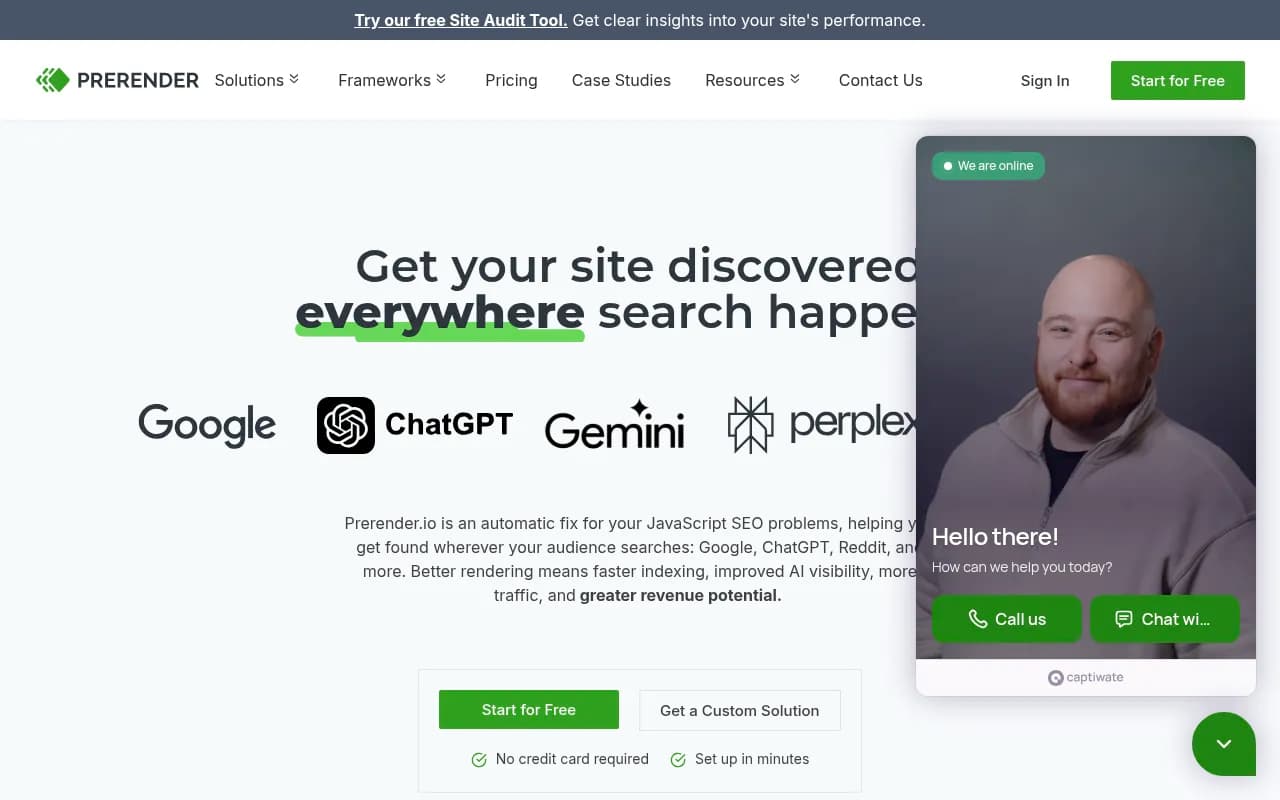
AI systems can't cite what they can't read. A crawler like Screaming Frog or Sitebulb finds broken links, orphaned pages, redirect chains, and missing metadata. If your site is heavily JavaScript-rendered, prerendering tools like Prerender.io solve a problem that hurts both Google and AI crawlers.

Job 7: AI crawler and agent analytics
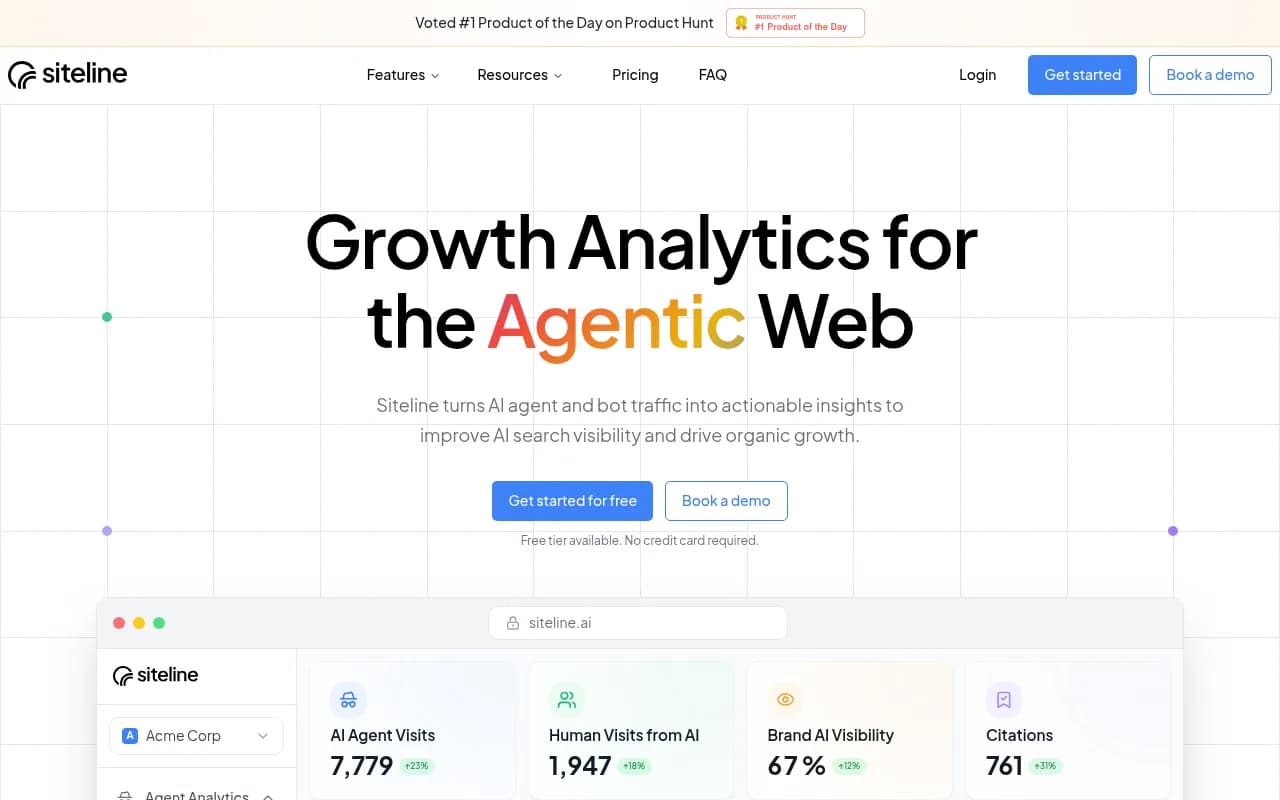
This one is new and most teams skip it. Server logs and CDN logs show whether GPTBot, ClaudeBot, PerplexityBot, and others are visiting, which pages they read, and which requests fail. Promptwatch includes IP-verified crawler logs (spoofed bots filtered out). Siteline AI focuses on agent traffic analytics.
Crawler patterns shift quickly. Promptwatch's AI crawler traffic data tracks weekly verified requests from OpenAI, Anthropic, Google, Perplexity, and Mistral. Separately, its Meta-WebIndexer report shows that crawler going from about 2% to nearly 38% of tracked AI crawler requests between mid-July and August 9, 2026. If your robots.txt was written in 2024, it is probably out of date.
Job 8: web and AI traffic analytics
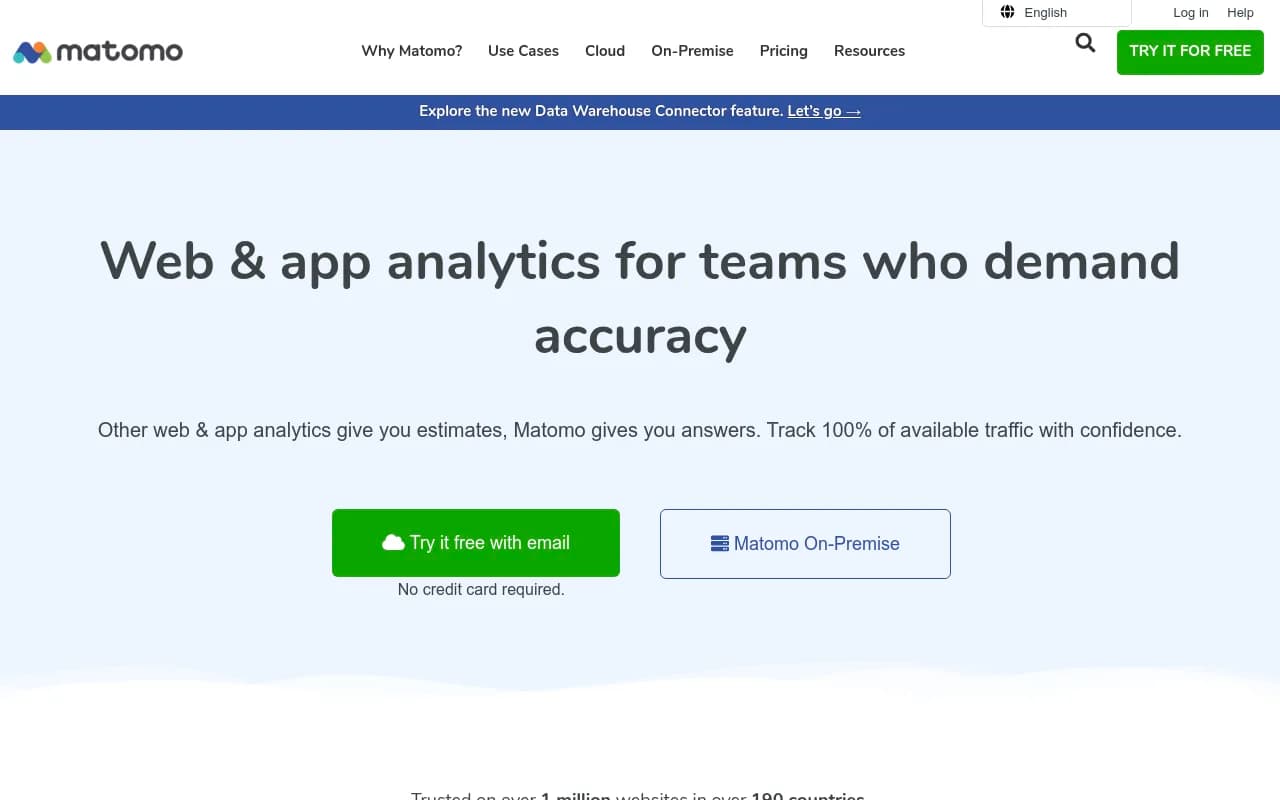
Mention counts are a vanity metric until you tie them to visits and conversions. Google Analytics handles the baseline. To split out AI referrals, you can build segments by referrer there, or use a tracker that includes visitor analytics. Matomo is the privacy-first alternative.
Job 9: search performance data
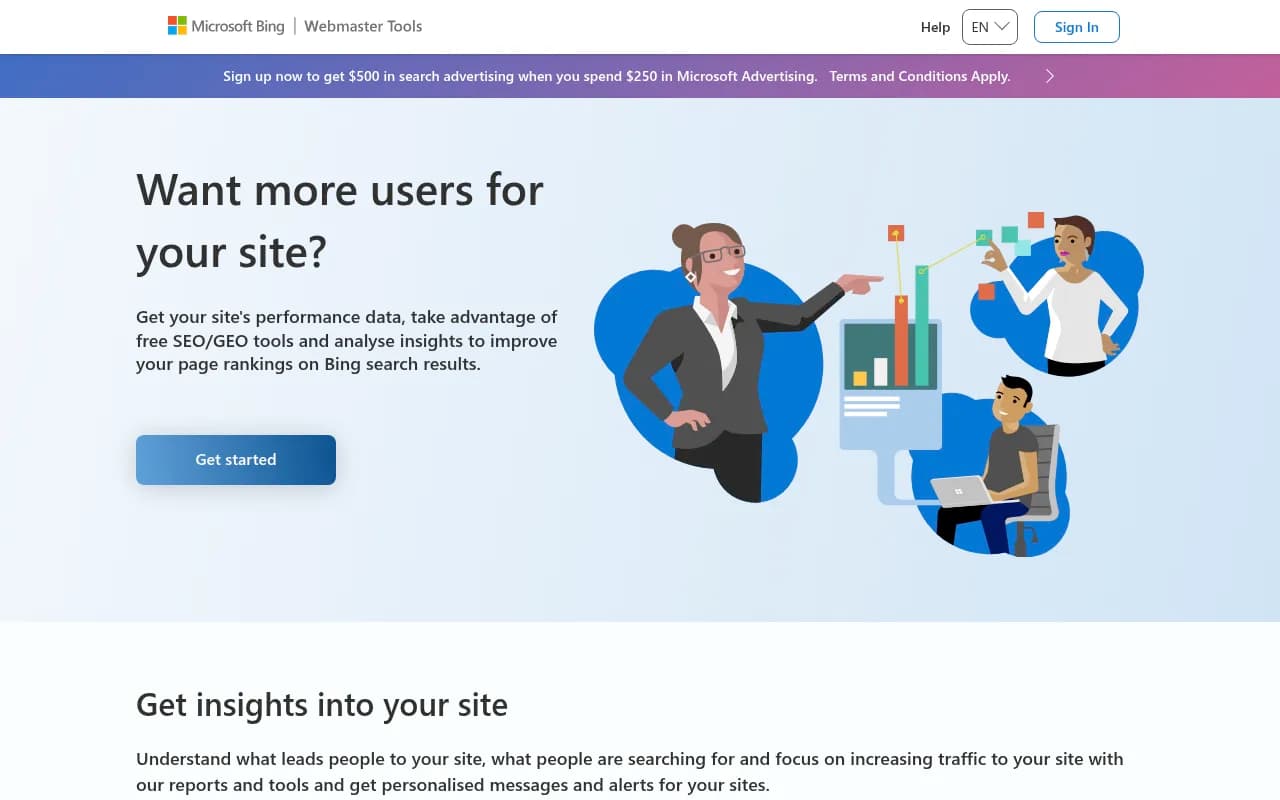
Google Search Console and Bing Webmaster Tools are free and non-negotiable. Bing matters more than it used to because several AI products lean on it. The useful question to ask of this data is: which pages rank well but never get cited by AI? Those are your easiest wins.
Distribution and operations (jobs 10 to 12)
Job 10: email and lifecycle
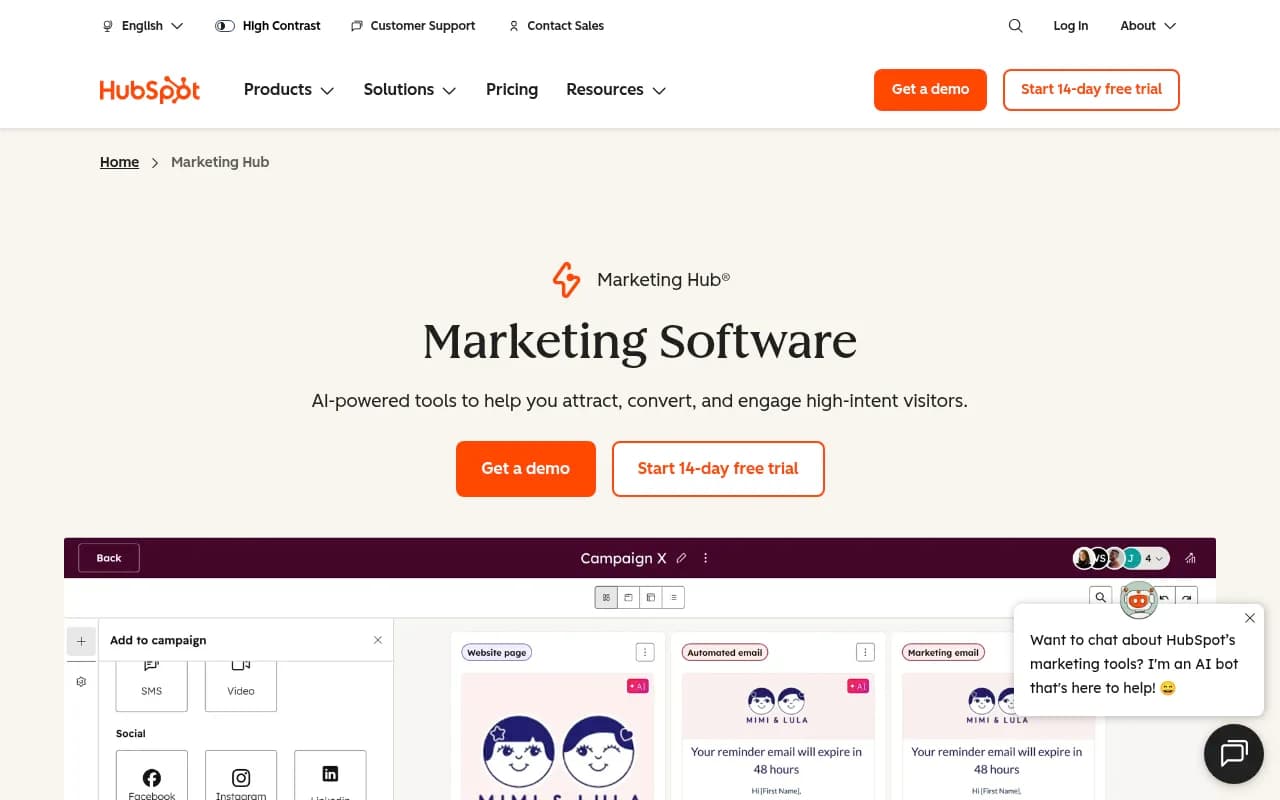
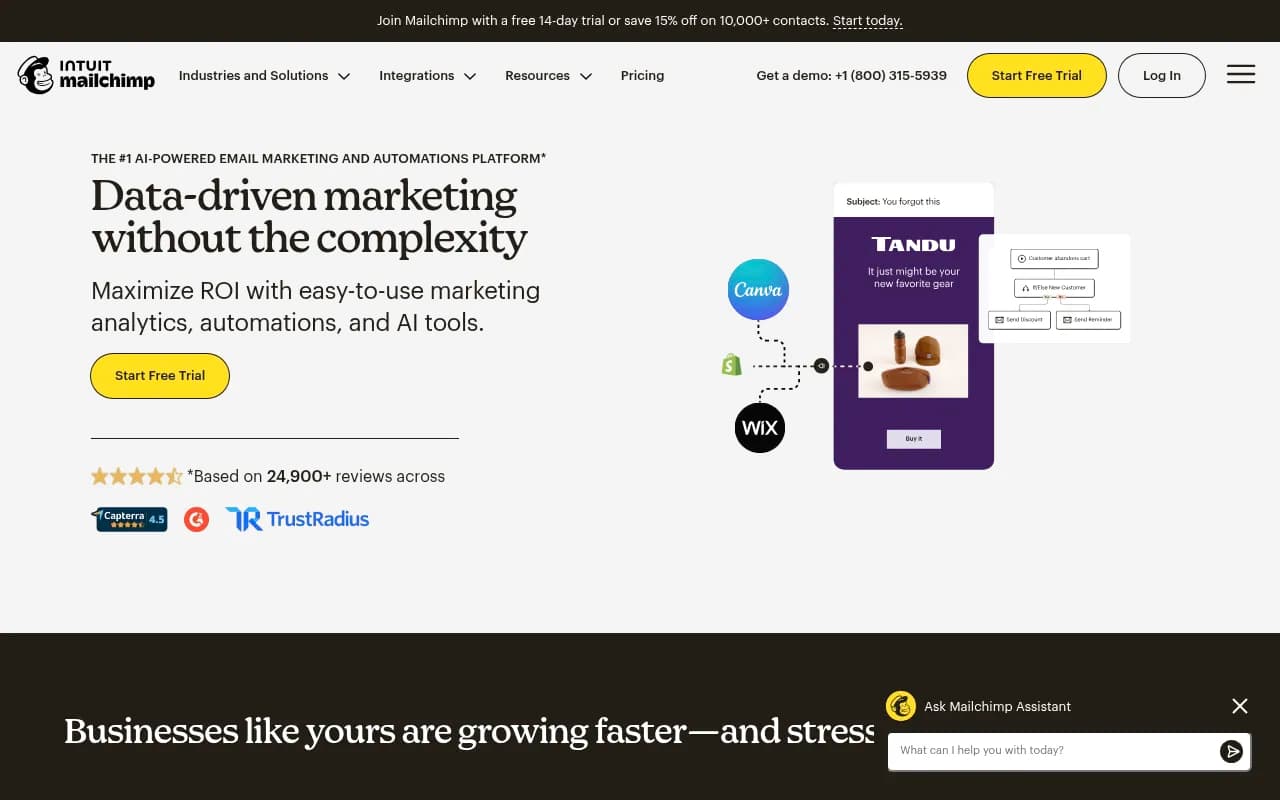
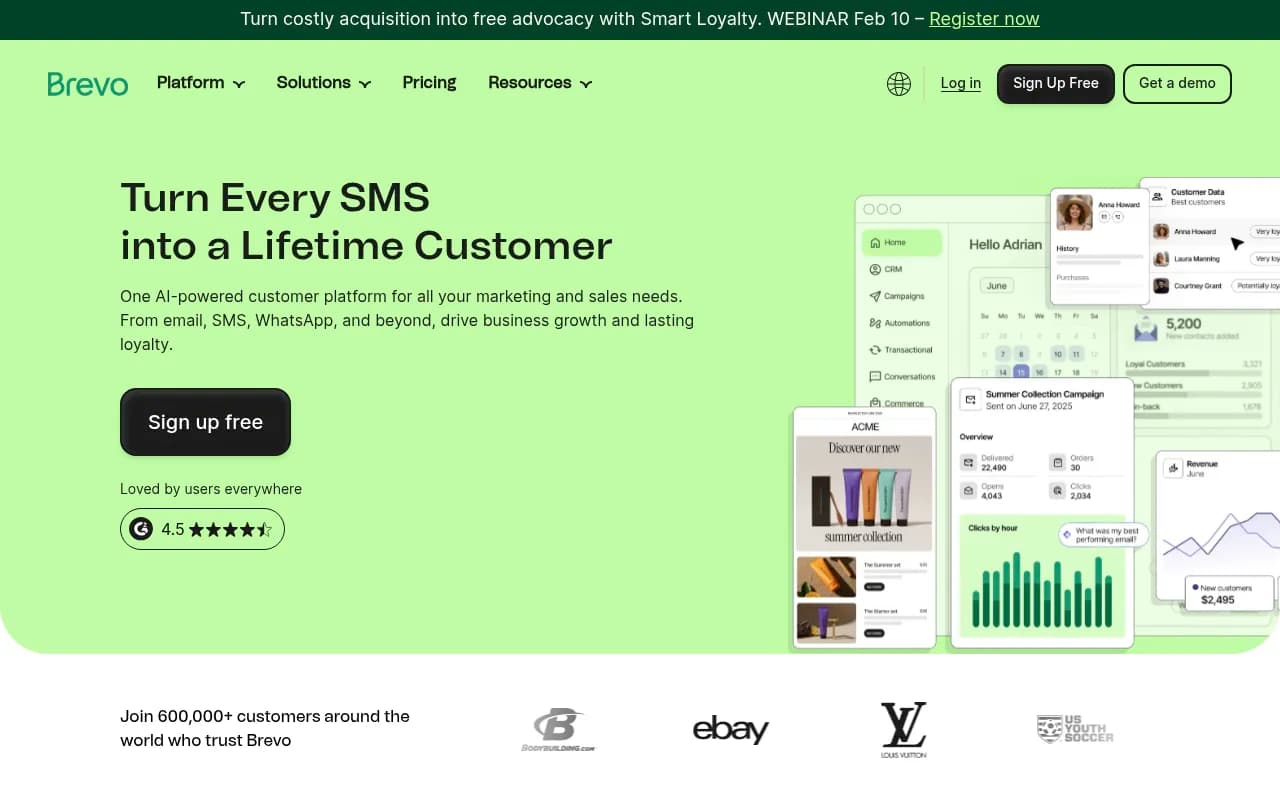
If you already live in a CRM, use its AI features before buying anything new. HubSpot Marketing Hub bundles email, automation, and reporting. Mailchimp and Brevo are cheaper starting points for smaller teams.
Job 11: social scheduling and distribution
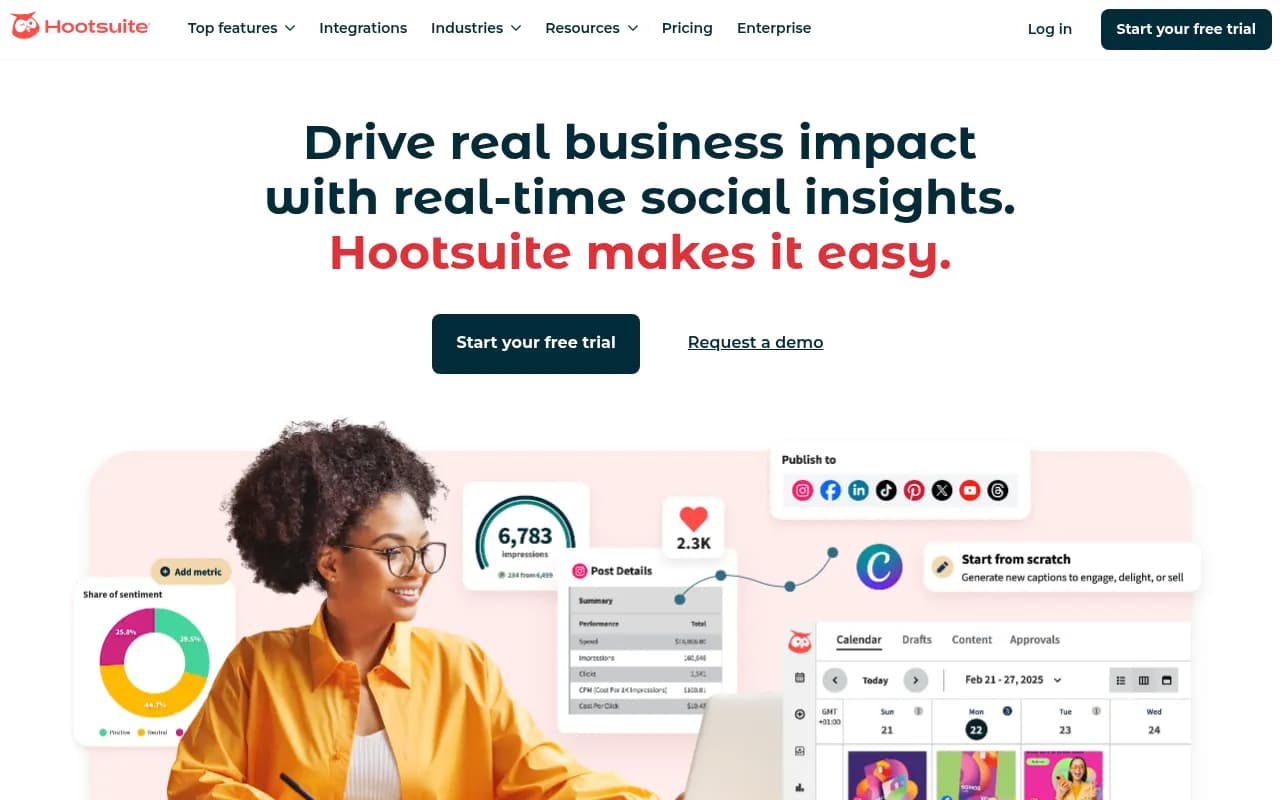
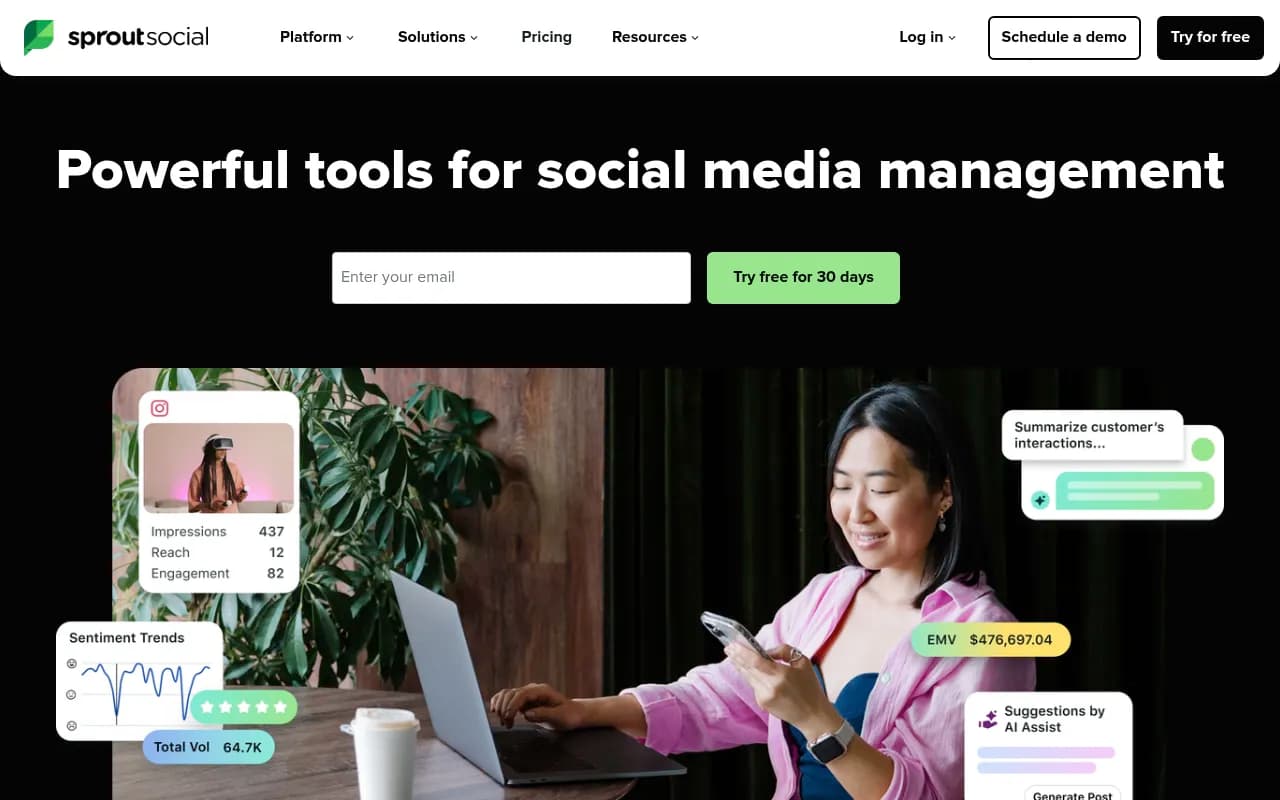
Social is a weak path into ChatGPT but a real one into Google. Per Promptwatch's October data, YouTube alone was 4.28% of Google AI Overviews citations. So distribution tooling should match where you want to be cited: video and LinkedIn first, X last. Buffer is simple and cheap. Hootsuite and Sprout Social suit larger teams with approval flows.
Job 12: workflow automation
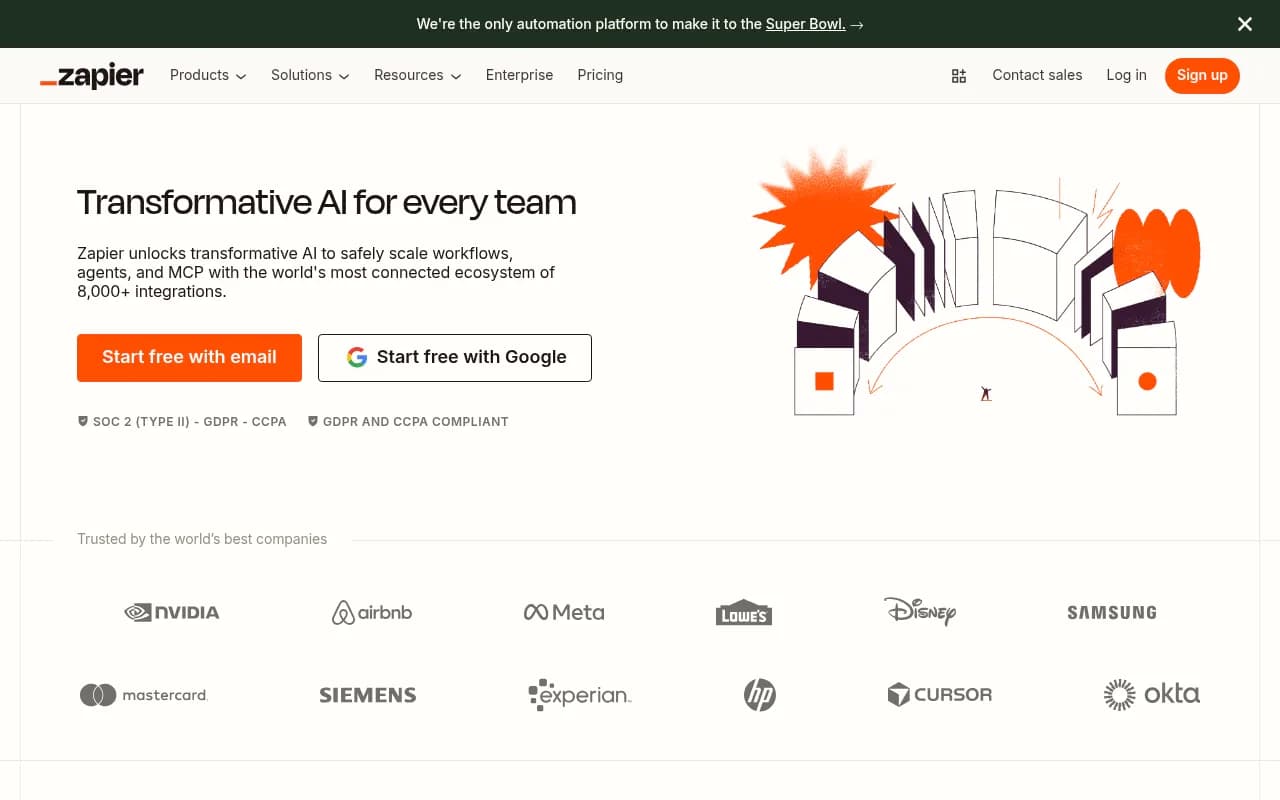
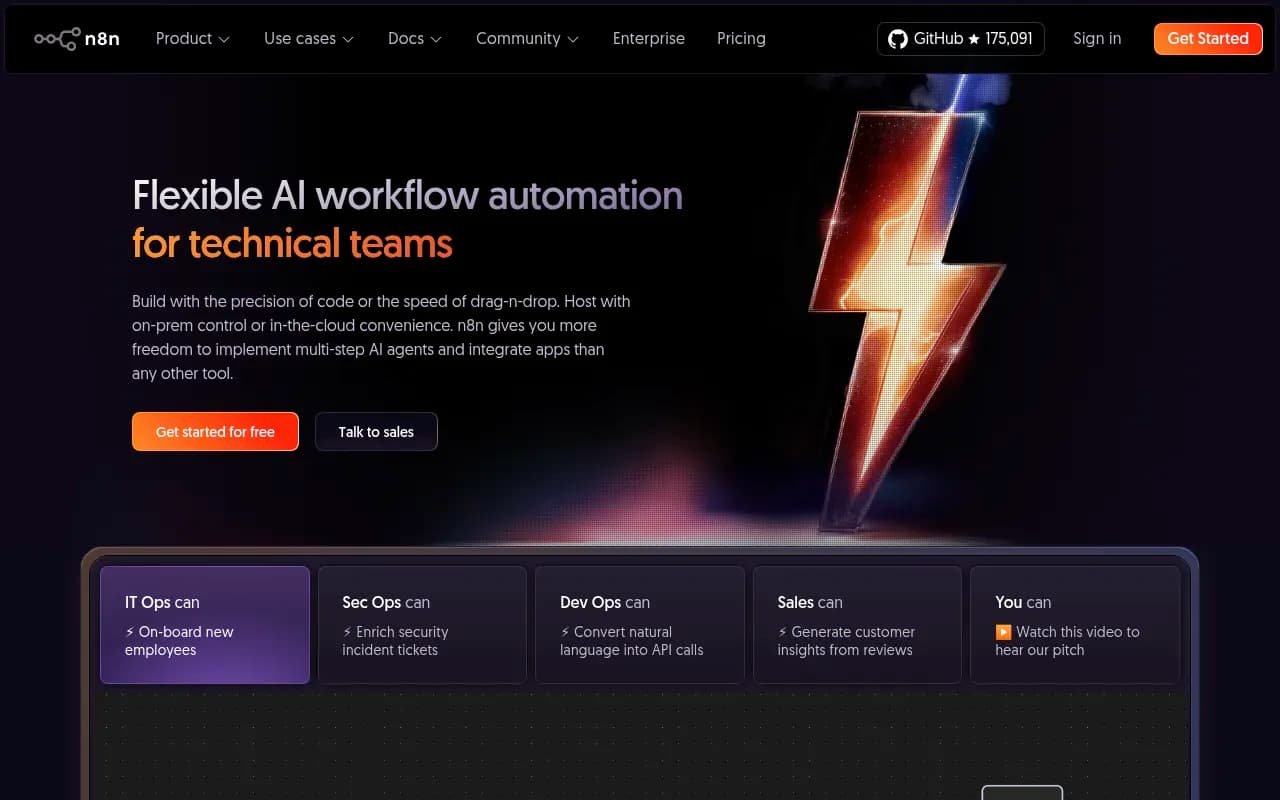
This is the glue. Zapier, Make, and n8n connect your CMS, tracker, Slack, and spreadsheets so reports and alerts happen without anyone remembering to run them. n8n is the pick if you want self-hosting and code-level control.
What the stack looks like by team size
| Team | Keep it to | Skip for now |
|---|---|---|
| Solo or 2 people | Claude or ChatGPT, Search Console, one AI visibility tool, Buffer | Enterprise trackers, separate crawler tools |
| 5 to 10 people | Add Ahrefs or Semrush, a content optimizer, GA, Zapier | Multiple social schedulers |
| 20+ or agency | Add log-level crawler analytics, custom reporting, a CMS publishing workflow | Tool sprawl: one pick per job |
How to roll this out
Don't buy all 12 in one month. A sensible order:
- Fix the basics: Search Console, Bing Webmaster Tools, analytics, a crawl of your site.
- Add AI visibility tracking and see where you stand. A free scan, such as the free AI visibility report from Promptwatch, is a no-risk way to start.
- Check crawler access and robots.txt for AI bots.
- Fix product, pricing, and landing pages first, since those are the most-cited types.
- Add content production and optimization tools, tied to the gaps you found.
- Automate reporting last, once you know what you'd report on.
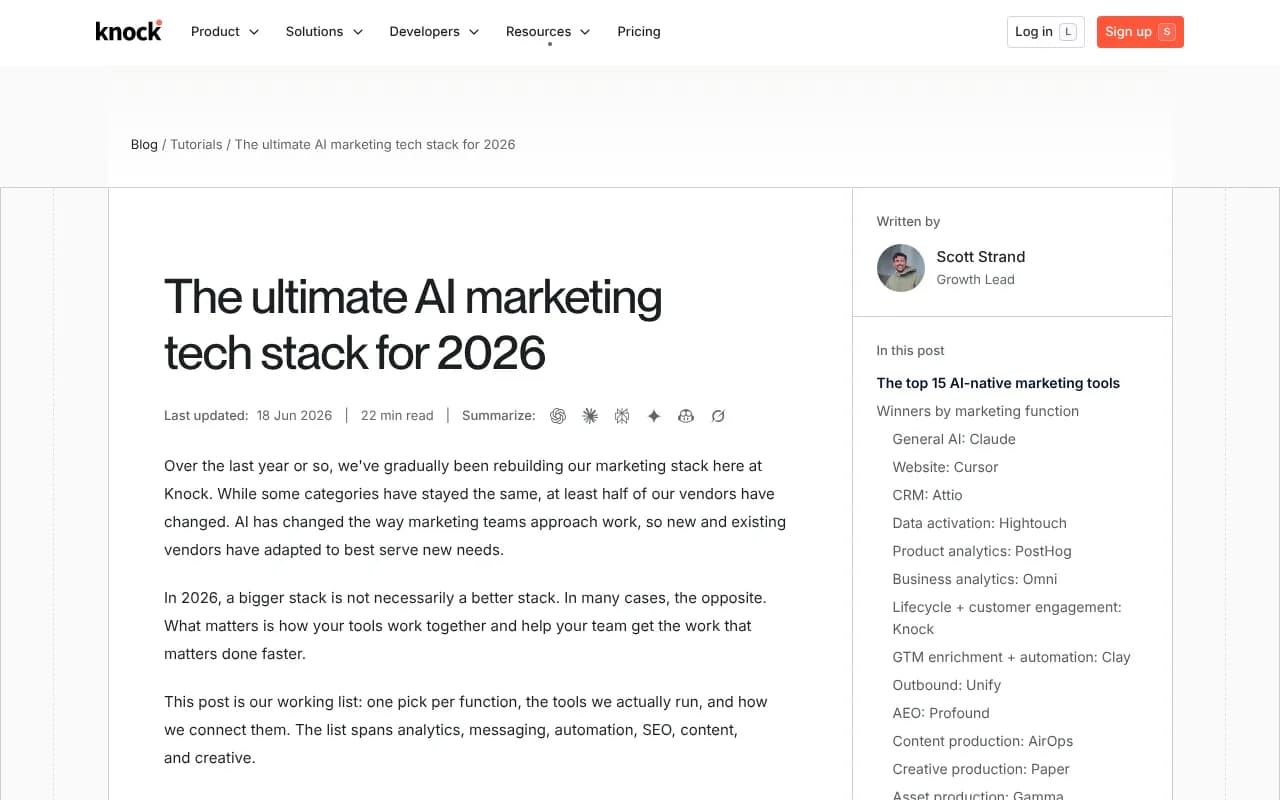
Knock's published stack is a good model for the one-pick-per-function approach. Note that it is one company's choices, and vendor lists like Storyflow's rank the publisher's own product first. Read any roundup, including this one, with that in mind.
Common mistakes
- Buying a tracker and never acting on it. Monitoring without a content and technical backlog is a dashboard nobody opens.
- Optimizing blog posts while the product page is thin. Product pages are the top-cited type.
- Ignoring crawler logs. If a bot hits errors, no amount of content fixes it.
- Treating all AI engines as one. ChatGPT and Google AI Overviews cite very different source mixes.
- Skipping the human edit. AI drafts still need a person who knows the product.
For more category browsing, the software directory at surferstack.com has reviews and alternatives for most tools above.
The short version
Twelve jobs, one tool each, added in order. Start with measurement and crawlability, then fix your highest-citation pages, then scale content. Pricing and features change fast, so confirm current plans on each vendor's pricing page before you buy.