Key takeaways
- B2B teams need three kinds of tools, not one: AI visibility tracking (are we cited in ChatGPT, Gemini, Perplexity?), intent data (who is in market?), and research (what are buyers asking?).
- Most AI visibility tools only monitor. Pick one that explains why a competitor gets named and helps you fix the gap.
- Promptwatch's data shows ChatGPT cites product pages, landing pages and documentation far more than blog-style content for software prompts, so your own site matters more than third-party mentions.
- Intent platforms like 6sense, Bombora and Demandbase tell you who is researching. AI visibility tools tell you whether you show up when they ask an AI.
- Pricing in this category changes constantly. Confirm every number on the vendor's own pricing page before you budget.
Why B2B teams need a different AI search stack
A B2B buyer shortlisting a CRM, a data warehouse or a security vendor now often starts by asking ChatGPT or Perplexity something like "alternatives to [competitor] for a 200-person SaaS company." The answer is a handful of named vendors with cited sources. If you aren't in that list, you never get the chance to appear in the demo request.
The tooling has split into three jobs that people keep lumping together:
- AI visibility: whether and how AI engines mention and cite your brand.
- Intent and account intelligence: which accounts are actively researching your category.
- Research and content: what buyers are asking, and what you should publish in response.
The mistake I see most often is buying a dashboard for job one and assuming it covers the other two. It doesn't. It also tends to produce a score without an explanation, which is the least useful thing a marketing team can report upward.
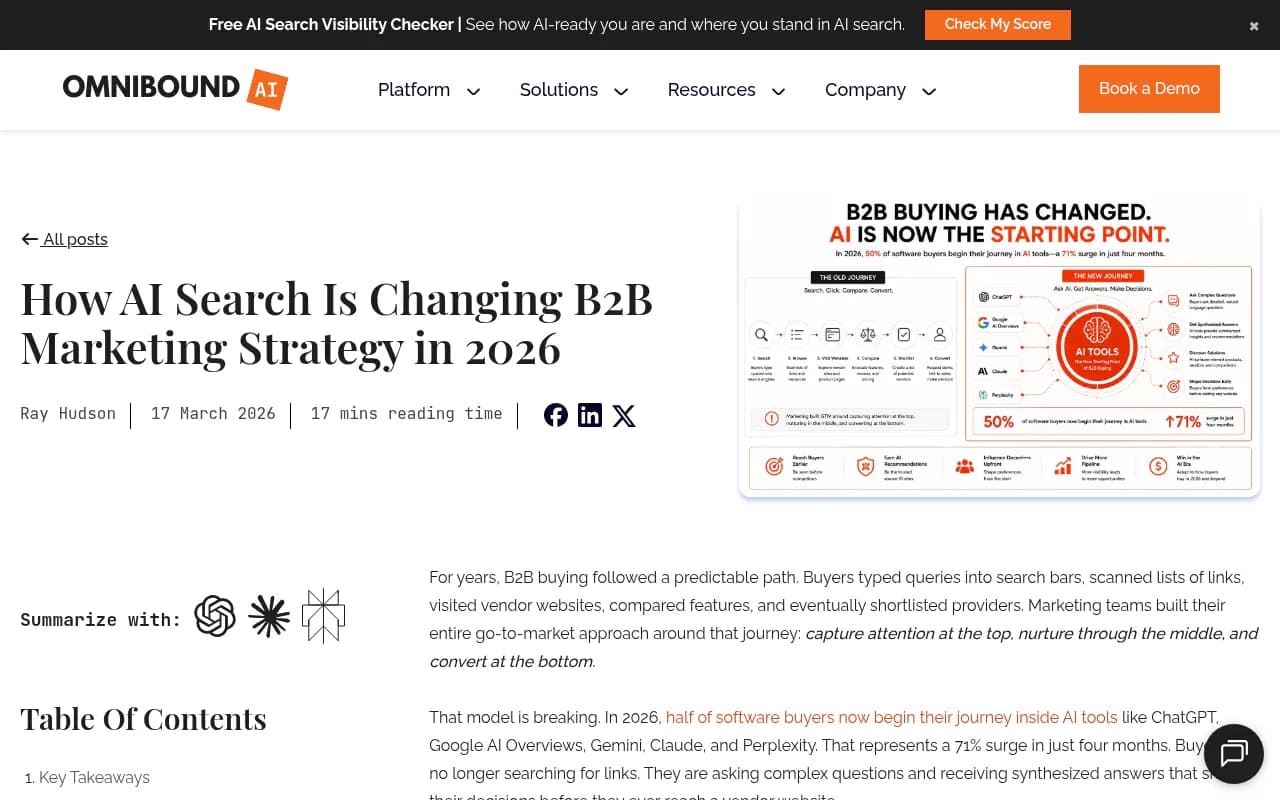
Omnibound's write-up on B2B AI search lays out the new KPIs well: AI visibility (how often you appear in answers to buyer questions), citation frequency, and AI share of voice against competitors. Those are the metrics worth building the stack around.
What the data says about how AI cites B2B and software brands
Before choosing tools, it helps to know what you are optimizing for. Promptwatch Data's ChatGPT citation report for software prompts (Sep 28 to Oct 4, 2026) found:
- GitHub (1.2%), Microsoft's learn.microsoft.com (0.98%) and G2 (0.73%) are the most cited domains.
- Documentation and help centers earn the largest share by source type at 2.64%, followed by vendor sites at 2.01%.
- G2, Gartner, Capterra and Software Advice together earn 1.57%, more than any single vendor including Microsoft.
The takeaway for B2B teams: keep docs and help pages crawlable, keep your G2 and Capterra profiles complete, and treat your own site as the main citation source.
Content format matters too. In Promptwatch's content type report for the same week, product pages made up 22.4% of ChatGPT citations, landing pages 16.8% and listicles 13.6%. For commercial prompts such as "best CRM for small businesses," product pages, landing pages, listicles and comparisons add up to almost 70% of citations. If your B2B site is mostly thought-leadership blog posts, that is a mismatch.
Two more findings affect planning:
- Mid-authority sites (domain rank 46-75) earned almost half of ChatGPT citations in August 2026, while DR 91-100 sites fell to about 3%, per Promptwatch's domain rank report. You don't need a giant domain to get cited.
- Almost half of ChatGPT responses cite 10 or more unique domains (source), so there is room for several vendors per answer.
Social is a different story by engine. From Sep 28 to Oct 4, 2026, ChatGPT drew just 0.46% of its citations from social platforms, while Google AI Overviews drew 12.2% (Promptwatch Data). LinkedIn is now ChatGPT's top social source at 0.3%, and it ties Reddit at 0.86% in Perplexity. For B2B, that makes LinkedIn the one social channel worth real effort. Reddit's collapse in ChatGPT is covered in this report.
Category 1: AI visibility and GEO platforms
This is the category with the most noise. IndustryLens tracks 18 vendors here and notes that positioning is the most crowded move type, with Peec AI and Goodie AI both running direct comparison campaigns against rivals. Read vendor comparison pages with that in mind.
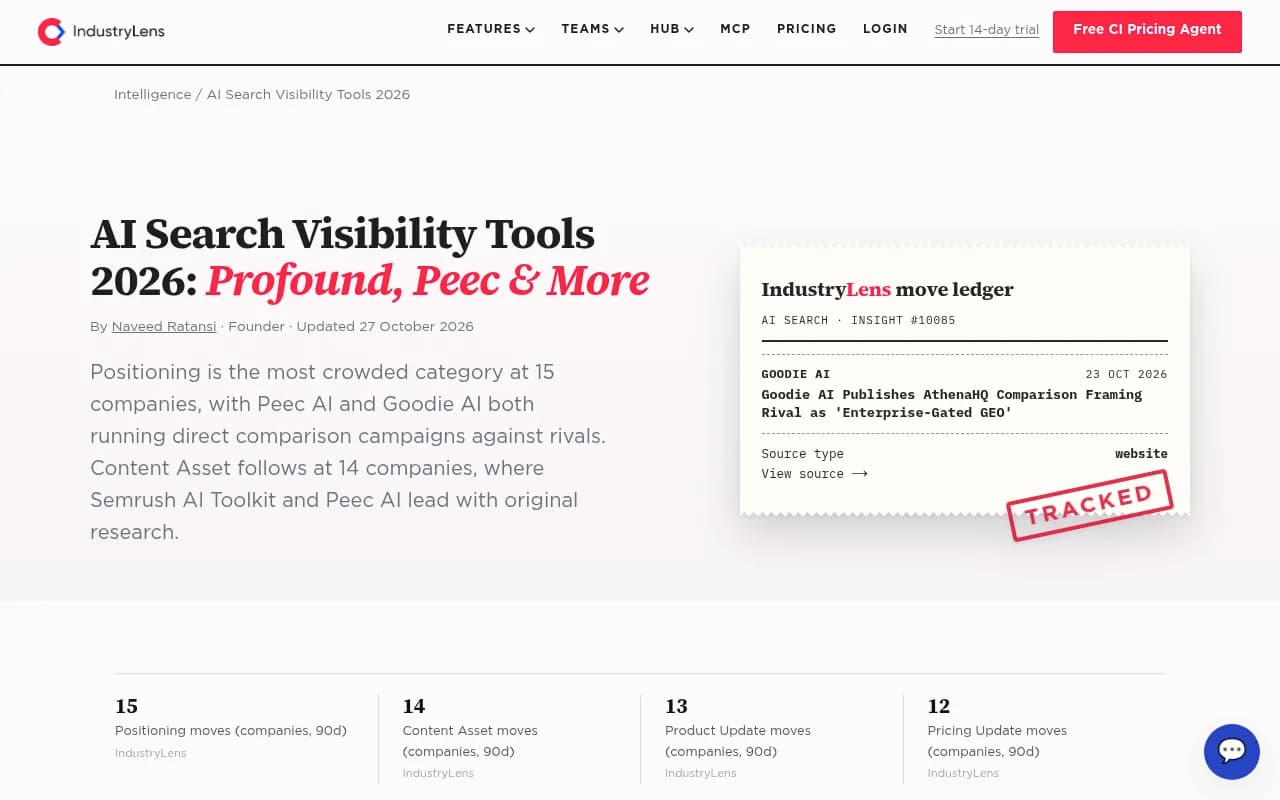
Their advice is sound: pick the tool that helps explain a missing mention over one that gives you another score. Run a real buying question on the engines you care about, open an answer that names a competitor, and check whether the tool shows the source pages behind it.
Promptwatch
Promptwatch is the one I would put first on a B2B shortlist, mainly because it goes past monitoring. It tracks the real interfaces of ChatGPT, Google AI Overviews, AI Mode, Gemini, Perplexity, Copilot and others, then connects that to IP-verified AI crawler logs, visitor analytics for AI-referred traffic, and a content gap analysis that shows which prompts you lose. The Content Agent can draft and publish to Webflow, Framer or WordPress, and the Action Board turns findings into a prioritized to-do list.
For a B2B team the useful parts are the ones tied to revenue: seeing which AI-referred visits convert, and seeing whether the pages you publish actually get crawled and cited afterward. Crisp reported 2x higher conversion rates from AI traffic than from traditional channels using this loop. Plans start at $95/month, with a free Explore tier limited to ChatGPT. Check promptwatch.com/pricing for current numbers.

Profound
Profound is the enterprise name most often mentioned. Its Answer Engine Insights includes Citation Analytics, Prompt Volumes and Agent Analytics. Pricing is custom, and one reviewer described it as too expensive and complex for most B2B SaaS content teams. It makes sense if you have a large budget and an analyst to run it.
Profound

Peec AI
Peec AI is the affordable monitoring pick. It tracks brand mentions, citations, competitor mentions and share of voice across ChatGPT, Perplexity, Gemini, Claude and AI Overviews. One reviewer lists it around $80/month. Check the entry plan limits (50 prompts, 3 models and 1 project per IndustryLens) against the number of buying questions you want to track. The main criticism is that it tells you what is happening with limited guidance on what to fix.

Semrush and Ahrefs Brand Radar
If your team already lives in an SEO suite, adding AI tracking is the path of least resistance. Semrush ties its Visibility Score to keyword research and rank tracking. Ahrefs Brand Radar adds custom prompts and an AI Visibility Index, plus YouTube and Reddit tracking, and recently added entity extraction. The tradeoffs are cost scaling and shallower AI-specific data than dedicated tools. Ahrefs, for instance, is reported at around $199/month per AI index.

Otterly.AI, Rankshift and Nightwatch
Otterly.AI is the cheap, fast starting point (one reviewer cites about $25/month and a 14-day trial), though lower tiers can have data gaps on some platforms. Rankshift offers multi-model tracking with content optimization but uses credit-based pricing that can climb quickly. Nightwatch overlays traditional rank tracking with AI visibility, which is handy if you want to see whether ranking changes move AI mentions.
Otterly.AI


For a wider list, the GEO software directory at bestgeosoftware.com covers more options than fit here.
Quick comparison
| Tool | Best for | Reported entry price | Main limitation |
|---|---|---|---|
| Promptwatch | Teams that want to track, fix and measure AI visibility | From $95/mo | More depth than a team that only wants a score needs |
| Profound | Enterprise depth and data quality | Custom | Cost and complexity |
| Peec AI | Mid-market monitoring | About $80/mo | Little guidance on fixes |
| Semrush | Existing Semrush users | About $99/mo, AI tracking higher | Scaling costs, less depth |
| Ahrefs Brand Radar | Ahrefs power users | About $199/mo per index | Total cost, monthly update cadence |
| Otterly.AI | Quick, cheap start | About $25/mo | Data gaps at lower tiers |
| Rankshift | Multi-model tracking plus content | About $92/mo | Credit pricing |
| Nightwatch | Rank tracking plus AI | Varies | Less AI-specific depth |
Prices come from third-party roundups and vary by source. Treat them as rough and verify on each vendor's pricing page.
Category 2: intent data and account intelligence
AI visibility answers "do buyers see us when they ask an AI?" Intent data answers "which accounts are actually researching us or our category right now?" You want both, and they feed each other: an account showing a surge on Bombora topics that also asks ChatGPT for alternatives to your competitor is a very warm account.
I did not test these platforms for this guide, and the available research on this category was thin, so treat the notes below as orientation rather than reviews.
- 6sense is account-based marketing with predictive intelligence, aimed at larger teams that want account scoring and orchestration.
- Bombora sells intent data from a large content co-op. It is a data layer you plug into your CRM and ad stack rather than a full platform.
- Demandbase combines ABM with sales intelligence and turns signals into pipeline actions.
- Factors.ai and HockeyStack are lighter options for teams that want intent signals tied to attribution and web activity.
- ZoomInfo and Clay cover the data enrichment side, useful once intent flags an account and you need contacts.
| Tool | Role | Good fit |
|---|---|---|
| 6sense | Predictive ABM and account scoring | Enterprise and upper mid-market |
| Bombora | Third-party intent data feed | Teams with an existing CRM and ad stack |
| Demandbase | ABM plus sales intelligence | Teams running coordinated marketing and sales plays |
| Factors.ai | Intent signals tied to demand gen | Smaller B2B teams |
| ZoomInfo | Contact and company database | Enrichment after intent fires |
| Clay | Enrichment workflows | Ops-minded teams |
Category 3: research and content tools
The third bucket covers what to say once you know where you are invisible.
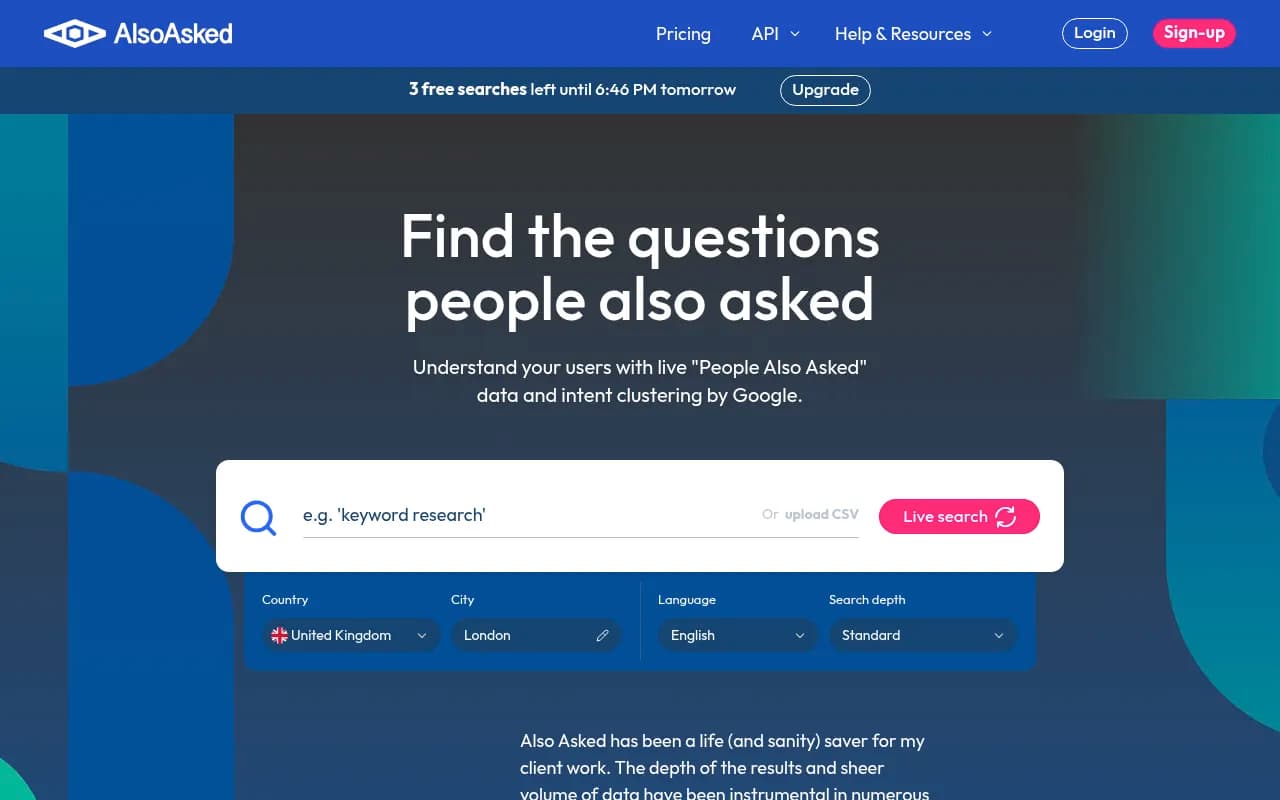
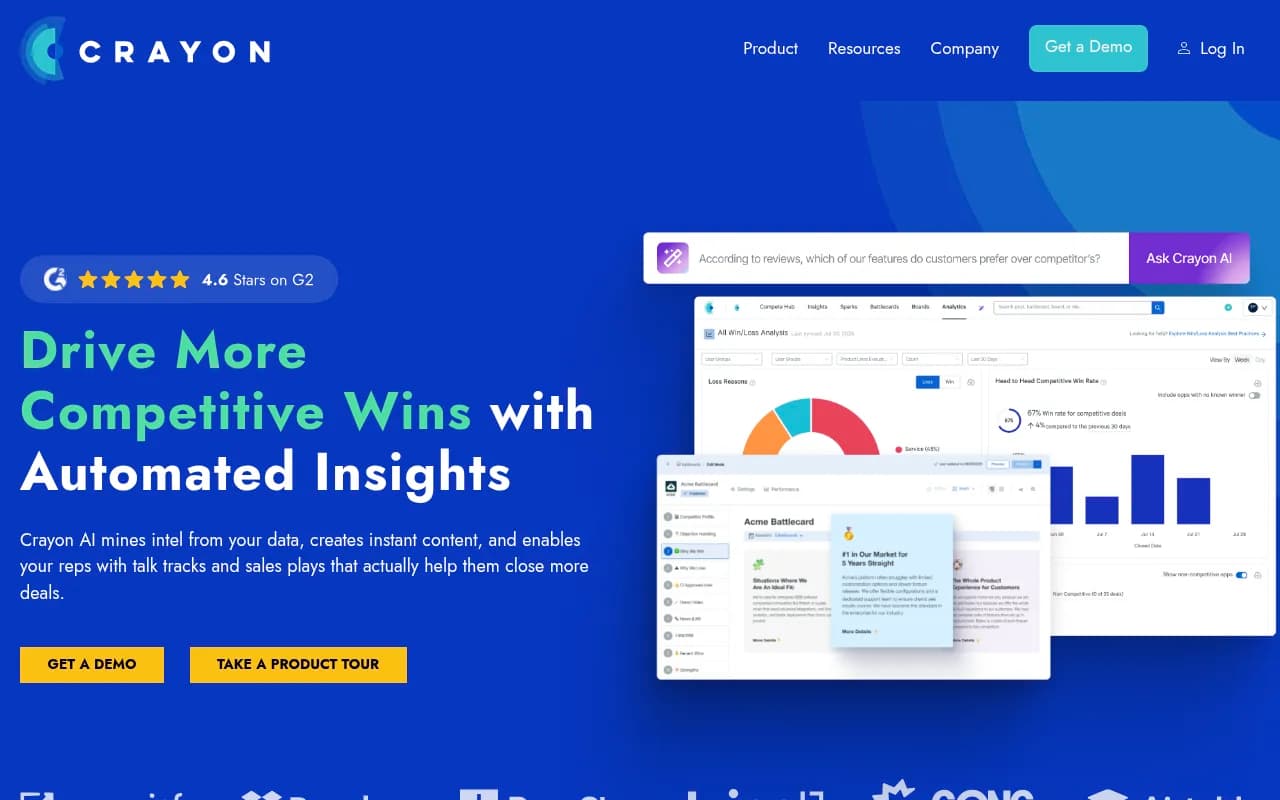
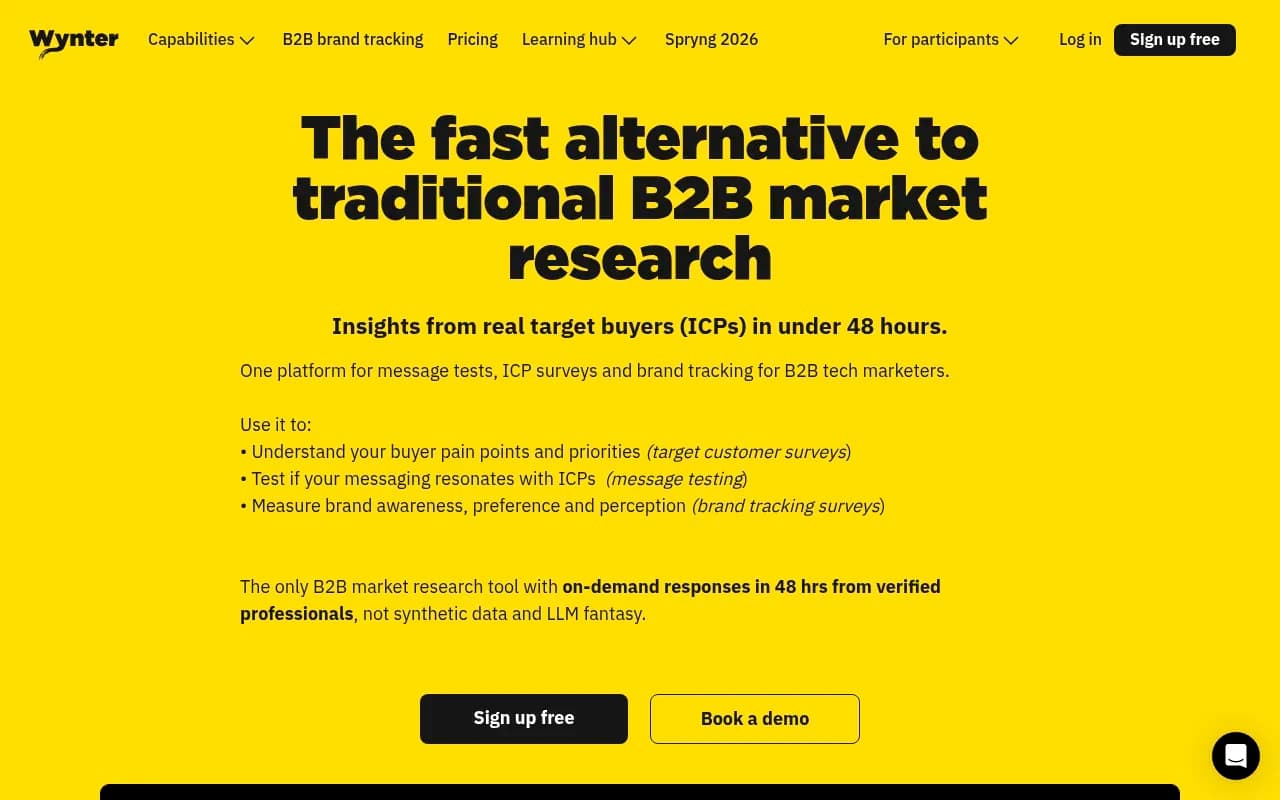
For general research and drafting, ChatGPT and Claude are the default assistants for B2B teams. Vereigen Media's 2026 roundup points to ChatGPT, Claude and Surfer SEO for ideation, drafting and optimization. For question research, AlsoAsked and AnswerThePublic surface real buyer questions. For competitive and market research, Crayon and Klue handle competitive intelligence, while Wynter gets feedback from your exact ICP quickly.
One caution on content volume. Scrunch AI published survey findings in August 2026 arguing that publishing more is not the same as refining what you have, and its post is literally titled "the AI content treadmill is a trap." I agree with the spirit. Promptwatch Data's content half-life report found that landing pages and docs stay cited for months, while news loses half its citations in about five weeks. Refreshing a product page usually beats publishing another news-style post.
How to choose: a practical sequence
Step 1: measure your baseline
Before buying anything, run 20 to 30 real buying questions in ChatGPT, Gemini and Perplexity. Write down who gets named and which sources are cited. Promptwatch also offers a free AI visibility report that scans how ChatGPT, Gemini and Perplexity describe your brand without a login.
Step 2: pick one visibility tool and test it with your own questions
Use the demo checklist IndustryLens suggests: run a real buying question, open an answer that mentions a competitor, read the cited sources, and ask what happens when you exceed prompt or model allowances. If the vendor can't show the source pages behind an answer, move on.
Step 3: check crawlability
If AI crawlers can't read your docs and product pages, no amount of content helps. Crawler logs and a site audit are worth more than another dashboard here. Promptwatch's crawler logs show which AI bots visit, what they read and where they hit errors.
Step 4: layer intent data only if sales will act on it
Intent platforms are expensive and only pay back if sales and marketing agree on what happens when an account spikes. If that process doesn't exist, fix it first.
Step 5: tie it to pipeline
Track AI-referred visits and conversions, not just mentions. TreeHouse, the company behind Pararius, reported AI search reaching around 25% of organic conversions after fixing crawler access and publishing proprietary data. That is the kind of result a mention count alone will never show you.
What I would buy
For a mid-market B2B SaaS team with a content person and an SEO person: one AI visibility platform that includes crawler data and content workflows (Promptwatch is my first pick), the SEO suite you already pay for, and intent data only if you already run ABM. For a very small team, Otterly.AI or Peec AI is a reasonable low-cost way to start, as long as you accept that you will do the fixing yourself. For a large enterprise with procurement requirements, shortlist Profound and Promptwatch (ISO/IEC 27001 certified) and compare them on a real set of your own prompts.
If you want to browse more tools in adjacent categories, the directory at surferstack.com covers marketing and SEO software broadly.
And re-verify pricing before you commit. Several of the numbers quoted above came from third-party roundups that disagree with each other, and this category reprices often.