Key takeaways
- Traditional rank trackers measure a position in an ordered list of results. AI rank trackers measure whether and how your brand shows up inside a generated answer. They answer different questions.
- Most teams in 2026 need both, but not at the same depth. Start with the channel that drives your revenue and add the other as a lighter layer.
- "Rank" in AI search is fuzzy. ChatGPT cites about 5 sources per answer, AI Overviews and Perplexity about 10, and citation patterns can shift overnight.
- One prompt tells you almost nothing. AI tracking only works as a sample across many prompts, models and countries.
- The best setup is a classic tracker for Google and Bing positions, plus an AI visibility platform that also shows crawler activity and traffic, so you can act on what you see.
The short answer
Yes, you probably need both. But the reason isn't "AI is the future, so buy another tool." It's that the two kinds of tracker measure different things, and a gap in either one leaves you guessing.
A traditional rank tracker tells you that your page sits at position 4 for a keyword in a given location on a given device. An AI rank tracker tells you that, across 200 prompts, your brand was mentioned in 18% of ChatGPT answers, cited as a source in 9%, and described neutrally. Same goal (visibility), completely different data shape.
One caveat before going further. Some vendor blogs claim there is "no meaningful overlap" between SEO tracking and AI tracking. That's a vendor opinion, and it's too strong. Pages that rank well in Google and Bing often feed AI answers, so the signals are related. They just aren't interchangeable.
What a traditional rank tracker actually measures
Classic rank tracking is simple and mature. You give the tool a keyword list, a location, a device type, and it checks where your URL appears in the results page. You get a position number, a trend line, and usually SERP feature flags (featured snippet, local pack, People Also Ask).
This works because the thing being measured is stable and ordered. Position 3 is better than position 7. A move from 9 to 4 is a real, comparable change.
What these tools do well:
- Daily or on-demand position checks at scale, often for tens of thousands of keywords
- Local and mobile tracking by city or postcode
- Competitor position comparisons and share of voice across a keyword set
- Reporting that clients and executives already understand
What they can't tell you: whether your brand was named in an AI-generated answer, which URLs the model cited, or how it described you.
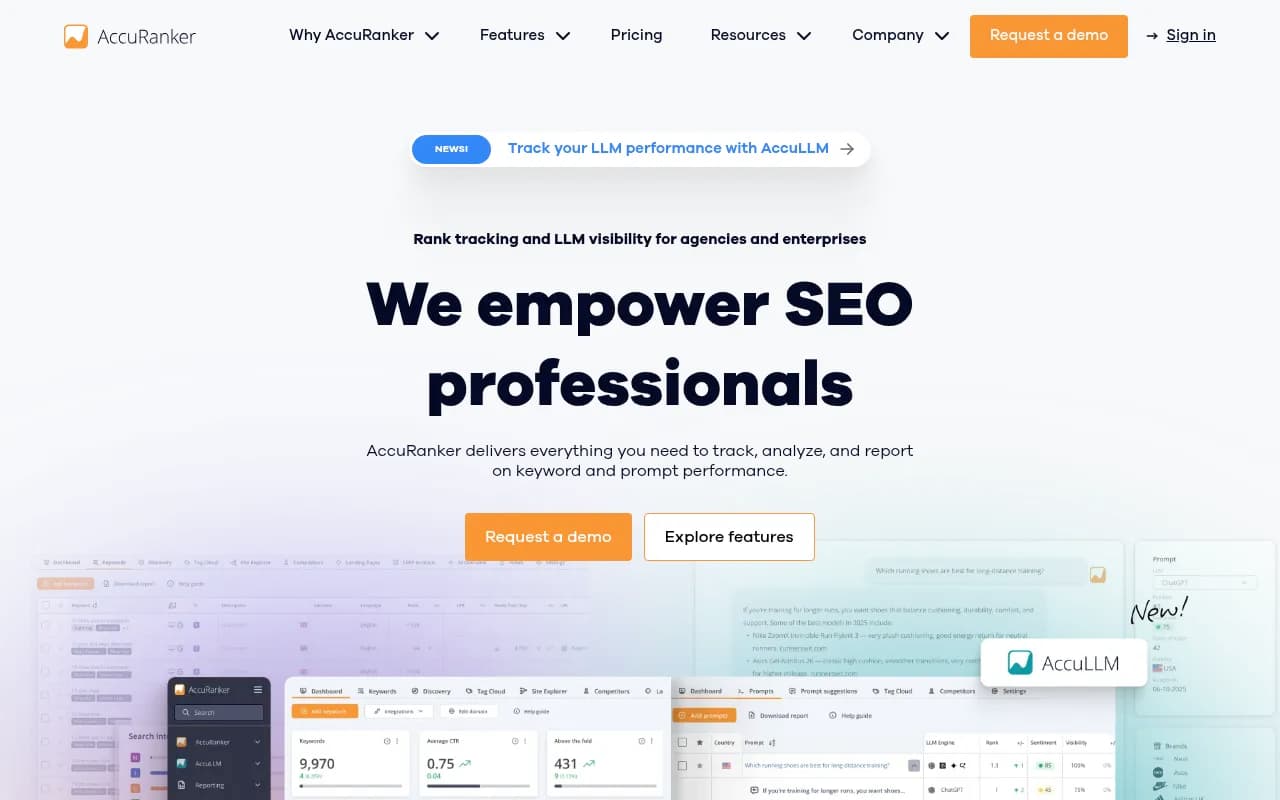
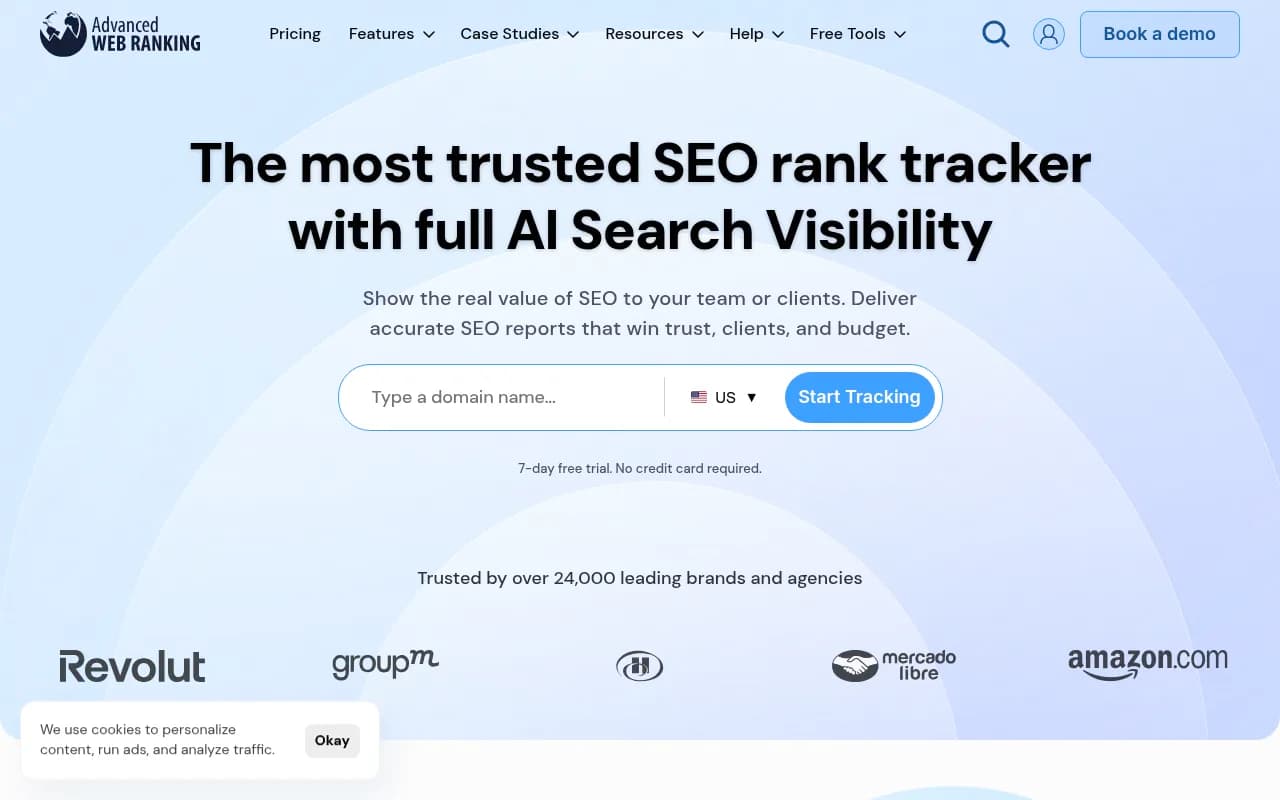
For dedicated classic tracking, tools like AccuRanker (fast, on-demand updates, popular with agencies) and Advanced Web Ranking (enterprise-grade, long track record) are built for exactly this job.
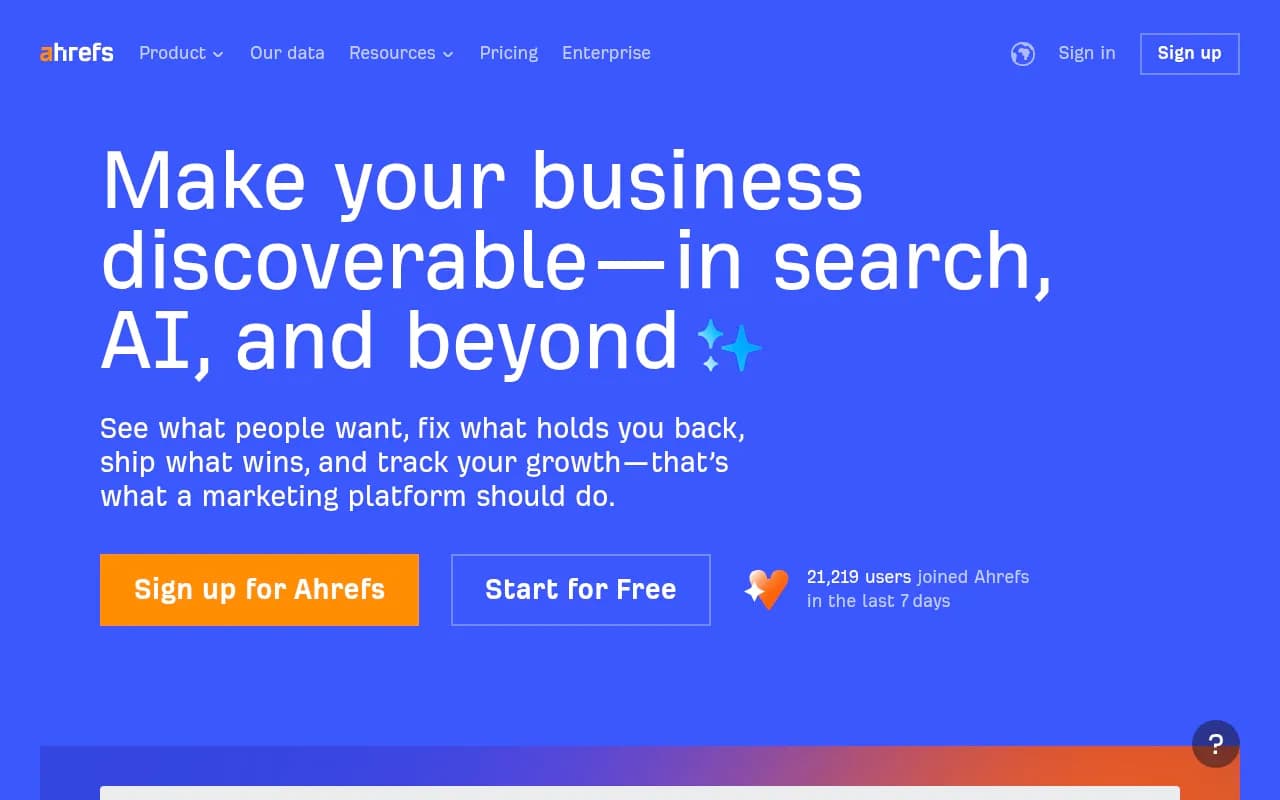
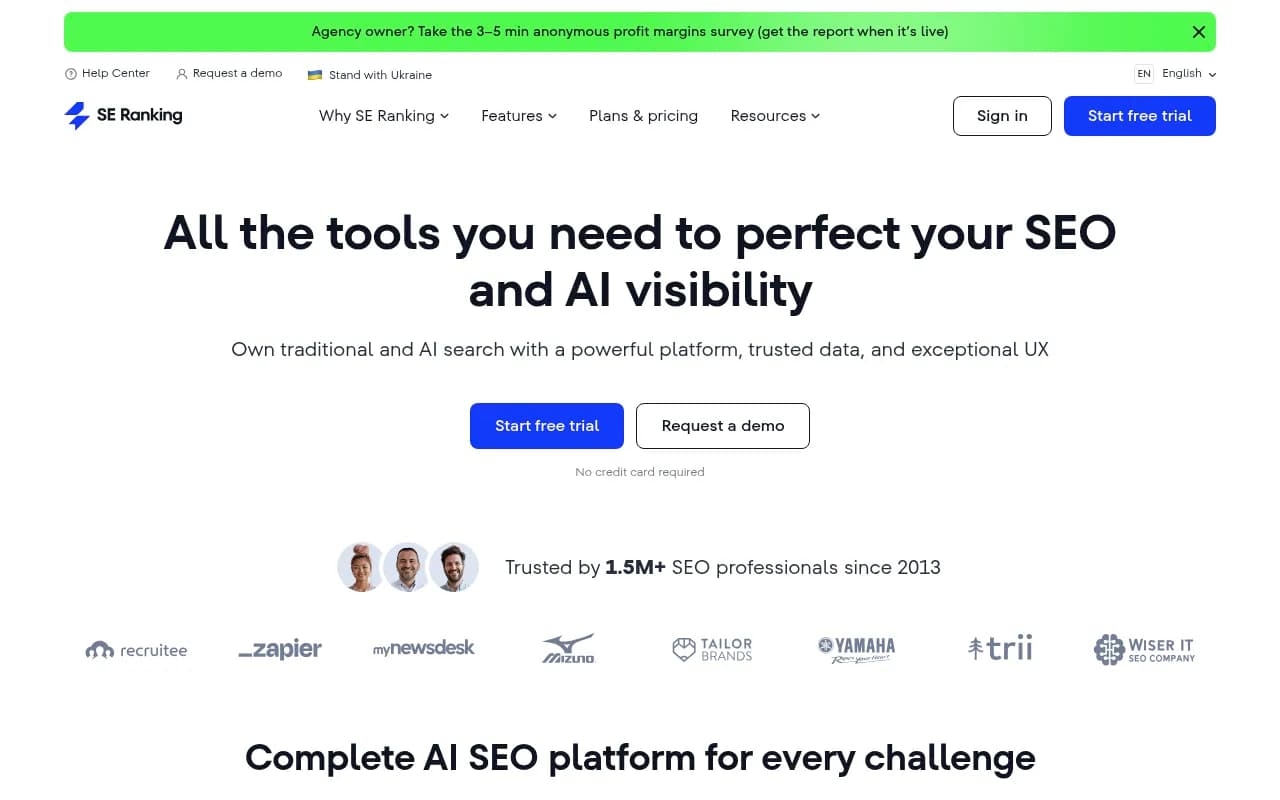
All-in-one suites such as Semrush, Ahrefs, and SE Ranking bundle rank tracking with keyword research and audits. Many have added AI tracking modules, though those tend to be thinner than what a dedicated platform offers.
What an AI rank tracker measures instead
AI answers don't have a rank in the classic sense. There's no position 1 through 10. There's an answer, a handful of cited sources, and a brand either appears in it or doesn't.
So AI trackers measure a different set of things:
- Mentions: is your brand named in the answer at all?
- Citations: is one of your URLs listed as a source?
- Position inside the answer: are you the first recommendation or the fifth?
- Sentiment: how does the model describe you?
- Share of voice: how often are you named compared with competitors across the same prompt set?
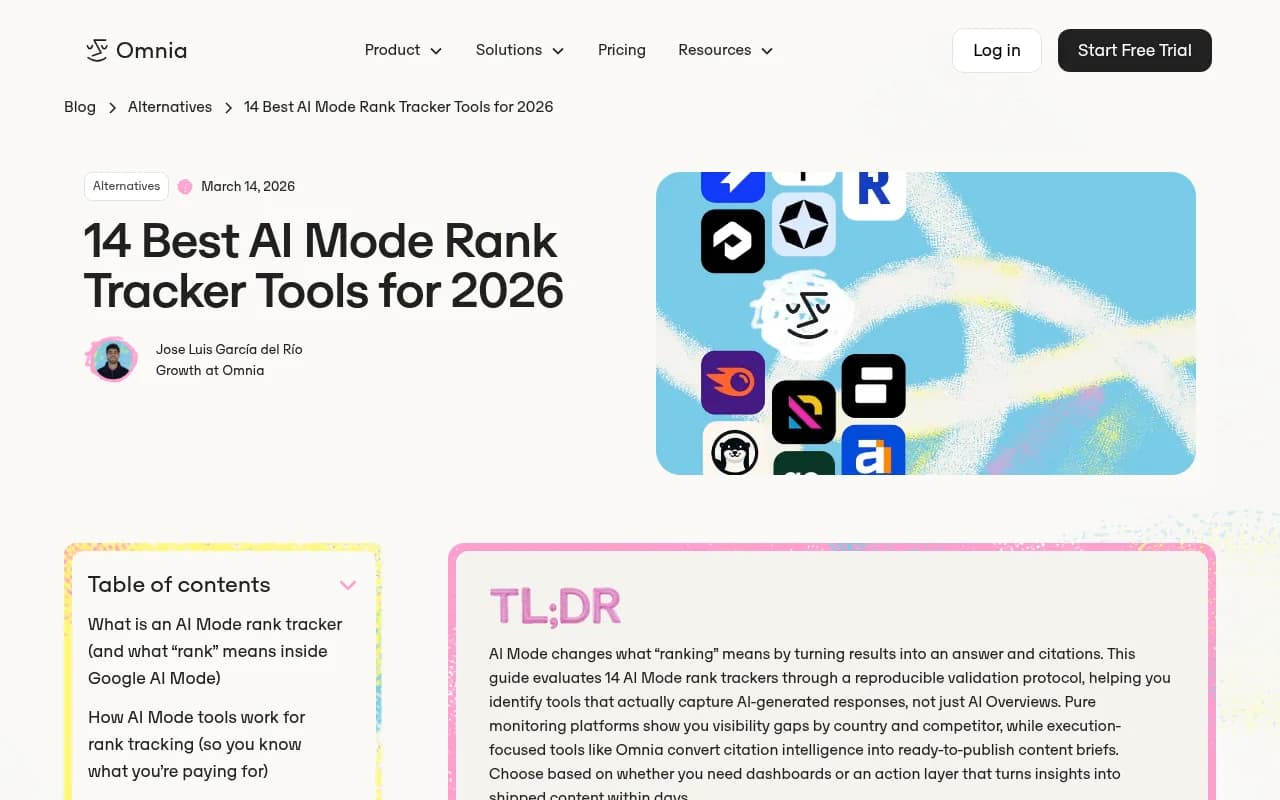
The Omnia guide to AI Mode trackers puts it well: AI Mode abandons the list entirely, and the same query can surface different citations depending on location, device, and timing. That's why position-based tracking becomes unreliable there.
If you're new to the category, the directory at ai-rank-tools.com lists dozens of AI rank tracking tools side by side.
Why "rank" works differently in AI search
This is where the two worlds really diverge, and the numbers make it concrete.
Far fewer winners per answer
A Google results page has 10 blue links plus ads and features. According to Promptwatch Data on average sources per response, ChatGPT cites about 5 sources per web-search answer, while Google AI Overviews and Perplexity cite about 10. Copilot is volatile: its average swung from under 2 to nearly 17 within a few weeks.
So in ChatGPT there are roughly half as many winning slots as on a classic SERP. And Copilot should be judged on monthly trends rather than weekly snapshots.
Answers are crowded, but not uniformly
Promptwatch's unique-domains report (Sep 28 to Oct 4, 2026) found that 47.6% of ChatGPT responses with citations cite 10 or more different domains, and 66.1% cite at least 8. It varies a lot by prompt type though:
| Prompt type | Share citing 10+ domains | Notes |
|---|---|---|
| Organic ("best project management software for small teams") | 52.5% | 71.8% cite 8 or more |
| Competitor comparison ("Asana vs Monday.com") | 49.1% | 66.5% cite 8 or more |
| Brand-specific ("is Asana good for small teams") | 21.3% | Most common count is 5 domains |
The takeaway: being cited is one thing, but you also need to know where you appear in the response and how the model describes you.
One keyword is not one query
In classic SEO, a keyword maps to a results page. In ChatGPT, a prompt triggers query fanouts, separate web searches the model runs behind the scenes. Promptwatch's query fanout data measured an average of 2.15 searches per response in early December 2025, easing to about 1.84 by early March 2026, with fanout queries getting shorter (roughly 53 characters by April). Your content has to match one of the queries the model generates, not the user's literal prompt.
That matters for tracking. A keyword list from your classic tracker won't capture it. You need prompt-level data.
Citation patterns move fast
SERP rankings drift. AI citation patterns can lurch. Promptwatch Data shows reddit.com's share of ChatGPT citations falling from about 4% to 0.5% on August 14, 2026. And on August 8, 2026, ChatGPT started using the site: operator at scale, jumping from about 0.4% to about 17% of fanout queries overnight.
If a model update can erase a whole source category in a day, a monthly manual check won't cut it. You want daily monitoring.
Different engines, different habits
Where AI engines pull from also differs. In Promptwatch's social citation data (Sep 28 to Oct 4, 2026), ChatGPT got 0.46% of its citations from social platforms, while Google AI Overviews got 12.2%. A tracker that only checks one engine gives you a skewed picture.
Head-to-head comparison
| Dimension | Traditional rank tracker | AI rank tracker |
|---|---|---|
| Core metric | Position (1 to 100) | Mention rate, citation rate, share of voice, sentiment |
| Unit of input | Keyword + location + device | Prompt + model + country (and sometimes persona) |
| Result stability | Fairly stable, drifts gradually | Probabilistic, can shift overnight |
| Winning slots | About 10 organic results | About 5 (ChatGPT) to about 10 (AI Overviews, Perplexity) |
| Data source | SERP scraping | Real UI of ChatGPT, AI Overviews, Perplexity, and others (or API calls) |
| Typical cadence | Daily | Daily, across many prompts |
| Click attribution | Search Console, analytics | Needs AI referral tracking; mentions often don't produce clicks |
| Best at | Proving SEO gains, local and mobile tracking | Brand presence in answers, competitor gaps, sentiment |
One thing worth flagging about the data source row: user-facing answers can differ from API outputs. A tool that tracks via API alone may not match what a real person sees in ChatGPT. Ask any vendor which they use.
The local SEO wrinkle
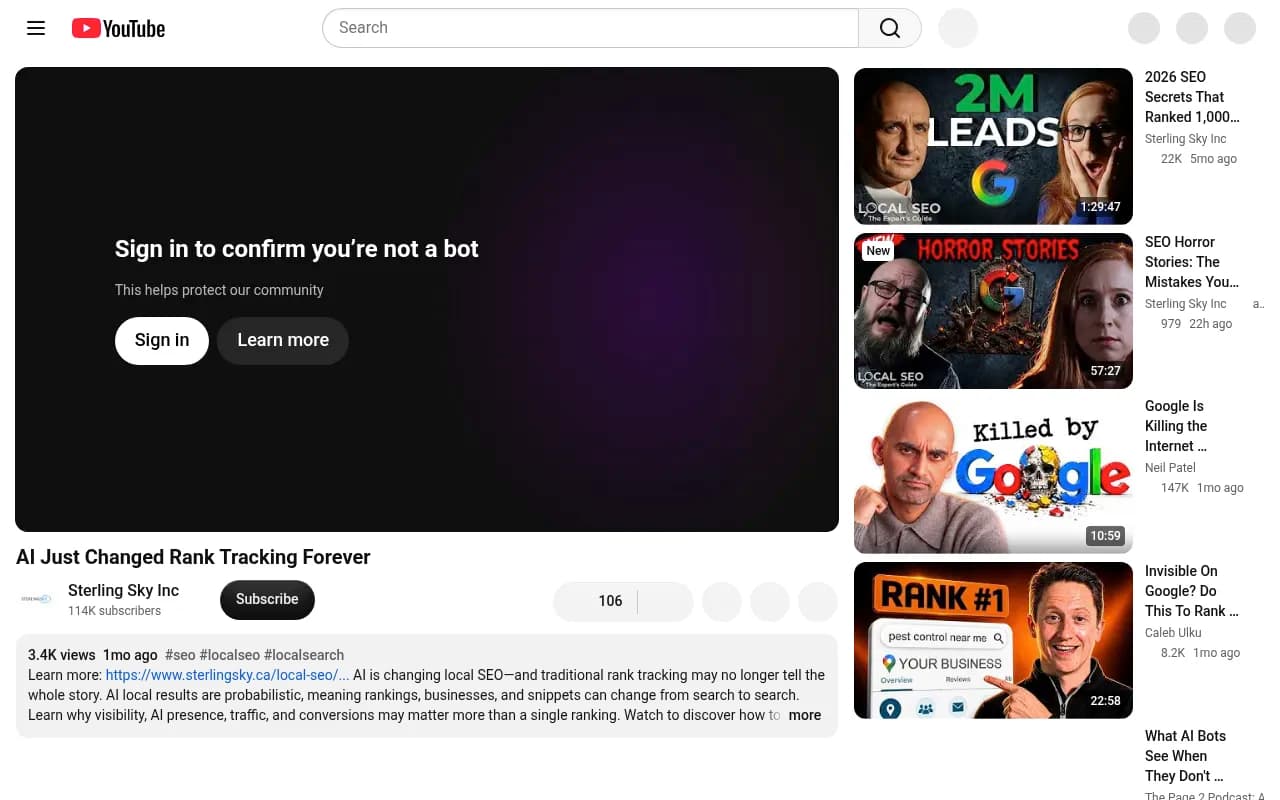
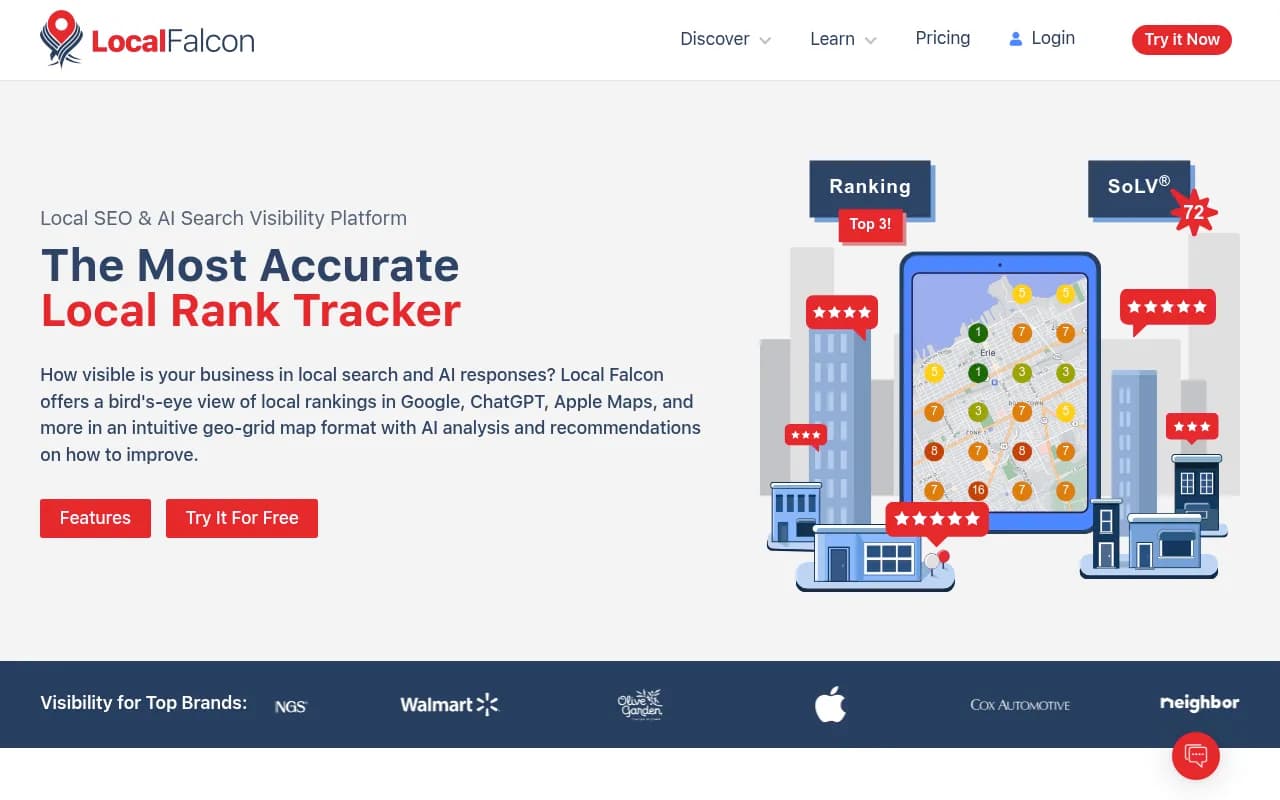
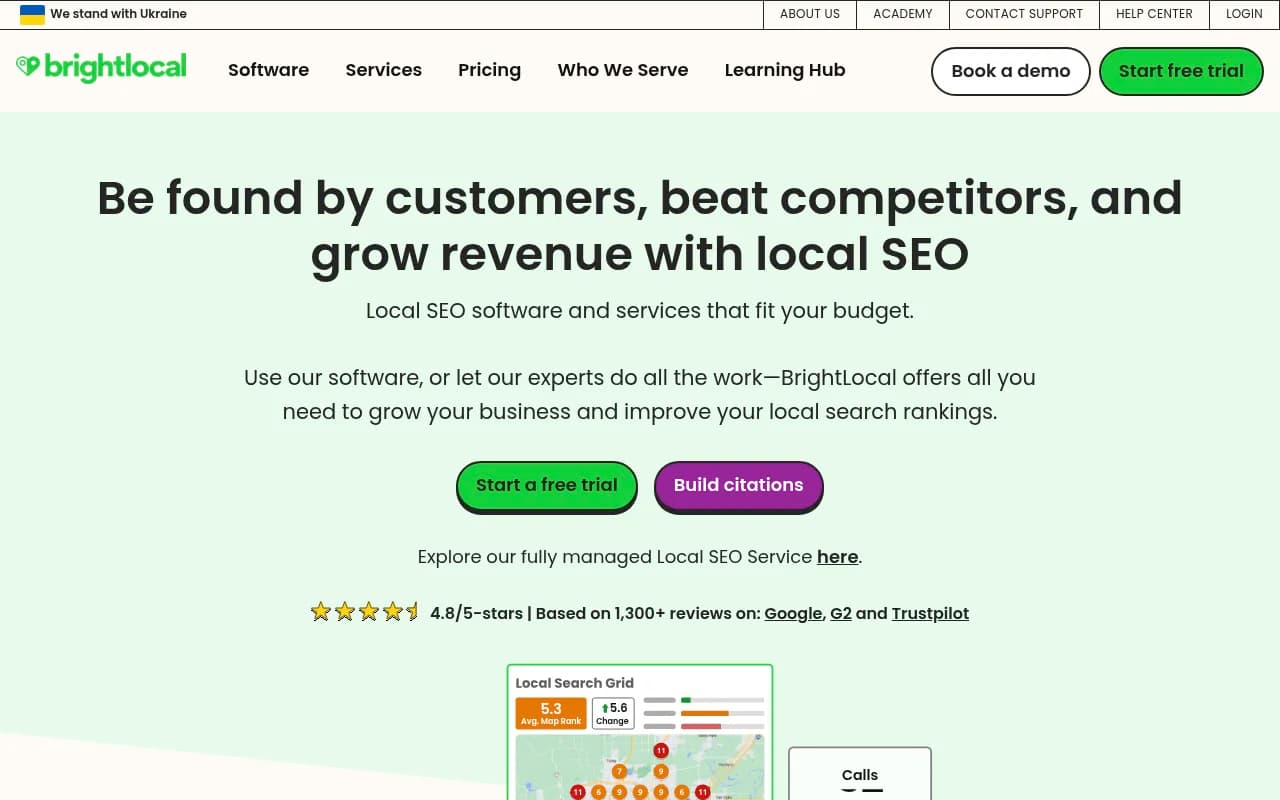
Sterling Sky's recent video on AI and local rank tracking makes a point that's easy to overlook: AI local results are probabilistic, so a single check doesn't mean much. I couldn't pull the full transcript, so I'm relying on the description, but the premise matches what we see elsewhere. Local geo-grid tools like Local Falcon and BrightLocal still matter for map pack tracking, and they don't replace AI checks.
For multi-location brands, it helps to run AI prompts as if asked from specific places. Some AI visibility platforms support pinning monitors to exact coordinates so answers reflect a store's neighborhood.
When you need both (and when you don't)
You can get by with a traditional tracker if
- Your traffic is overwhelmingly from Google organic and your category sees little AI-answer activity
- You're a very small site with a tight budget and no one to act on AI data
- Your buyers don't use chatbots to research the purchase (rare now, but possible in some B2B niches)
Even then, I'd run a free AI visibility scan once a quarter just to see where you stand.
You need both if
- You sell something people ask chatbots about (software, travel, health, finance, products)
- You've seen branded search or direct traffic change and can't explain it
- Your competitors keep getting named in AI answers when you don't
- You report to a client or a CMO who's started asking "what about ChatGPT?"
If you need both and budgets are tight, the getairefs guide's advice is sensible: start with your primary revenue channel, then add the other as a lighter layer.
You may want AI tracking first if
- You already rank well but get few clicks, a pattern many sites see as AI Overviews answer the query directly
- You're a newer brand that can't win classic rankings yet but can earn citations in listicles, docs, or review sites
Choosing the AI side of the stack
The AI tracker market is crowded, and there's a big difference between tools that only answer "was I mentioned?" and tools that help you do something about it.
Monitoring-only trackers
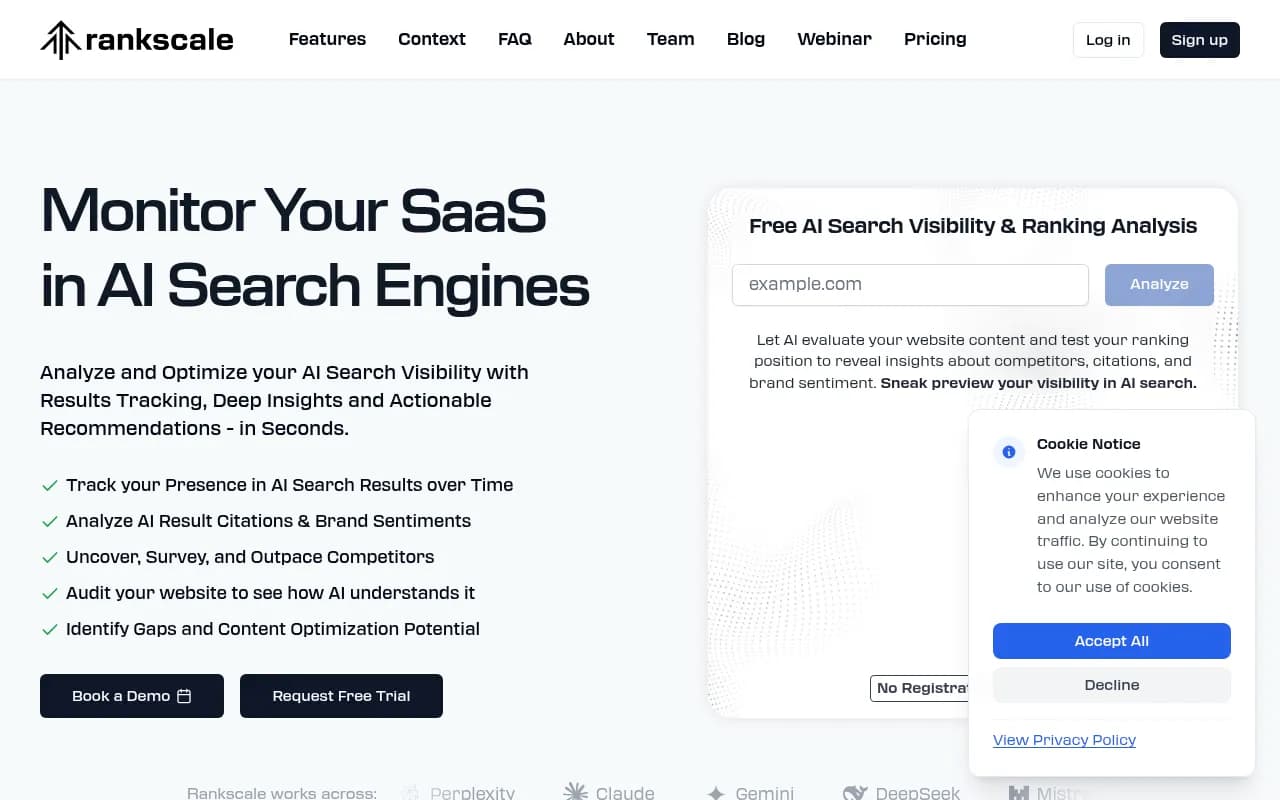
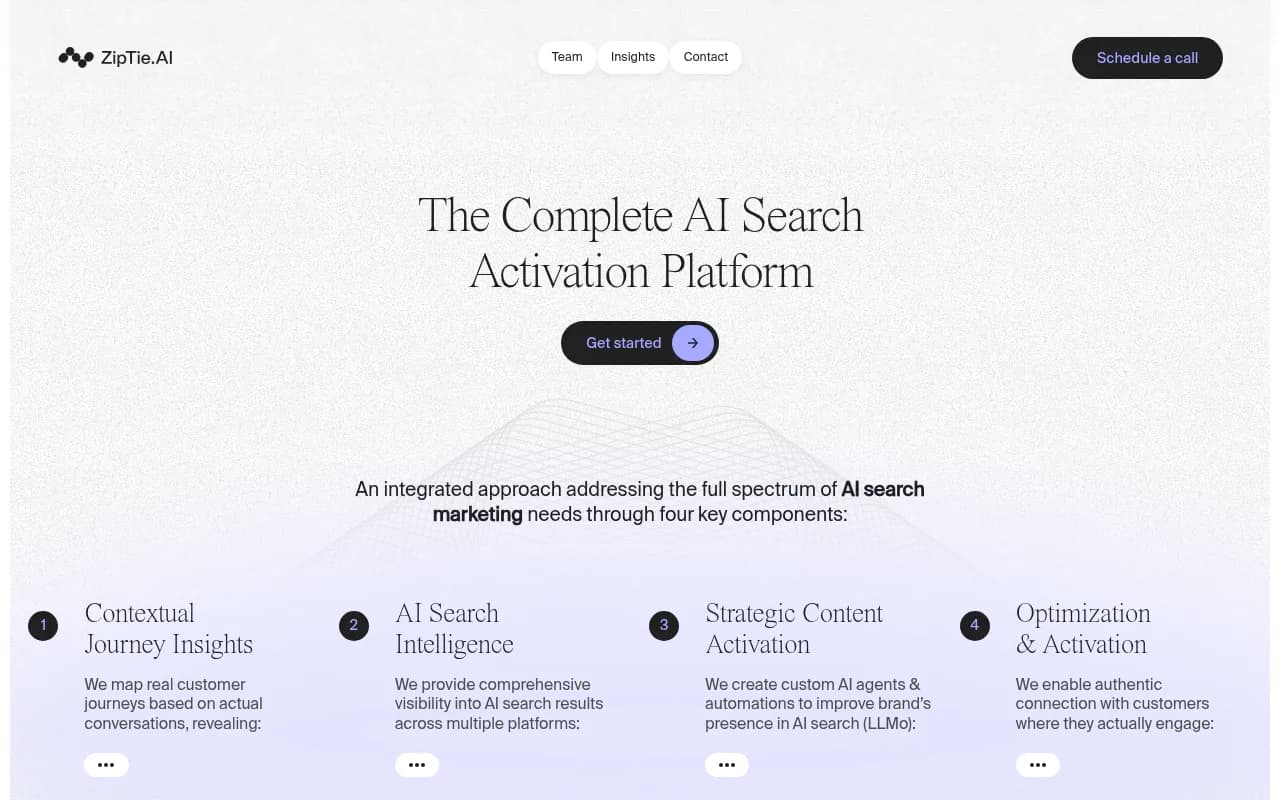
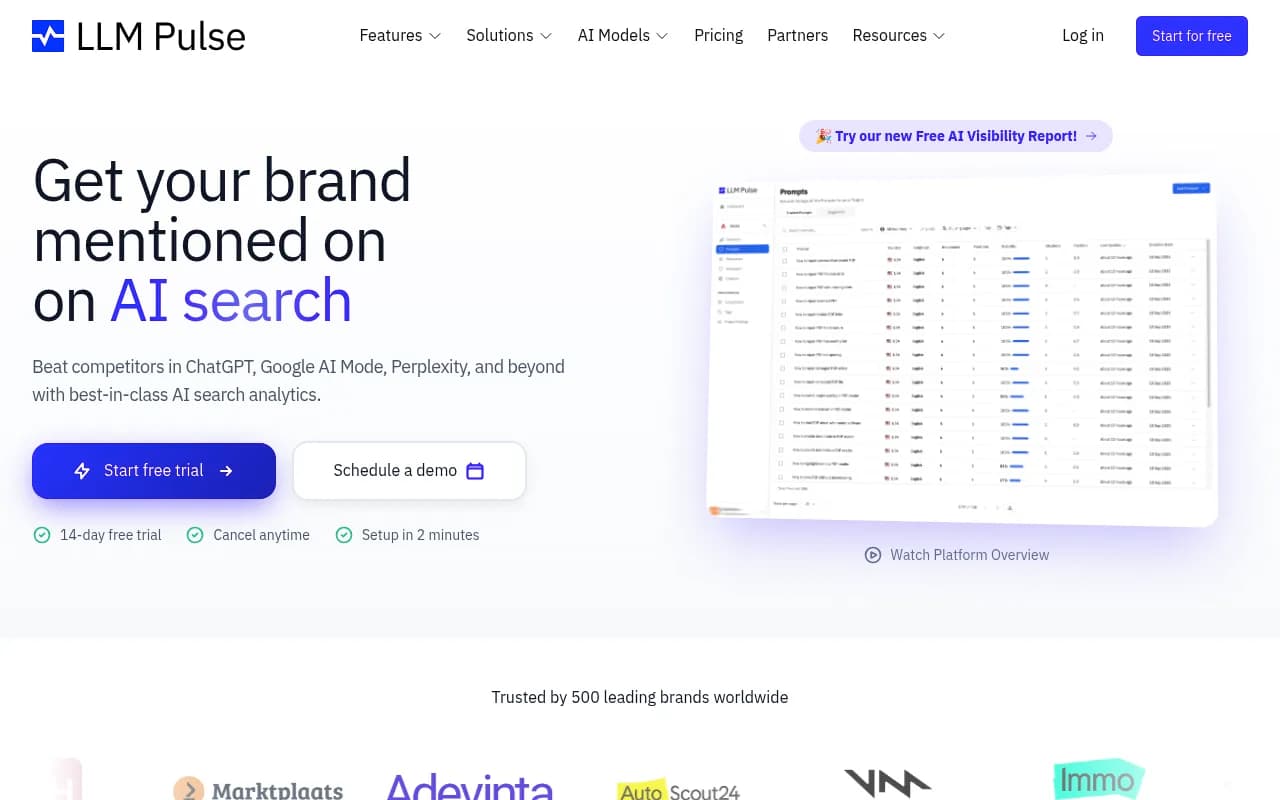
These show prompts, mentions, and competitor comparisons. They're useful for dashboards and cheap to start with. Options include Otterly.AI, Peec AI, Rankscale, ZipTie, and LLM Pulse.
Otterly.AI


Hybrid tools from SEO vendors
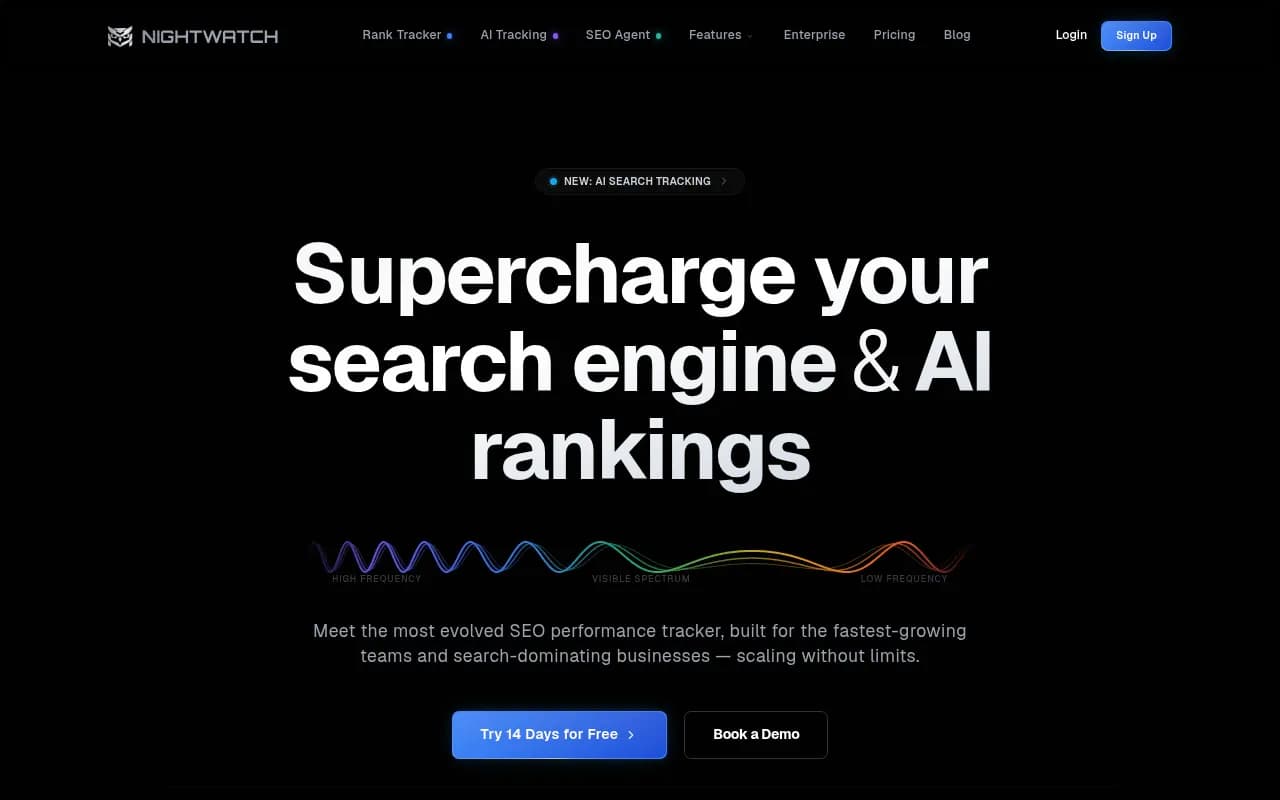
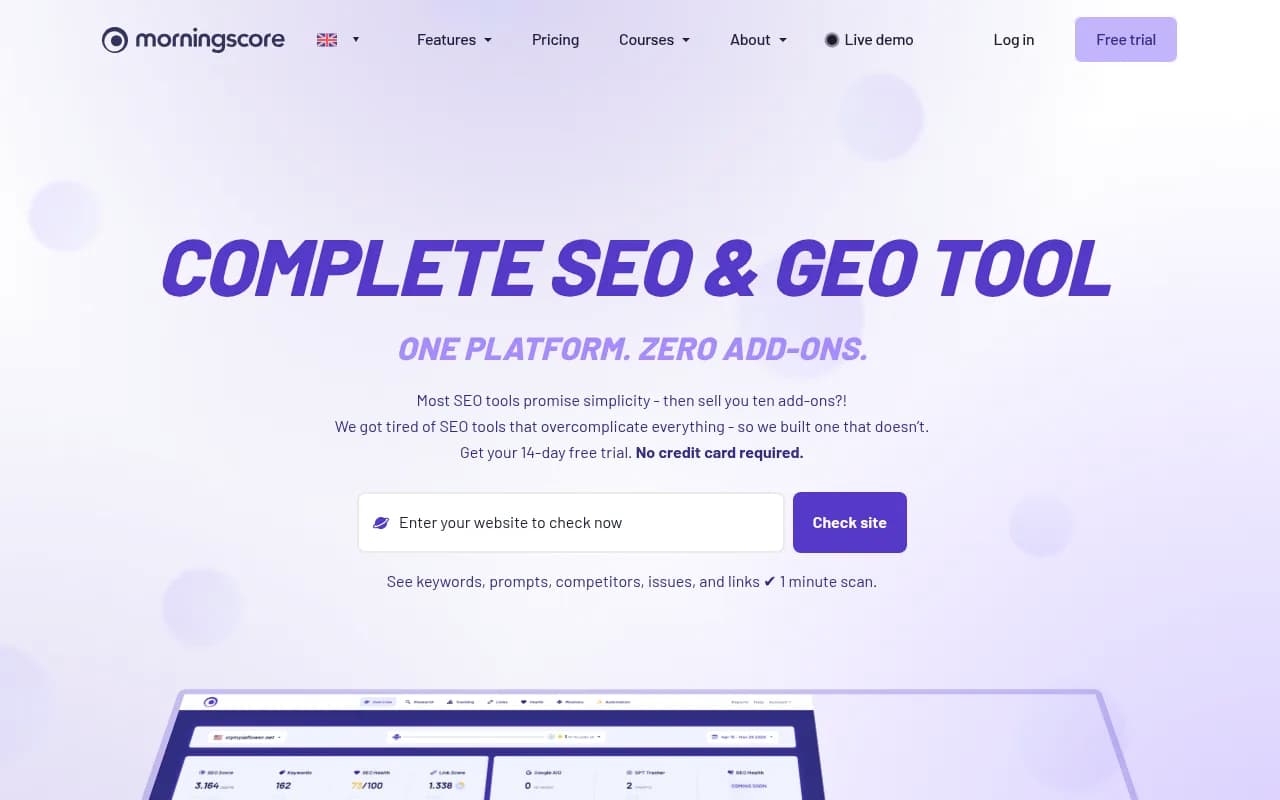
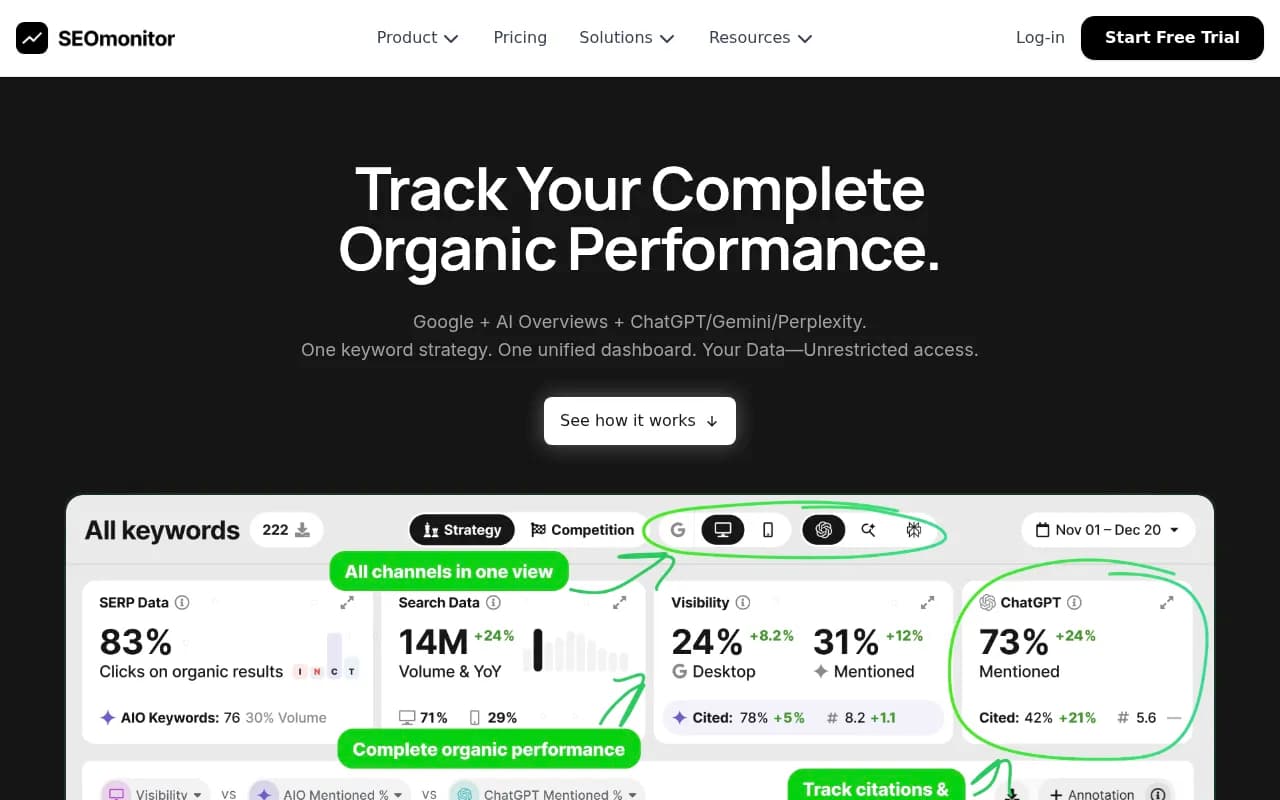
Nightwatch, Morningscore, and SEOmonitor combine classic and AI tracking in one place. That's attractive if you want one login, though the AI depth varies and you should test it yourself.
Enterprise monitoring platforms
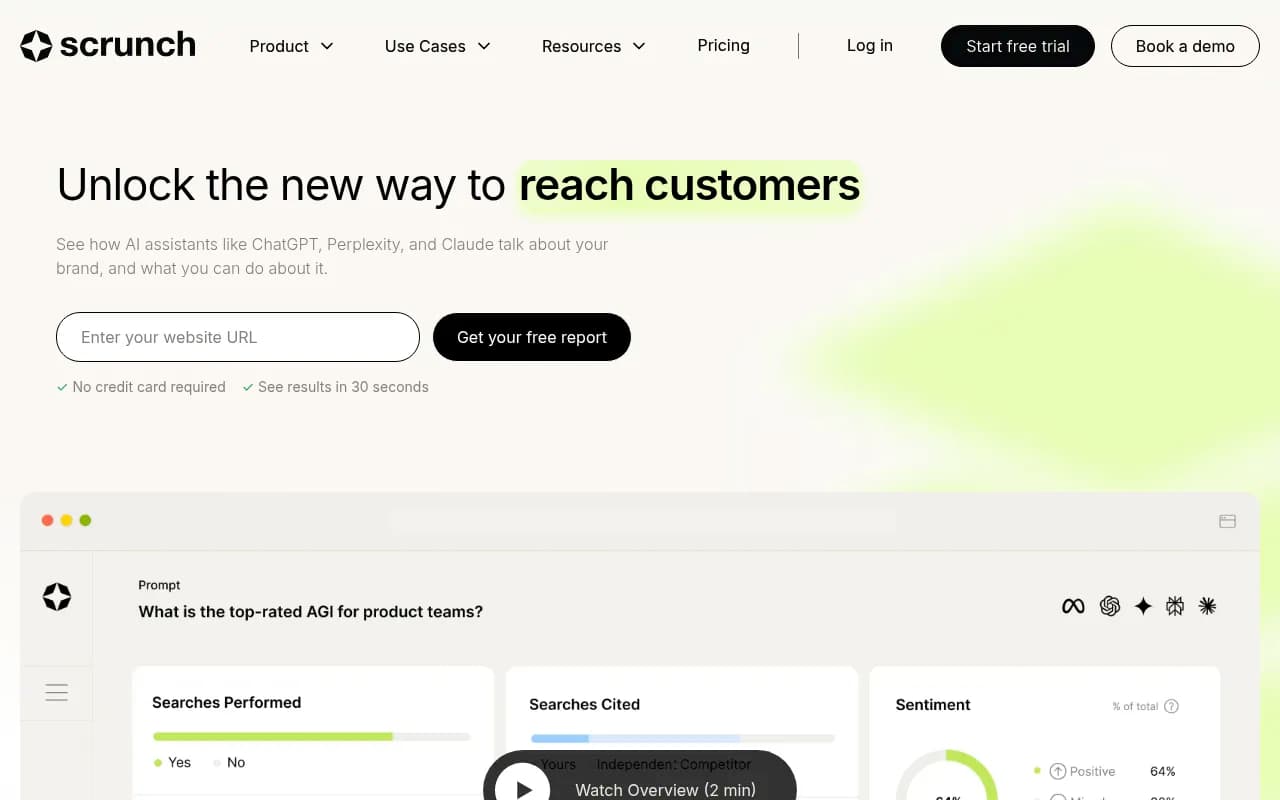
Profound and Scrunch AI sit at the enterprise end, with broad engine coverage and higher price points.
Profound

Platforms that close the loop
This is where I'd spend time if you're serious. Knowing you're invisible is the easy part. The hard part is working out why and fixing it. Promptwatch tracks the real interfaces of ChatGPT, Google AI Overviews, AI Mode, Gemini, Perplexity, Copilot, and others, then adds the layers most trackers skip: IP-verified AI crawler logs (so you can see whether bots even read your pages), AI-referred visitor analytics, and Google Search Console and Bing data next to AI citations. That last bit answers a question neither tool type can alone: which pages rank in Google but never get cited by AI?

It also has an action layer (content gap analysis, a Content Agent that writes and publishes to Webflow, Framer, or WordPress, and an Action Board of prioritized fixes), which is the difference between a tracker and an optimization platform. Pricing starts with a free Explore plan and paid plans from $95/mo; confirm current details at promptwatch.com/pricing.
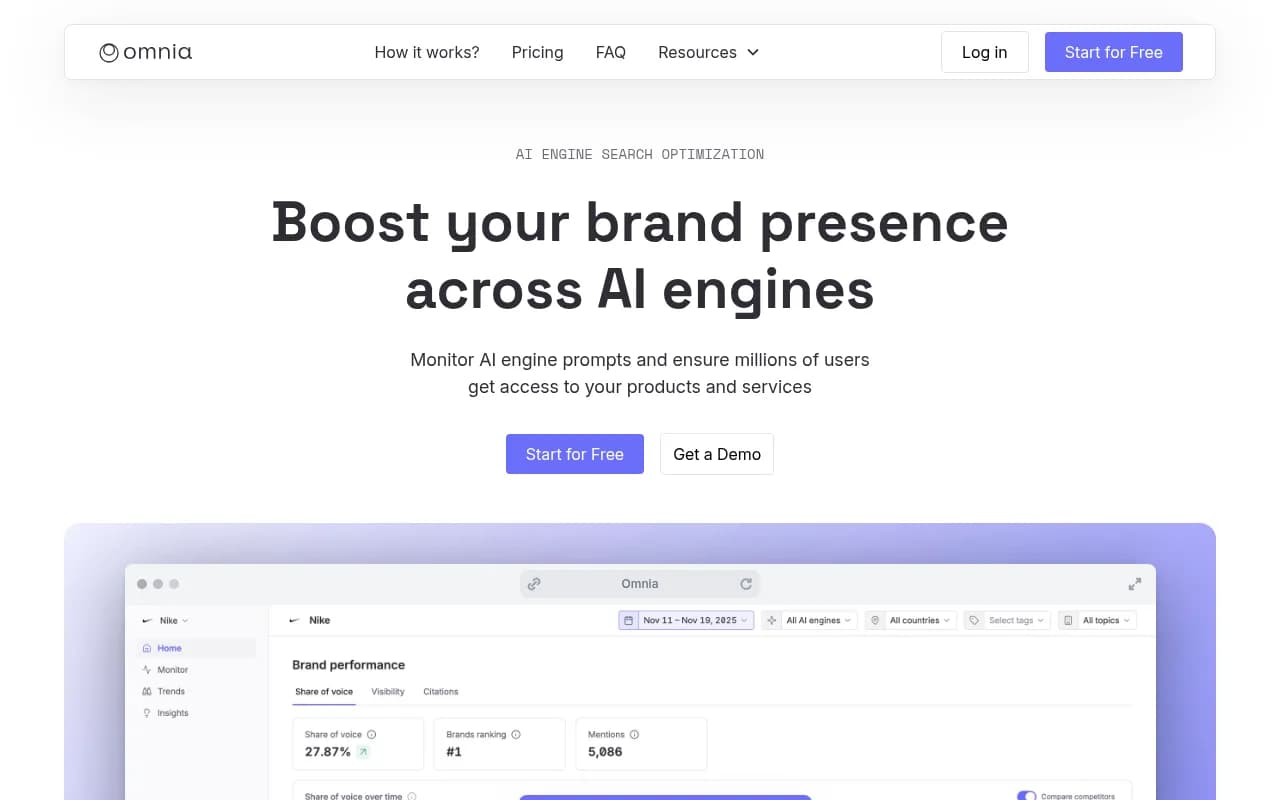
Omnia takes a similar execution-focused angle, converting citation intelligence into content briefs.
For a wider survey, the GEO software directory at bestgeosoftware.com is a decent place to browse.
Quick comparison of the tool types
| Type | Examples | Strength | Watch out for |
|---|---|---|---|
| Classic rank tracker | AccuRanker, Advanced Web Ranking | Accurate positions, local, mobile | No AI answer data |
| SEO suite with AI add-on | Semrush, Ahrefs, SE Ranking | One login, familiar workflow | AI data can be shallow, fixed prompt sets |
| AI monitoring-only | Otterly.AI, Peec AI, Rankscale | Cheap, fast to set up | No crawler logs, traffic, or content help |
| Hybrid | Nightwatch, Morningscore, SEOmonitor | Both views in one place | Depth in each varies |
| End-to-end AI visibility | Promptwatch, Omnia | Insight plus action | More to learn, higher price than basic trackers |
How to test an AI tracker before you buy
The Omnia guide recommends a reproducible validation protocol, and it's good advice. Here's a lighter version:
- Pick 10 prompts you know matter, a mix of organic, competitor comparison, and brand-specific.
- Run them by hand in ChatGPT, Perplexity, and Google AI Mode from the country you care about.
- Run the same prompts in the tracker.
- Compare. If the tool's cited sources and brand mentions don't roughly match what you saw, ask whether it uses the real UI or an API.
- Check whether results repeat day to day. Wild swings on a stable prompt are a red flag, or just the engine's natural noise. Perplexity's steady citation count makes it a useful test bench.
Also ask what the tool does after it shows a gap. If the answer is "export a CSV," you're buying a dashboard.
A practical setup for 2026
Here's what I'd run for most marketing teams:
- Keep your existing classic tracker for core keywords, local, and mobile. Don't rip it out.
- Add one AI visibility platform with real-UI tracking, a few hundred prompts, and country-level coverage.
- Connect Google Search Console (it's free) and, ideally, Bing Webmaster Tools, so you can compare classic and AI performance per page.
- Track AI referral traffic in analytics so mentions connect to sessions and conversions.
- Review weekly, not daily. Look at trends across prompt groups, not single prompt results.
- Re-audit after major model updates. Promptwatch's content half-life report found news pages lose half their ChatGPT citations within 36 days, while landing pages and docs last longest, so freshness decisions differ by content type.
On content: Promptwatch's content type data shows product pages are the most cited type in ChatGPT (22.4% of citations, Sep 28 to Oct 4, 2026). If your classic rank tracking only watches blog posts, you may be missing the pages that actually earn citations.
The bottom line
Traditional trackers tell you where you stand in a list. AI trackers tell you whether you're part of the answer. In 2026 both questions matter, and neither tool can answer the other's question. Keep the classic tracker you trust, add an AI visibility layer that goes beyond mentions into crawlers, traffic, and fixes, and judge it by whether it changes what you publish next week.