Key takeaways
- Local SEO in 2026 has two jobs: ranking in the map pack and getting named when someone asks ChatGPT or Google AI Overviews for "the best plumber near me." Most tools cover only one.
- For single-location businesses, BrightLocal, Localo, and Local Falcon cover the basics for under $100 a month combined. Semrush Local makes sense if you already live in Semrush.
- Multi-location brands should model costs at the location count they expect in two years. Per-location pricing climbs fast.
- AI answers pull from many sources. Promptwatch Data shows 47.6% of ChatGPT responses cite 10 or more domains, so reviews, directories, and roundups matter as much as your own site.
- Benchmark first with free credits and checkers, then pay for management tools.
What changed for local SEO in 2026
Local SEO used to be a fairly tidy checklist: claim your Google Business Profile, build citations, collect reviews, watch your map rankings. That checklist still matters. But customers now also ask ChatGPT, Perplexity and Google's AI features to recommend a cafe, a clinic or a roofer, and the answer they get is a short list pulled from several places at once.
That splits the tooling into four groups:
- Local rank tracking and geo-grids (where do you show up on the map?)
- Listing, citation and review management (is your data consistent and are people vouching for you?)
- General SEO platforms (keywords, audits, content)
- AI visibility tracking (are you named in AI answers?)
No single product does all four well. I'd rather tell you that up front than pretend one platform replaces everything.
A note on the numbers below: local SEO tool prices come from third-party roundups, not vendor pricing pages, and they change often. Check each vendor before you buy.
Quick comparison
| Tool | Best for | Starting price (approx.) | AI angle |
|---|---|---|---|
| BrightLocal | Single and small multi-location | ~$39/mo per location | Local rank tracking, citations, reviews |
| Semrush Local | Teams already on Semrush | $30/location/mo (annual) | GBP AI Agent, auto posts, review replies |
| Localo | Owners who don't do SEO | $39/mo (annual) | AI weekly task list |
| Local Falcon | Geo-grid measurement | $24.99/mo | Also measures AI visibility |
| Whitespark | Citation work | Modular, from $1/location | Citation Finder |
| Synup | Agencies, multi-location | $79/mo (annual) | API and MCP |
| Promptwatch | AI search visibility | See promptwatch.com/pricing | Tracks and fixes AI visibility |
Local rank tracking and listing tools
BrightLocal
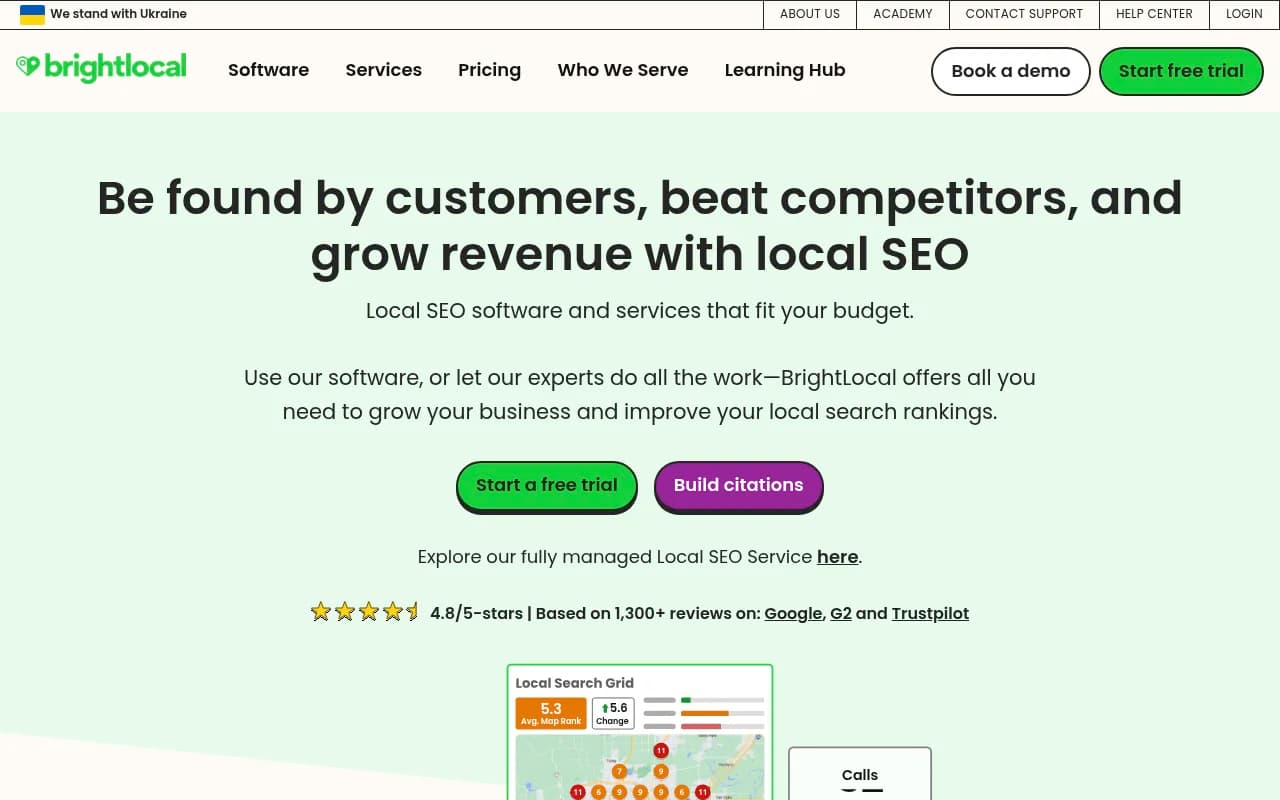
BrightLocal is the one I'd point most single-location owners to first. It covers audits, the Local Search Grid, citations, Google Business Profile analysis, reviews and white-label reporting. One roundup (Technova) scored it highest of the local platforms it tested, at 22.5 out of 25.
Pricing varies by source: plans listed at $41, $54 and $65 a month for one location, or around $39 a month ($29 on annual billing) in another comparison. Citation Builder is pay-as-you-go from $2 per citation, and there's a 14-day trial with no card. Veza Digital's roundup calls it "a clear choice" if local search matters to you and of little value otherwise, which is fair.
Semrush Local
Semrush Local comes in two flavors. Local Base is $30 per location a month on annual billing and includes a Google Business Profile AI agent, automated post generation and publishing, review auto-replies, photo posting, description optimization and Map Rank Tracker credits (375). Local Pro is $60 per location a month and adds listing management across 70+ directories, review generation, bulk profile controls and 1,225 tracker credits.
The catch is per-location pricing. Five locations on Pro is $300 a month before anything else. It works best for teams already on Semrush. Standalone single-location businesses often get better value elsewhere.
Localo
Localo is pitched at owners who would rather not learn SEO. It gives you an AI-generated weekly task list, review management and a geo-grid tracker, at $39 a month billed annually for one profile (Pro covers up to 60 profiles at $149). There's a 14-day trial and a 30-day money-back guarantee. It reportedly holds a 4.9 G2 rating across 130+ reviews. Localo isn't in our tools catalog, so check its site directly.
Local Falcon
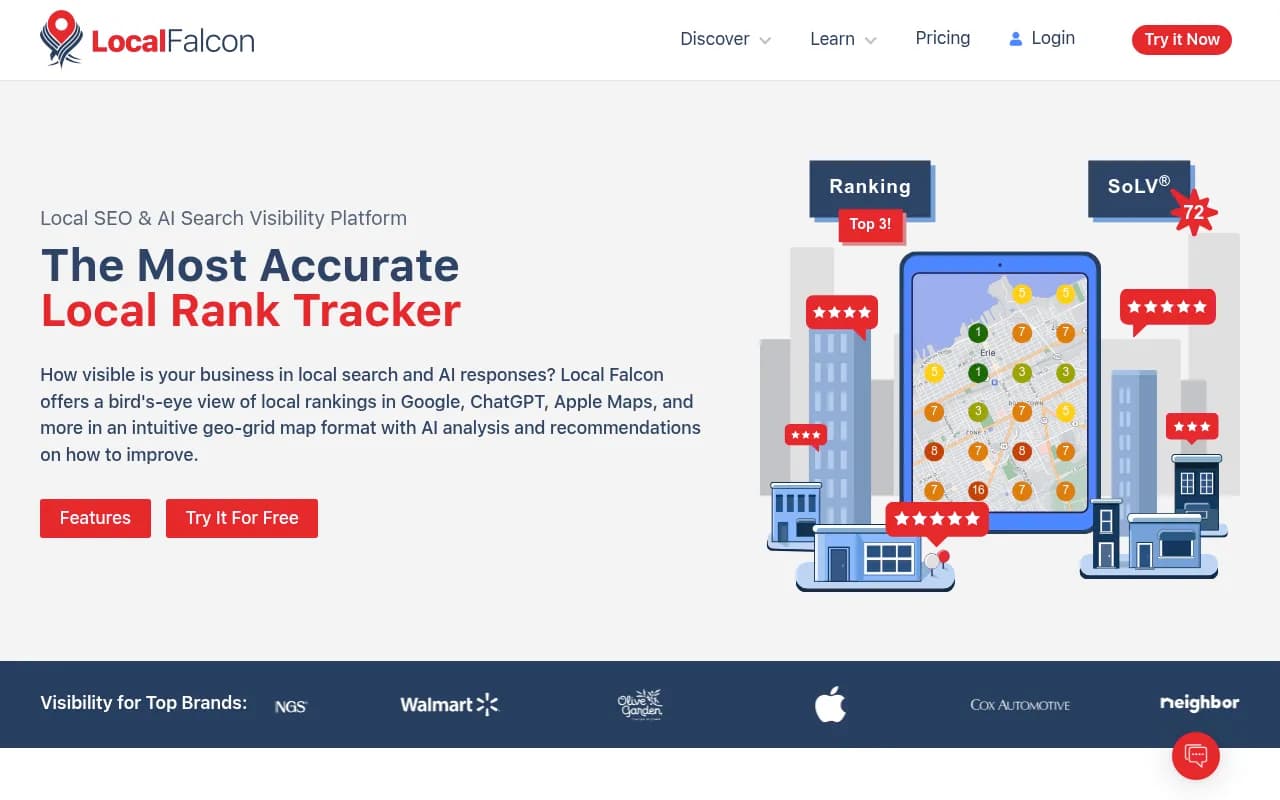
Local Falcon does one thing: geo-grid rank tracking. You drop a grid over your service area and see where you appear on the map at each point. It costs $24.99 a month for 7,500 credits, a 5x5 grid scan costs 25 credits, and signup includes 100 free credits. It has no reviews, citations or posting, so treat it as a measurement layer next to a management tool. It also reports on AI visibility, which is handy.
Whitespark
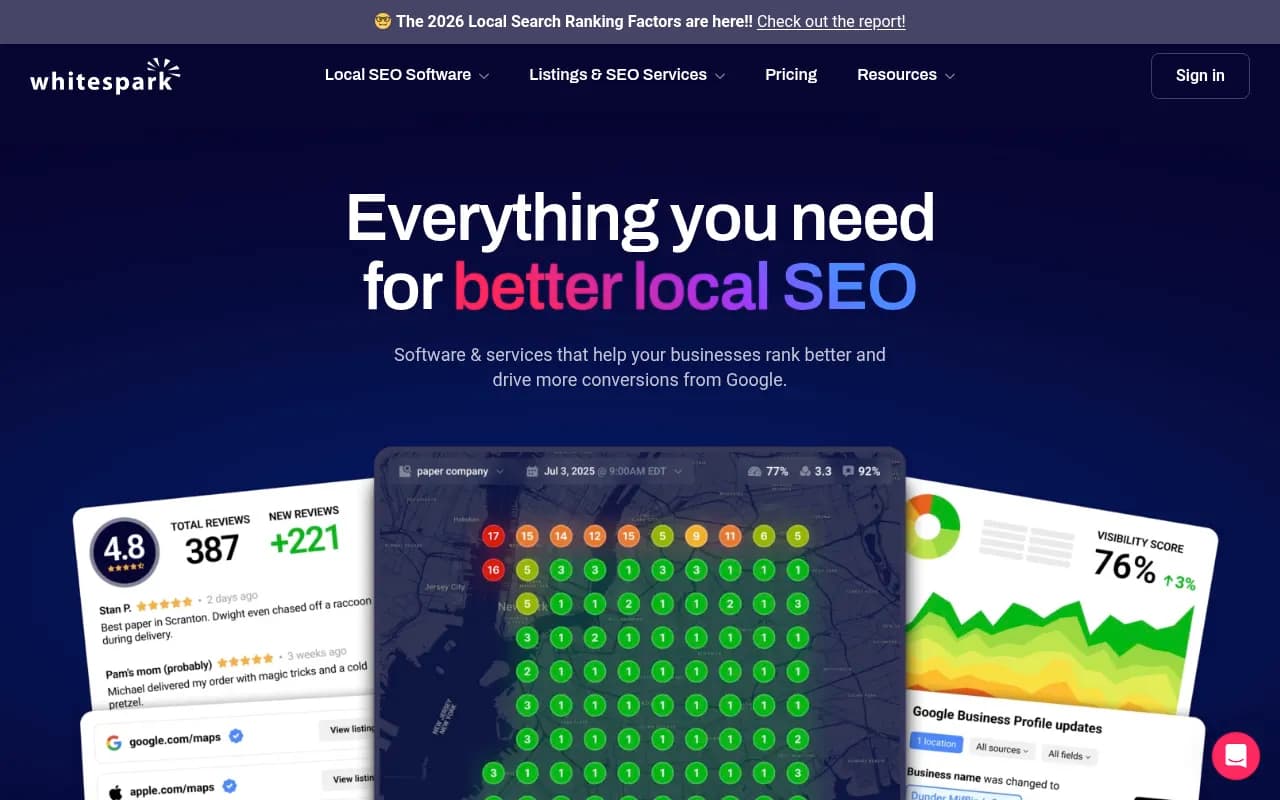
Whitespark is the citation specialist. Pricing is modular: the Local Platform starts at $1 per location per month, Ranking Grids from $10, Rank Tracker from $14, Reputation Builder at $79 per location, and Citation Finder at $33 to $149 a month. One-time citation packages run from $20 to $999. It's excellent at its job, but the modules add up to a stack of separate subscriptions, so price the whole bundle.
Synup, Moz Local, Yext and Uberall
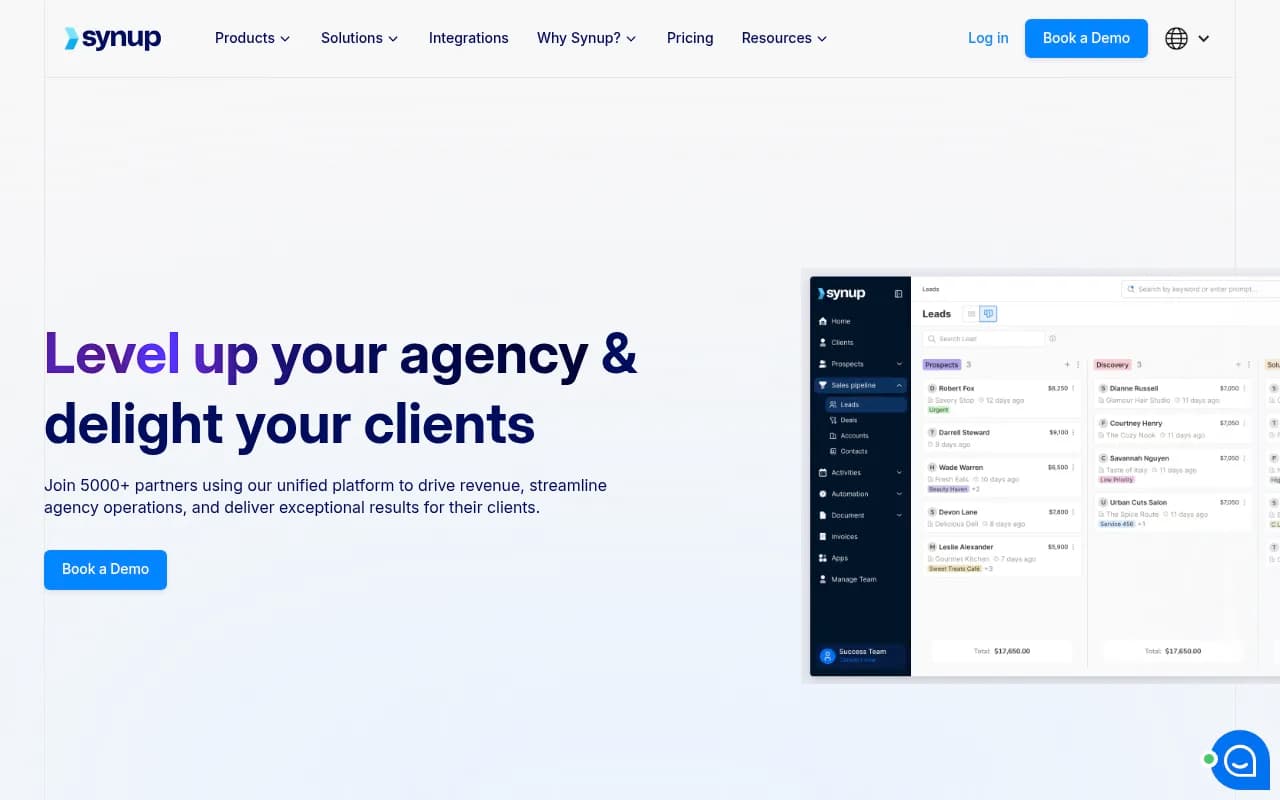
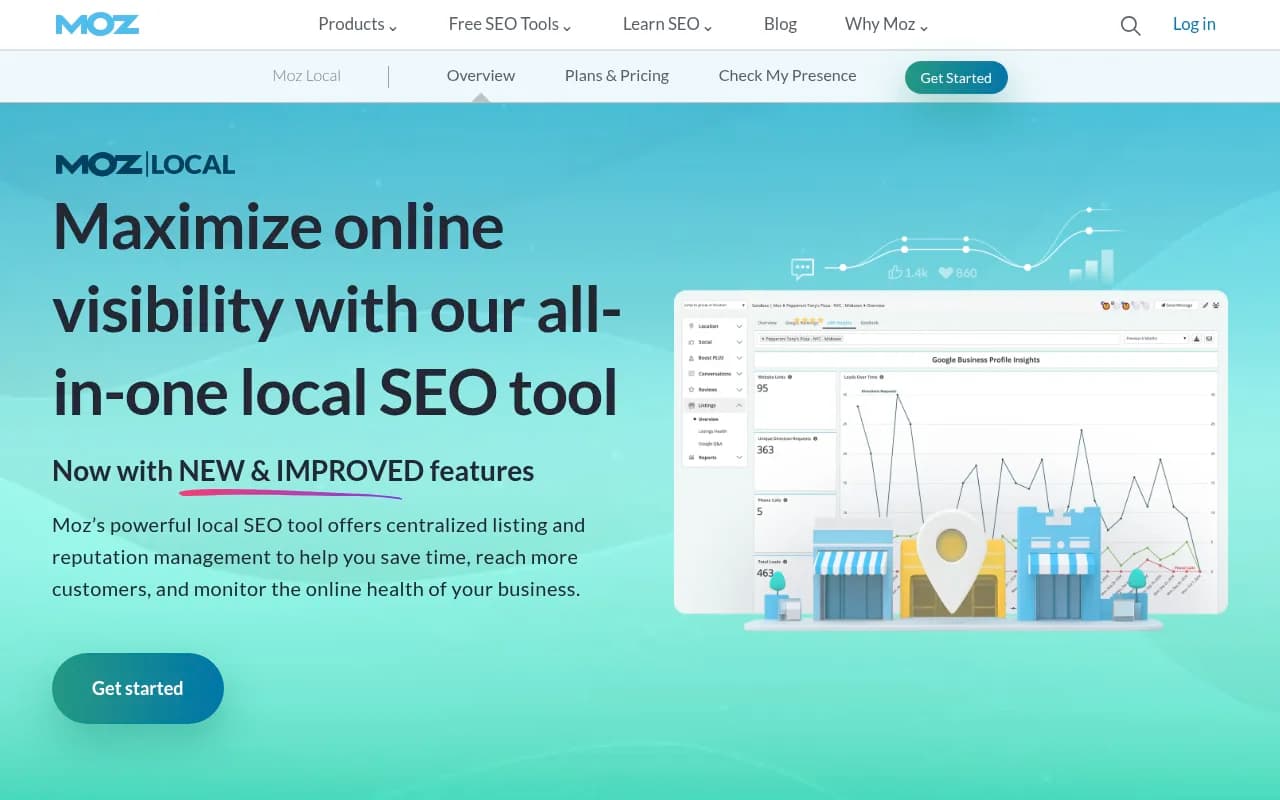
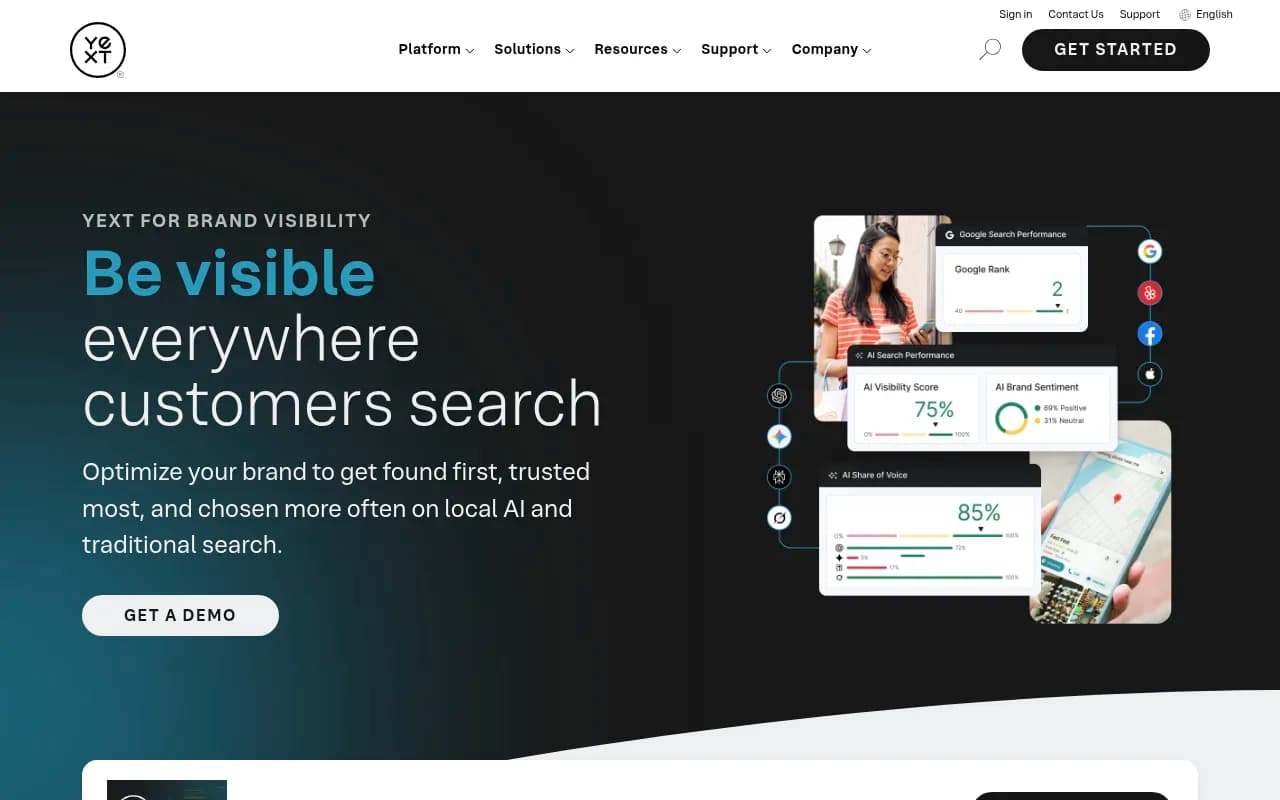
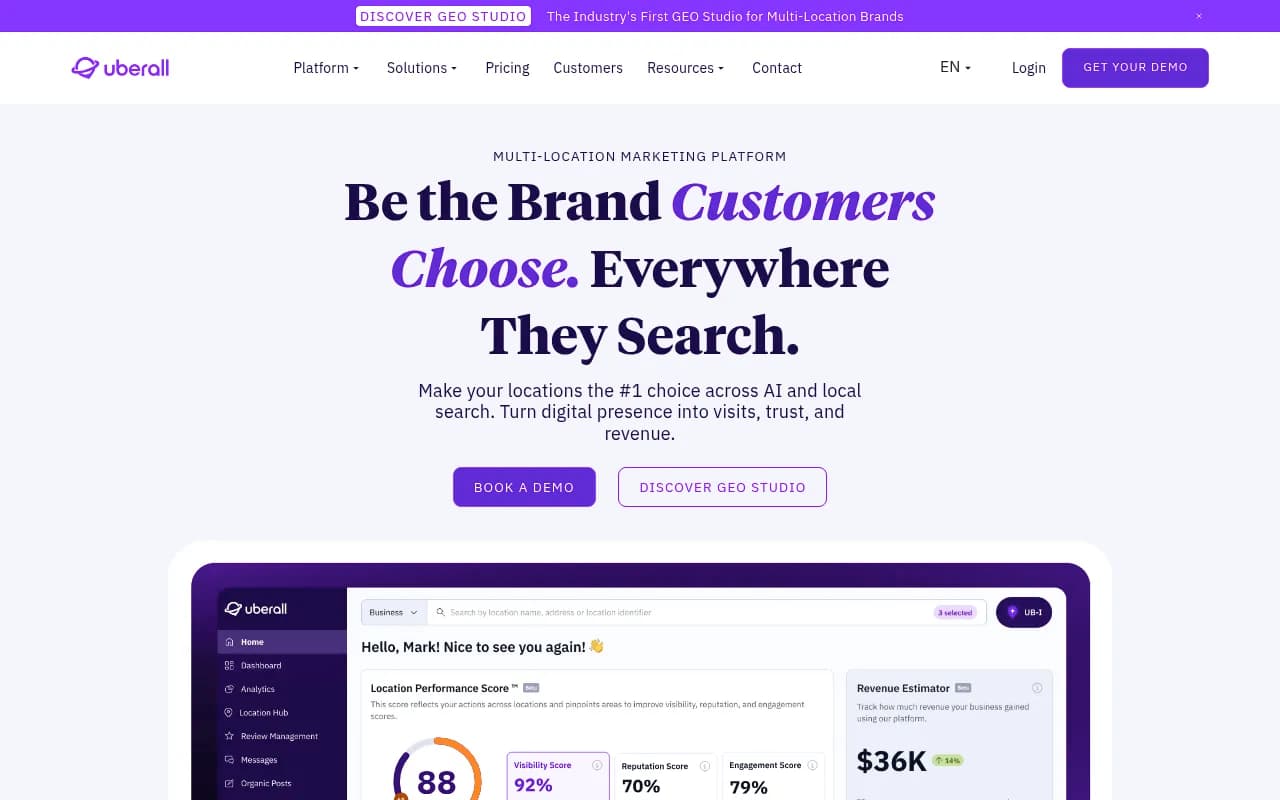
Synup is built for agencies and multi-location teams: $79 a month (annual) for the OS plan or Listings Pro at $35 per location, with white-label reporting. Moz Local runs roughly $16 per location a month. Yext (200+ publisher integrations) and Uberall (150+ directories) are enterprise and sales-led, so expect a demo call, not a pricing page.
For multi-location reputation and local marketing automation, Chatmeter, Reputation, SOCi and Birdeye are also in the catalog.
General SEO platforms that help local sites
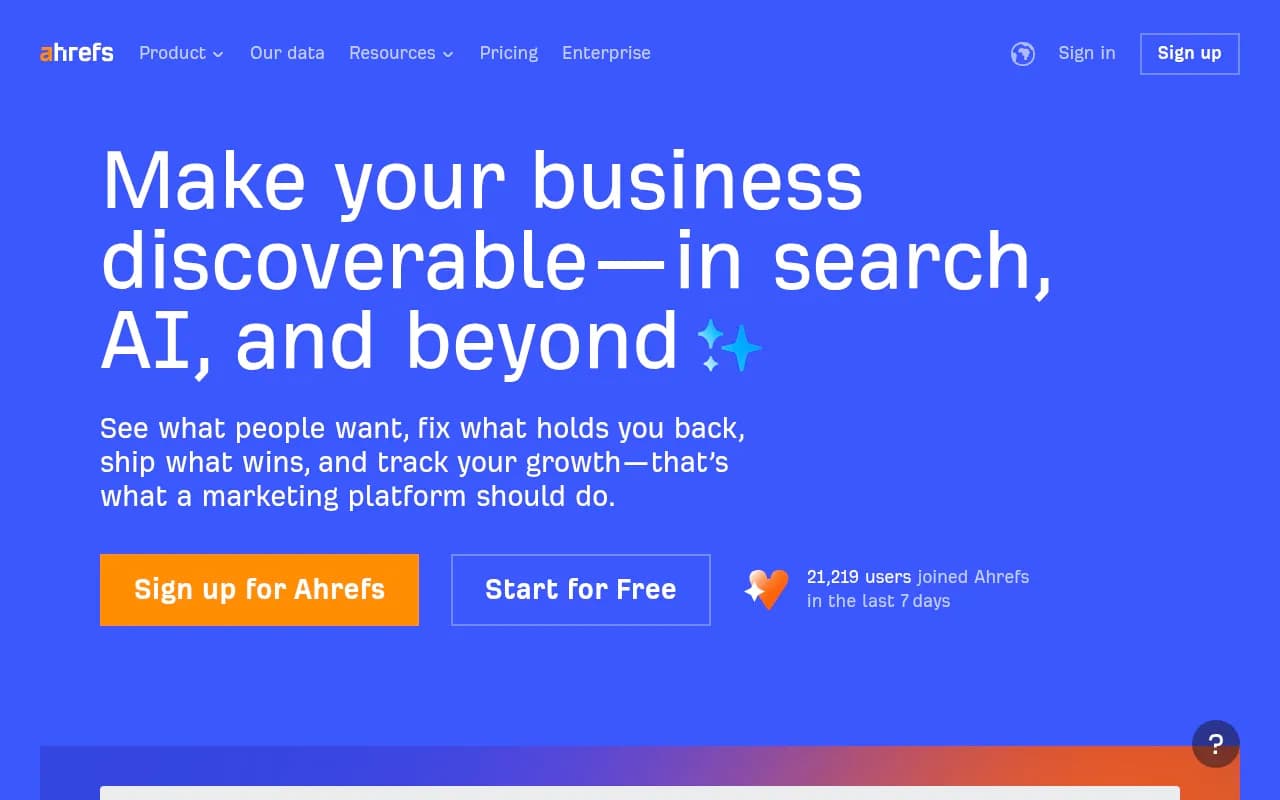
Local tools won't write your service pages or fix your site speed. For that you need a general platform. Redditors on r/localseo generally suggest Semrush or Ahrefs for research and audits, and Whitespark or BrightLocal for citations. That split is sensible.
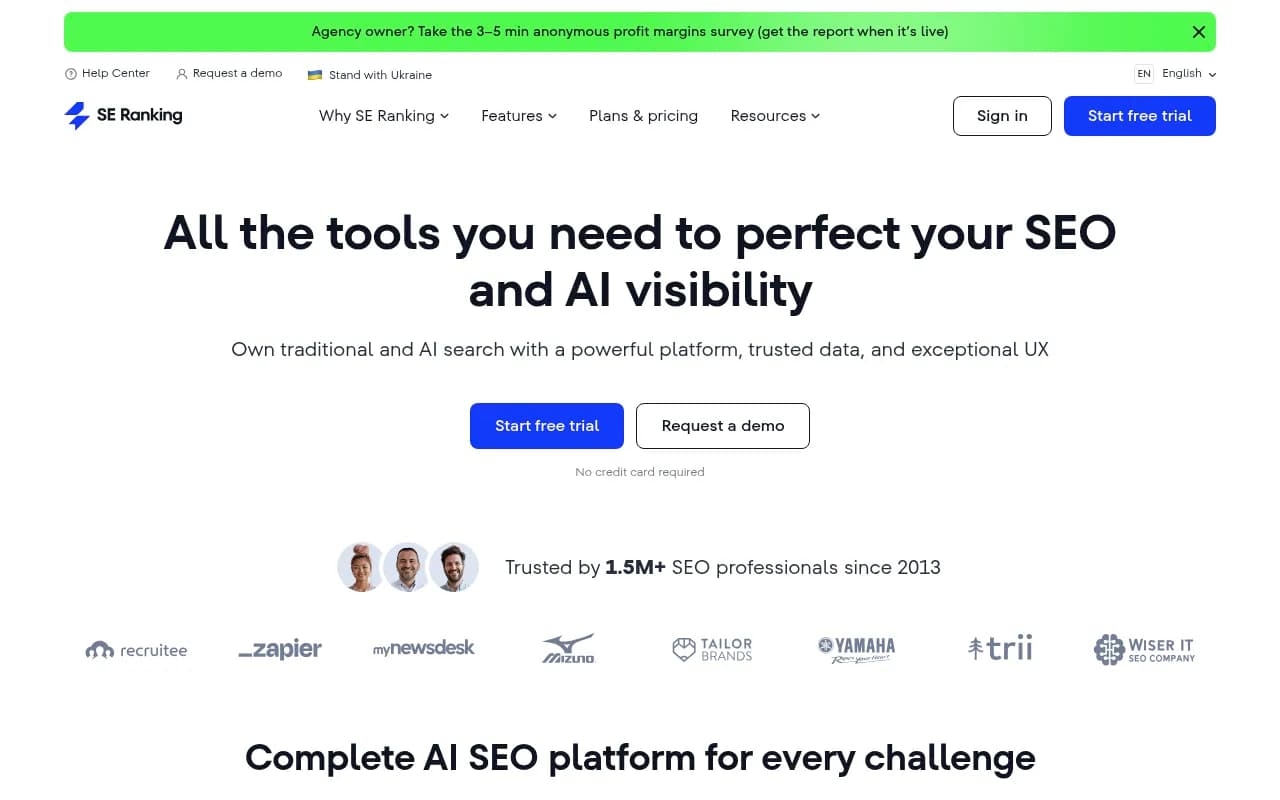
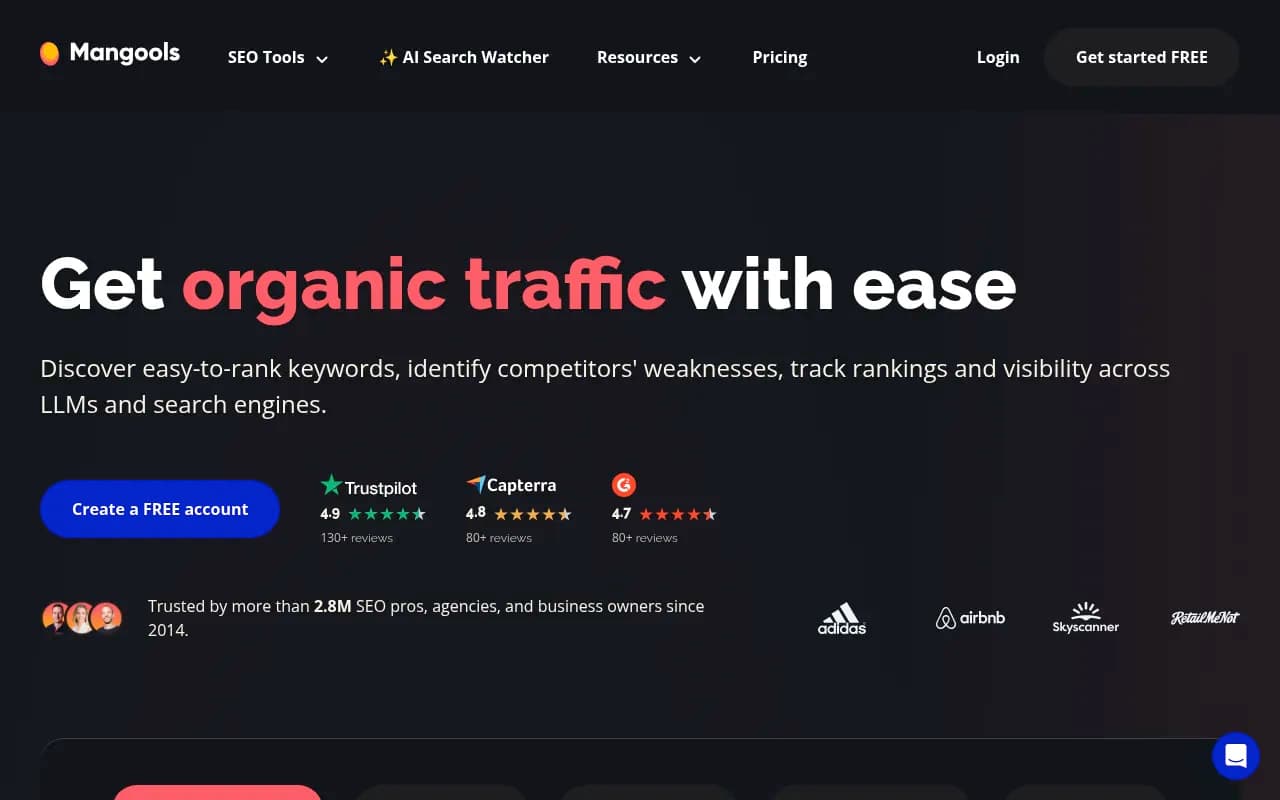
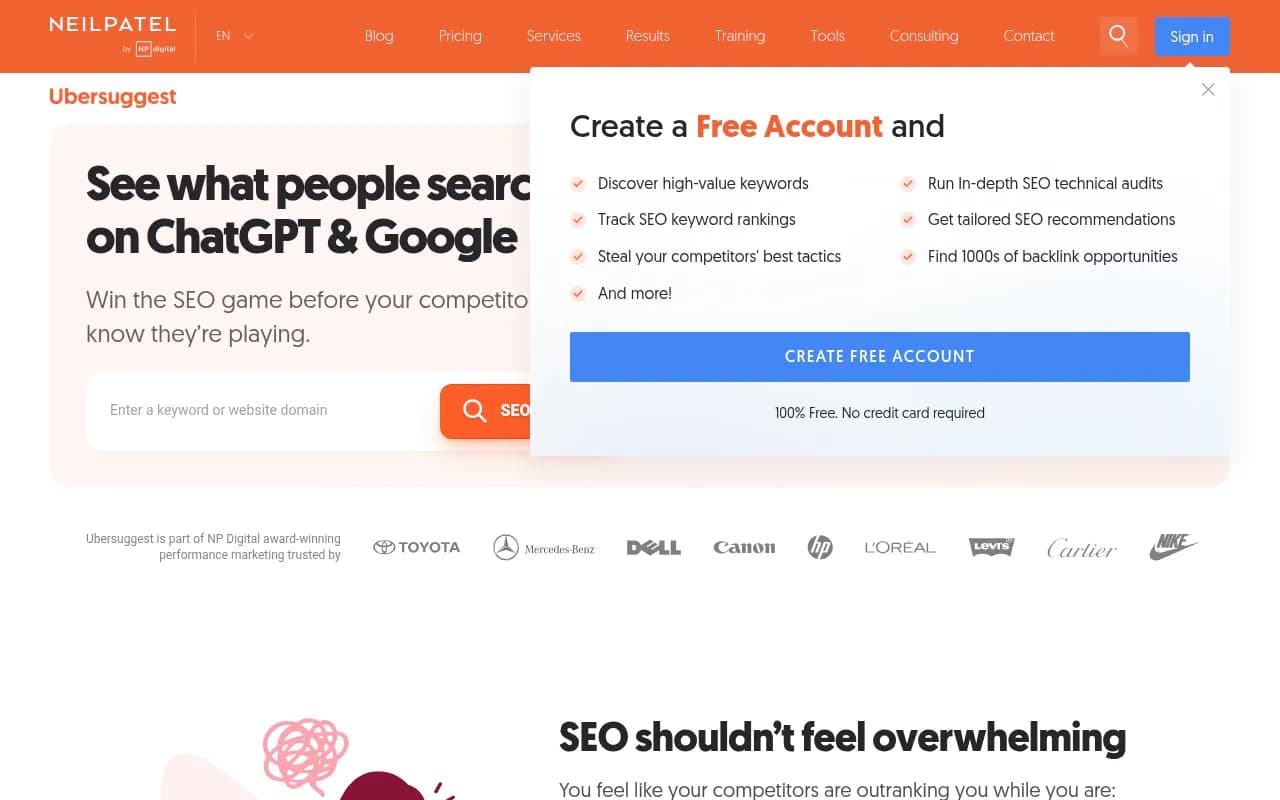
SE Ranking is a decent middle option (about €87 a month including three locations), though per-profile add-ons can raise the bill. For tighter budgets, Mangools and Ubersuggest cover keyword research, and Google Search Console is free and tells you what your site actually ranks for.
One Reddit comment quoted in the eesel guide is worth repeating: you can do about 80% of small-business AI SEO with ChatGPT, Search Console data and a clear grasp of search intent, and people buy tools before they understand intent. I mostly agree. Tools save time. They don't replace knowing what your customers type.
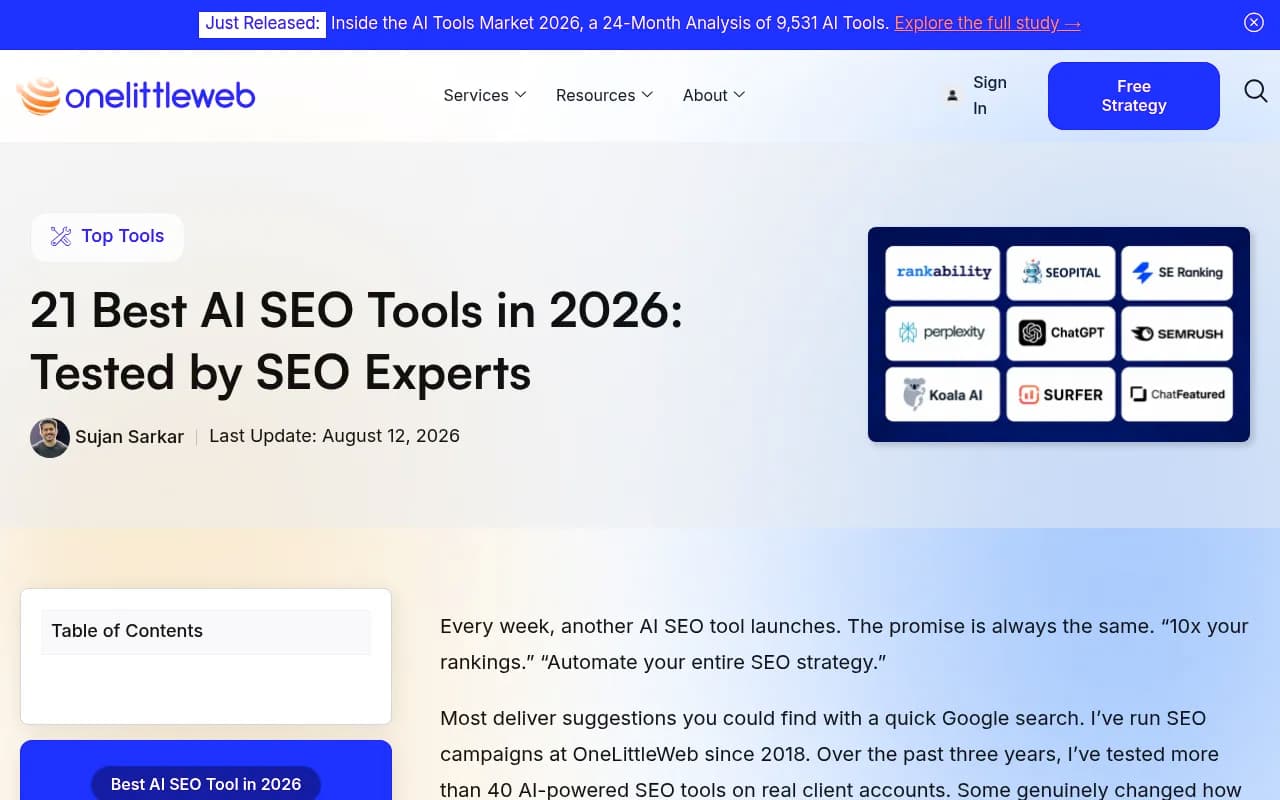
General roundups like the one above are a useful starting point for the broader SEO tool market, but few of them treat local as a separate problem. That's why the local-specific tools earlier in this guide matter.
Getting named in AI answers
This is the newer piece, and the one most local businesses skip.
When someone asks ChatGPT for the best dentist in their city, the response draws on many pages. According to Promptwatch Data (Sep 28 to Oct 4, 2026), 47.6% of ChatGPT responses cite 10 or more unique domains, and for non-branded prompts that rises to 52.5%. Only 6% cite three domains or fewer. In plain terms: you share every answer with a crowd, and third-party listicles, review sites and directories are often how a local brand gets in.
Branded queries behave differently. Only 21.3% of brand-specific prompts cite 10 or more domains, and the most common count is five. The few sources cited carry more weight, so what your own site and review profiles say matters a lot when someone searches your name.
The content-type data points the same way. In Promptwatch's content type report, product pages are 22.4% of ChatGPT citations and landing pages 16.8%. For commercial prompts such as "best X for small businesses," product pages reach 26.0% and landing pages 20.6%. Reviews are only 1.7% overall but 5.6% on branded prompts, more than three times their overall share. Practical takeaways for a local business:
- Keep service and location pages factual, with pricing, hours and positioning stated plainly.
- Add an FAQ page.
- Collect reviews on trusted sites.
- Get listed in "best of" roundups in your area.
Content freshness matters too. Per Promptwatch's content half-life data, news loses half its citations in about five weeks, while landing pages and docs keep most of theirs for months. Evergreen service pages beat news-style posts.
Social profiles are a split story. From Sep 28 to Oct 4, 2026, social platforms were just 0.46% of ChatGPT citations but 12.2% of Google AI Overviews citations, with YouTube at 4.28%, Facebook at 2.38% and Instagram at 1.61% (Promptwatch Data). If your customers find you through Google, keep your public Facebook and Instagram profiles complete and active, and consider YouTube. Reddit's share of ChatGPT citations also fell from about 4% to 0.5% in mid-August (report), so don't build a local strategy around Reddit threads for ChatGPT.
One caveat: Promptwatch has no local-business-specific report, so these figures are general, not local-only.
Tools to track and improve AI visibility
Promptwatch is the platform I'd look at first here, because it goes beyond showing whether you were mentioned. It shows which pages AI cites, logs AI crawler visits, and its Content Agent can plan and publish content against the gaps. On Business plans, local GEO/SEO targeting lets you pin a monitor to exact coordinates so ChatGPT and Google's AI answers respond as if asked from that spot. That is useful for "near me" queries from shops, clinics and franchises. Pricing starts with a free Explore tier and paid plans from $95 a month; confirm on promptwatch.com/pricing.

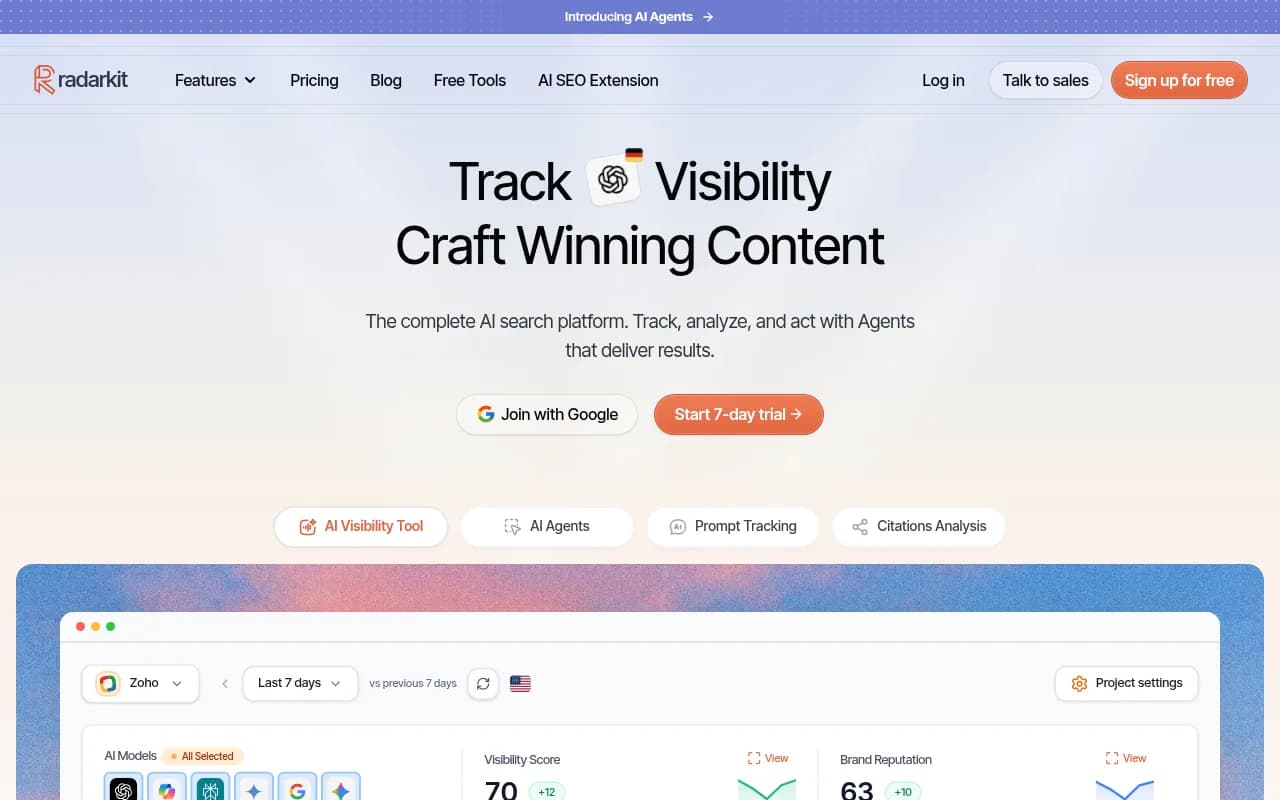
Smaller or alternative options in the catalog include Otterly.AI, Peec AI and Radarkit AI (whose promo material pitches autonomous local citation building from $29 a month; I haven't verified that claim). For a wider view, the GEO software directory at bestgeosoftware.com lists many more.
Otterly.AI


Content and automation tools
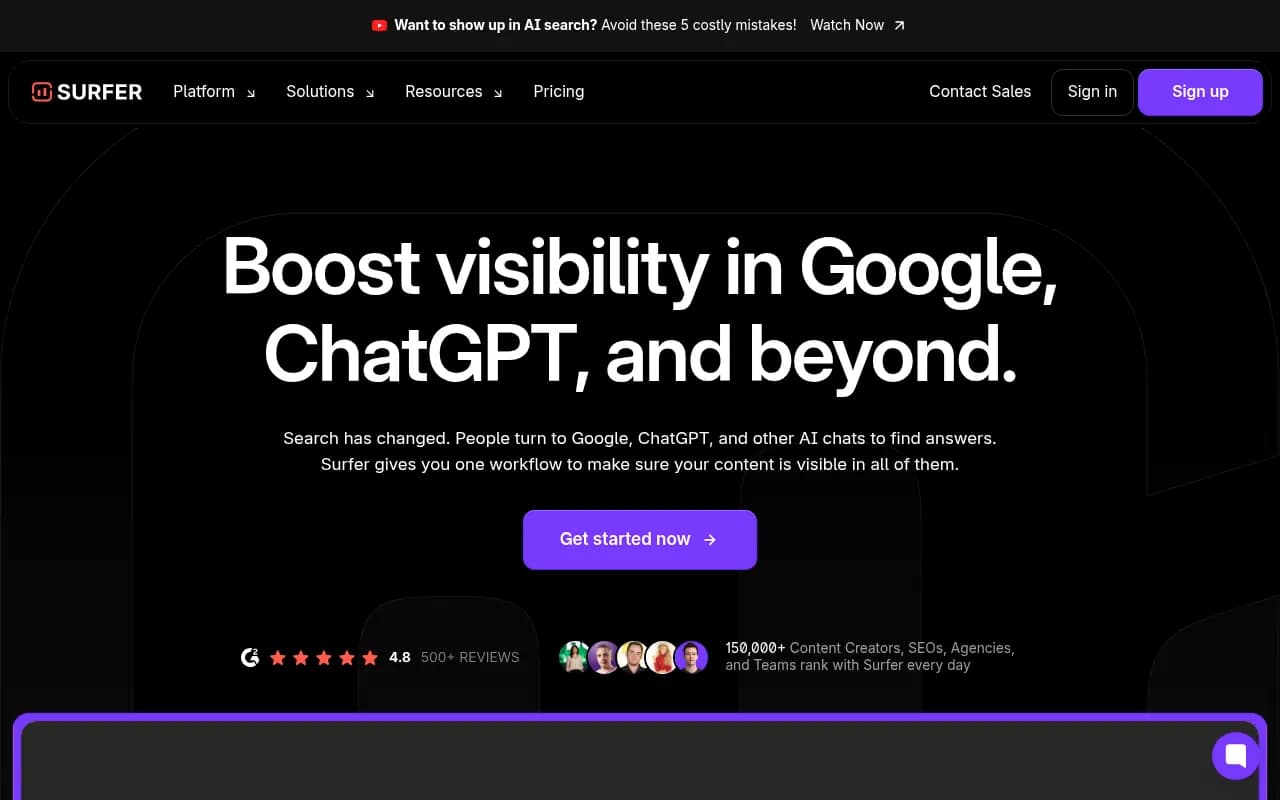
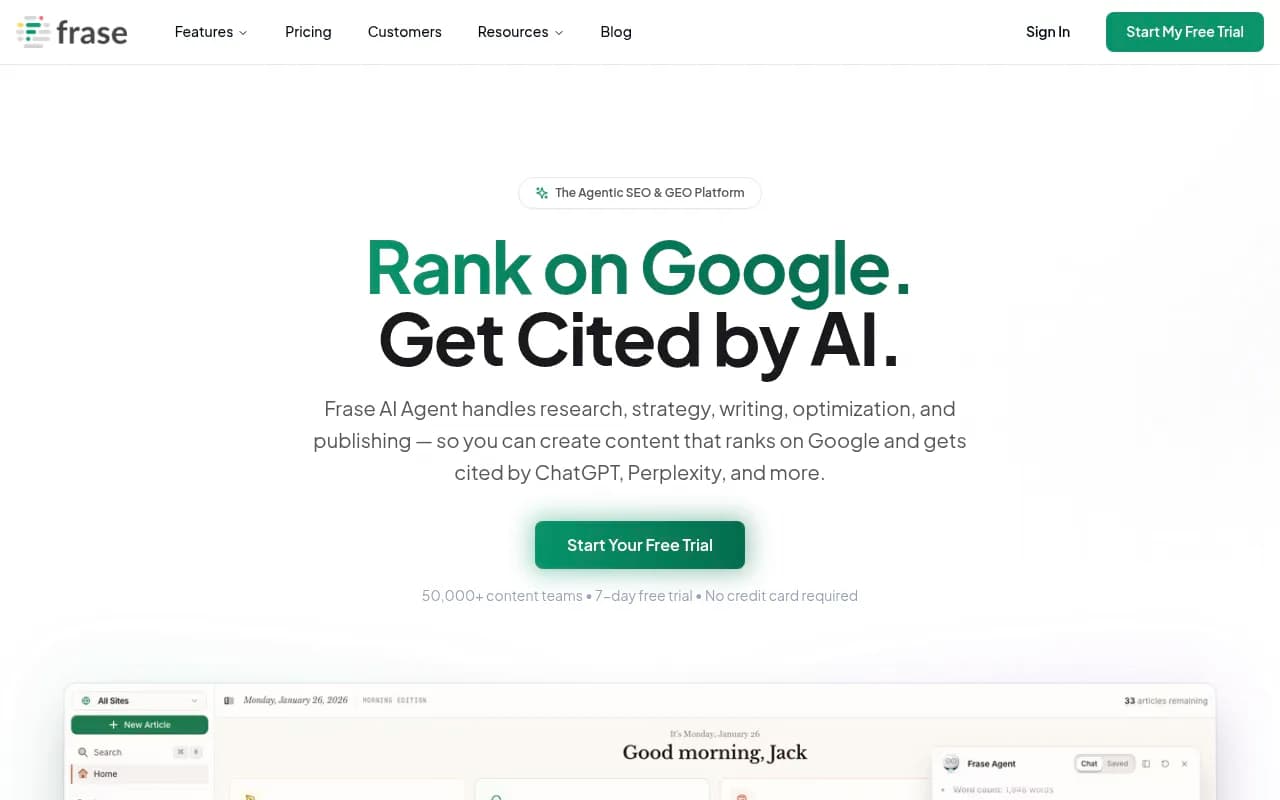
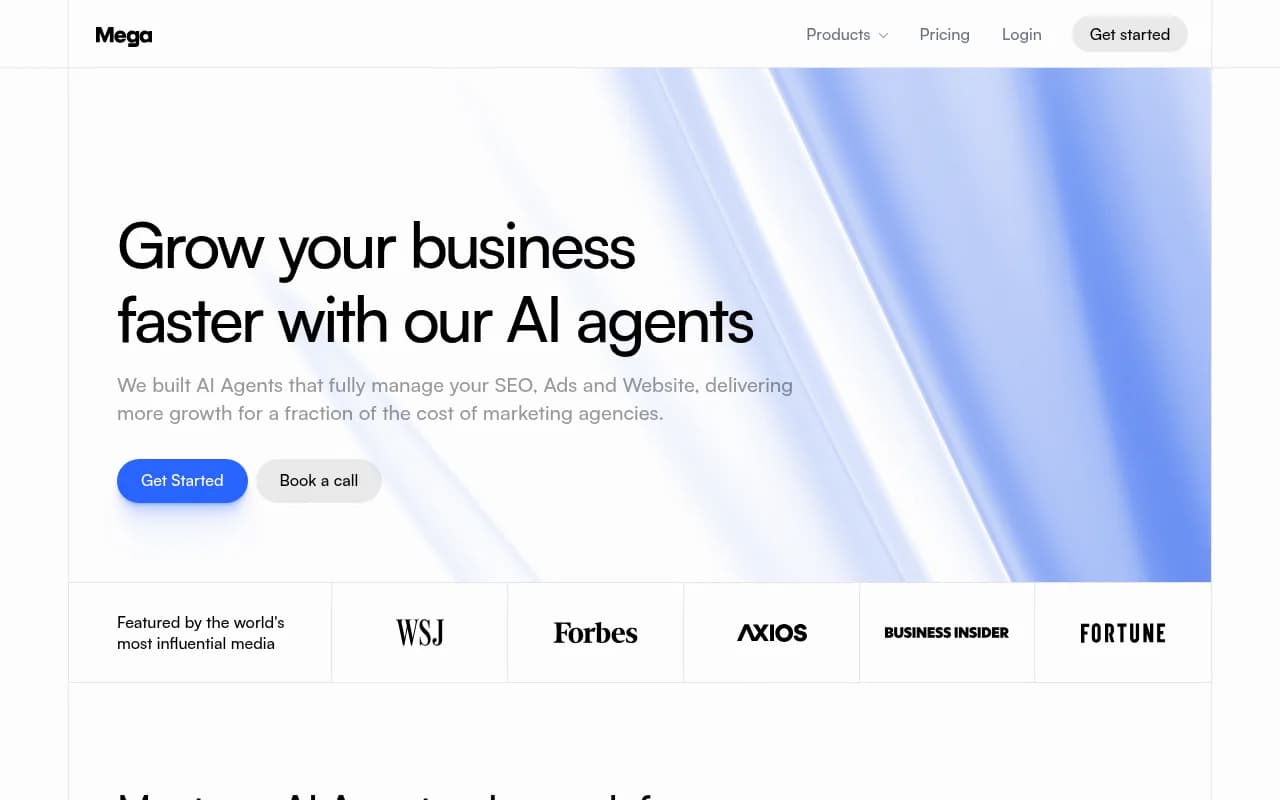
If you'll publish location and service pages at any volume, a content optimizer helps. Surfer SEO, Frase and NeuronWriter all score drafts against what ranks. MEGA SEO pitches an autopilot approach aimed at small businesses with no marketing team.
A warning on mass-generated pages: thin copy-and-paste location pages are exactly what both Google and AI systems learn to ignore. Use AI to draft, then add real details like staff names, local landmarks, prices and photos.
Which tools to pick, by situation
| Your situation | Suggested stack | Rough monthly cost |
|---|---|---|
| Single location, no SEO knowledge | Localo or BrightLocal + Google Search Console | ~$30 to $65 |
| Single location, wants map-pack data | BrightLocal + Local Falcon | ~$65 to $90 |
| Already uses Semrush | Semrush Local Base or Pro | $30 to $60 per location |
| 5 to 20 locations | BrightLocal, Semrush Local or Synup; model costs at expected location count | Varies widely |
| Agency with local clients | Synup or BrightLocal white-label + Promptwatch agency plan | Varies |
| Wants AI visibility too | Any local tool + Promptwatch | Add $95+ |
Buying advice that saves money
- Benchmark first. Use Local Falcon's 100 free credits and Whitespark's free checkers before paying for management tools.
- Watch extras that sit outside the headline price: scan credits (Local Falcon, Semrush), citation packages (BrightLocal, Whitespark) and per-profile add-ons (SE Ranking).
- Price for growth. A tool that's cheap at one location can be painful at ten.
- Don't stack overlapping tools. Local Falcon alongside BrightLocal makes sense. Three reputation tools does not.
- Fix the basics before AI tooling: accurate name, address and phone everywhere, a complete Google Business Profile, fresh reviews, and clear service pages.
A simple 30-day plan
- Week 1: audit your listings and Google Business Profile with BrightLocal or Localo. Run a baseline geo-grid scan.
- Week 2: fix inconsistent citations and answer every open review.
- Week 3: rewrite your main service and location pages with specific, factual detail and add an FAQ.
- Week 4: check what ChatGPT, Perplexity and Google AI Overviews say about you for your top five local queries, using Promptwatch's free AI Visibility Report or a paid tool, and note which third-party sites get cited instead of you.
Then go after those sites: get listed, get reviewed, get included in the roundup.
If you'd rather hand the whole thing to specialists, 1001 SEO Media runs local SEO and AI search optimization for businesses, and for more tool options by category browse surferstack.com.
Bottom line
For most local businesses, the winning setup is boring: one local management tool (BrightLocal or Localo), one measurement tool if you care about the map grid (Local Falcon), Google Search Console for free, and an AI visibility tracker once your basics are clean. Spend on the stack in that order.