Key takeaways
- AI search engines don't rank pages the way Google does — they verify entities and pull from structured, authoritative sources, so traditional SEO alone won't get you cited.
- The first step is always a proper audit: test your brand across ChatGPT, Perplexity, Claude, and Gemini using the prompts your actual customers would type.
- Technical blockers (robots.txt, JavaScript rendering, missing schema) are often the silent killers — fix these before anything else.
- Content needs to be "quotable" — structured, direct answers to real questions — not just keyword-optimized pages.
- Tracking your progress matters: without monitoring, you won't know what's working or when you disappear from AI responses.
You type your brand name into ChatGPT. Nothing. You try "best [your product category] tools" and watch competitors get recommended one after another. It stings, and it's not random.
AI search is now where a meaningful slice of buying decisions start. Perplexity alone crossed 100 million monthly active users in early 2026. ChatGPT's search feature is embedded in millions of workflows. Google AI Overviews appear above organic results for a huge percentage of commercial queries. If you're not showing up in these responses, you're missing prospects who will never visit your site.
The good news: this is still early. Most brands haven't figured this out yet, which means fixing it now gives you a real edge. Here's how to do it systematically.
Step 1: Audit your current AI visibility
Before you fix anything, you need to know exactly where you stand. This means running a structured test across multiple AI platforms, not just searching your brand name once.
What to test
Open ChatGPT, Perplexity, Claude, and Gemini. Run the following types of queries:
- Your brand name directly ("What is [Brand]?" / "Tell me about [Brand]")
- Category queries ("What are the best [your product category] tools in 2026?")
- Problem-based queries ("How do I [problem your product solves]?")
- Comparison queries ("Compare [Competitor A] vs [Competitor B]" — see if you come up as an alternative)
Record everything. Which platforms mention you? Which don't? When you are mentioned, what do they say? Is the information accurate? Are you being cited as a source, or just mentioned in passing?
This gives you a baseline. You might find you're visible on Perplexity but invisible on ChatGPT, or that you appear for brand-name queries but never for category queries. The pattern tells you where to focus.
Tools that can help
Doing this manually works for a quick check, but it doesn't scale. If you want ongoing tracking across 10+ AI models with consistent prompts, tools like Promptwatch automate this and show you visibility scores, citation rates, and which competitors are outranking you for each prompt.

For lighter-weight monitoring, there are several options depending on your budget and needs:

Otterly.AI

Step 2: Fix technical foundations
This is where a lot of brands get stuck without realizing it. Your content might be excellent, but if AI crawlers can't access it, none of that matters.
Check your robots.txt
Some websites accidentally block AI crawlers. GPTBot (OpenAI), ClaudeBot (Anthropic), PerplexityBot, and Google's various crawlers all have specific user-agent strings. If your robots.txt blocks them, you're invisible by design.
Check your robots.txt file at yourdomain.com/robots.txt. Look for any Disallow rules that might catch these bots. A common mistake is using a wildcard disallow (Disallow: /) that blocks everything, or blocking all unknown bots as a security measure.
To allow AI crawlers specifically, you'd add something like:
User-agent: GPTBot
Allow: /

User-agent: ClaudeBot
Allow: /

User-agent: PerplexityBot
Allow: /
JavaScript rendering issues
If your site is heavily JavaScript-dependent (single-page apps, React, Vue, Next.js without SSR), AI crawlers may see a blank page. Unlike Google's crawler, which has a sophisticated JavaScript rendering pipeline, many AI crawlers are simpler and read raw HTML.
Test this by disabling JavaScript in your browser and loading your key pages. If the content disappears, AI crawlers likely can't read it either. Solutions include server-side rendering (SSR), static site generation (SSG), or a pre-rendering service.
Tools like Screaming Frog SEO Spider can help you audit which pages are rendering correctly.
Implement schema markup
Schema markup (structured data) is one of the clearest signals you can give AI systems about what your content means. At minimum, implement:
Organizationschema with your brand name, description, URL, logo, and social profilesWebPageorArticleschema on content pagesFAQPageschema on pages that answer common questionsProductschema if you sell productsBreadcrumbListfor navigation structure
This isn't just for Google anymore. AI models use structured data to understand entities and relationships. If you're not "machine-readable," you're harder to cite accurately.
Step 3: Become quotable
This is the single biggest content shift you need to make. AI models don't just index pages — they pull specific passages to answer specific questions. If your content isn't written in a way that's easy to extract and quote, you won't get cited even if you're technically accessible.
What "quotable" content looks like
Think about how ChatGPT constructs an answer. It's looking for a clear, direct response to a question — ideally in 1-3 sentences, backed by something authoritative. Your content needs to contain those passages.
Compare these two approaches:
Not quotable: A 2,000-word blog post about your industry that mentions your product features in the third paragraph, buried in a wall of text.
Quotable: A page with a clear H2 heading ("What is [Brand]?"), followed by a 2-3 sentence definition, then a bulleted list of key capabilities.
Practically, this means:
- Write explicit answer passages at the top of sections, not buried in paragraphs
- Use question-based headings ("How does X work?" "What's the difference between X and Y?")
- Create dedicated FAQ pages that directly answer the questions your customers ask
- Write comparison content ("X vs Y: which is better for [use case]?")
- Publish "best of" and "alternatives" content in your category — these are heavily cited by AI models
Cover the questions AI models actually get asked
Use tools like AnswerThePublic or AlsoAsked to find the real questions people ask about your category. These are the prompts flowing into AI search engines.
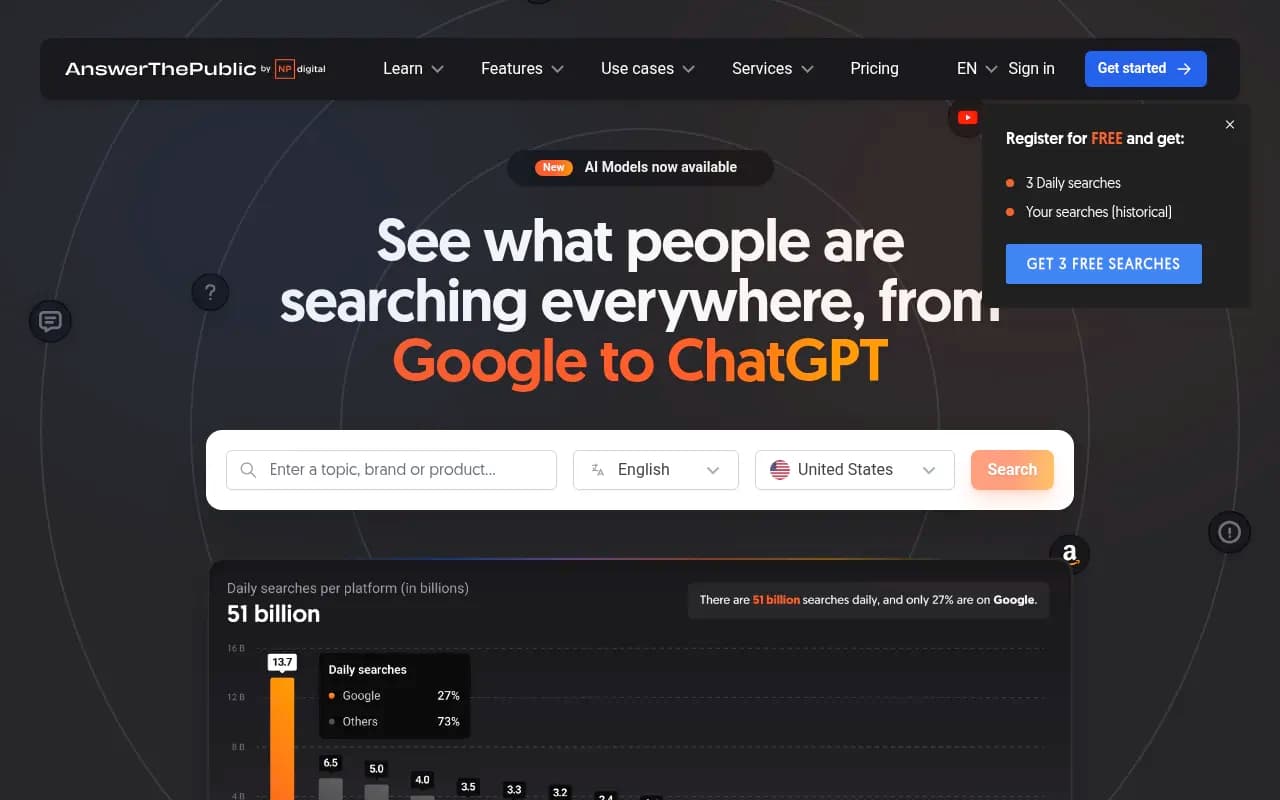
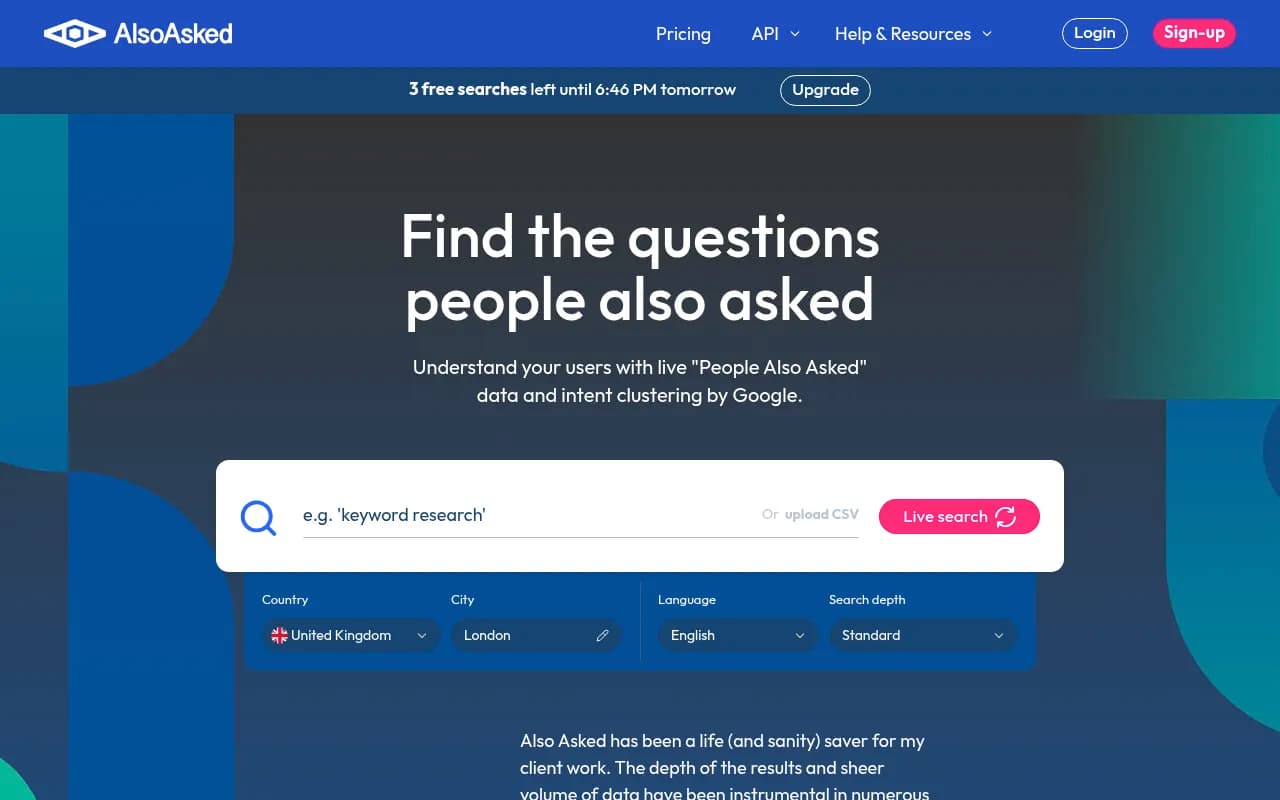
Then check which of those questions your competitors are getting cited for but you're not. That gap is your content roadmap. Promptwatch's Answer Gap Analysis does this automatically — it shows you the specific prompts competitors appear in that you don't.
Step 4: Build authority signals AI models trust
AI models don't just read your website. They've been trained on the broader web, and they weight sources based on signals that look a lot like traditional authority — but with some key differences.
Third-party mentions matter enormously
If your brand is only described on your own website, AI models have limited reason to trust that description. You need external validation: press coverage, industry publications, review sites, analyst mentions, and community discussions.
Prioritize getting mentioned on:
- Industry publications and trade press
- G2, Capterra, Trustpilot, and category-specific review sites
- Reddit threads in relevant subreddits (these are heavily cited by AI models)
- YouTube reviews and comparisons (also frequently cited)
- Wikipedia, if your brand is notable enough
The Reddit and YouTube angle is underappreciated. Perplexity and ChatGPT regularly pull from Reddit discussions when answering "what's the best X" questions. A genuine, helpful presence in relevant communities pays off in AI citations.
E-E-A-T signals
Google's E-E-A-T framework (Experience, Expertise, Authoritativeness, Trustworthiness) has become a proxy for what AI models consider credible. This means:
- Author bios with real credentials on your content
- Clear "About" and "Contact" pages
- Consistent NAP (name, address, phone) data across the web
- SSL, fast load times, and no technical errors
- Linking to authoritative external sources in your content
Entity establishment
AI systems understand the world through entities — named things with defined attributes and relationships. If you're not established as a clear entity, you're harder to reference accurately.
Make sure your brand has:
- A consistent name across all platforms (don't use "Acme Corp" in some places and "Acme" in others)
- A Google Business Profile (if applicable)
- LinkedIn company page with complete information
- Wikidata entry (if you qualify)
- Consistent descriptions across all owned channels
Step 5: Create content that fills the gaps
Once you know which prompts you're missing from (Step 1) and you've fixed the technical and authority issues (Steps 2-4), you need to actually create the content that fills those gaps.
This is where most brands stall. They know they need content, but creating it at the volume and specificity required for AI visibility is genuinely hard.
What types of content get cited
Based on citation patterns across AI models, these content formats consistently get pulled into AI responses:
| Content type | Why AI models cite it | Examples |
|---|---|---|
| Comparison articles | Directly answers "X vs Y" prompts | "[Your brand] vs [Competitor]: full comparison" |
| Best-of lists | Answers "best X for Y" prompts | "Best [category] tools for [use case]" |
| FAQ pages | Direct question-answer format | "Common questions about [topic]" |
| How-to guides | Answers procedural prompts | "How to [task] with [product]" |
| Definition pages | Answers "what is X" prompts | "What is [industry term]?" |
| Case studies | Provides specific evidence | "[Brand] helped [customer] achieve [result]" |
Tools for content creation at scale
Creating this content manually is slow. Several platforms are built specifically for generating content that's optimized for AI citation:
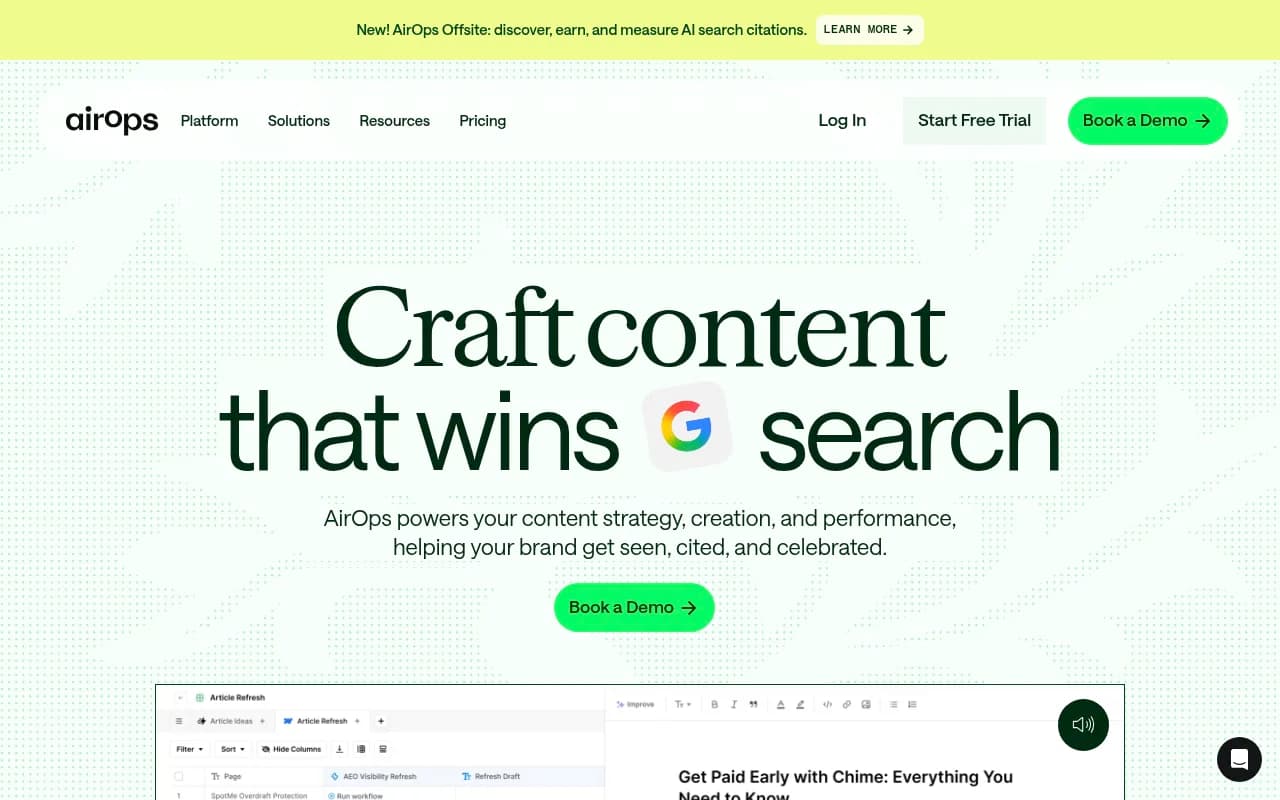
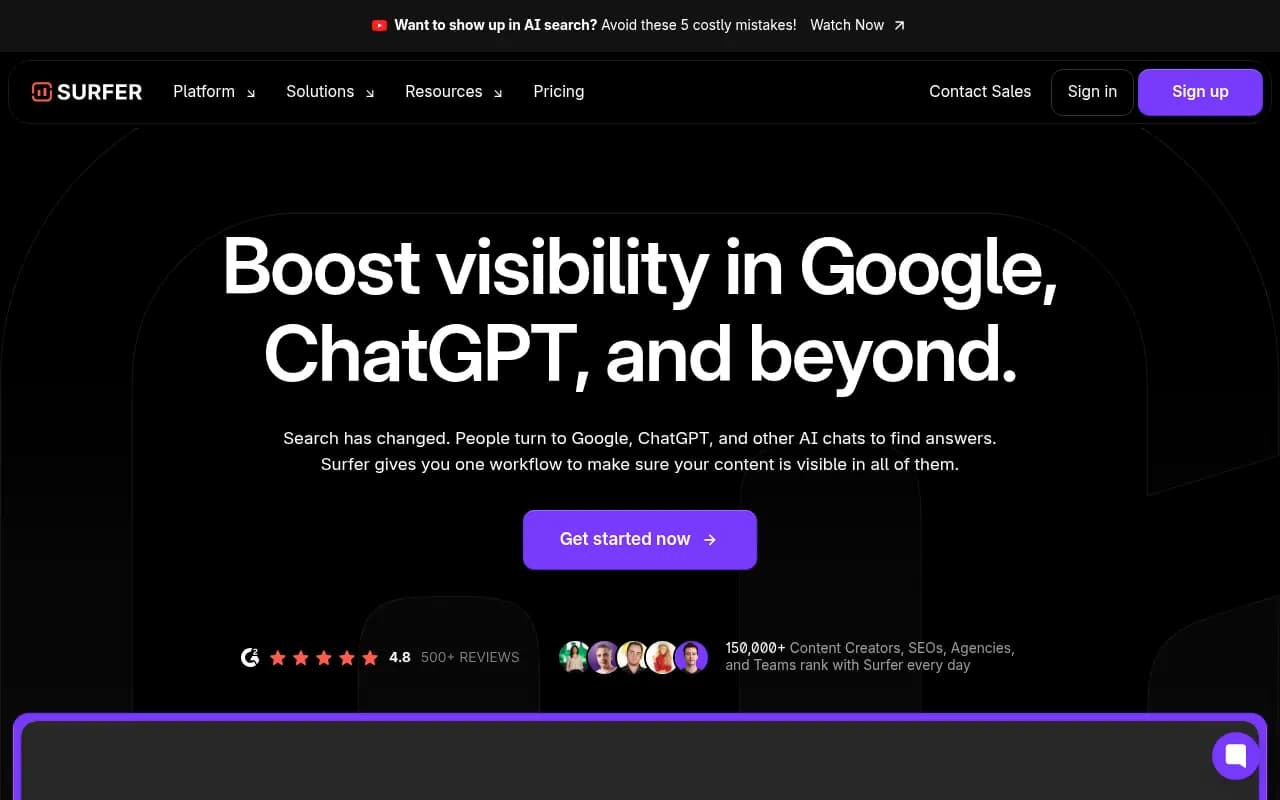
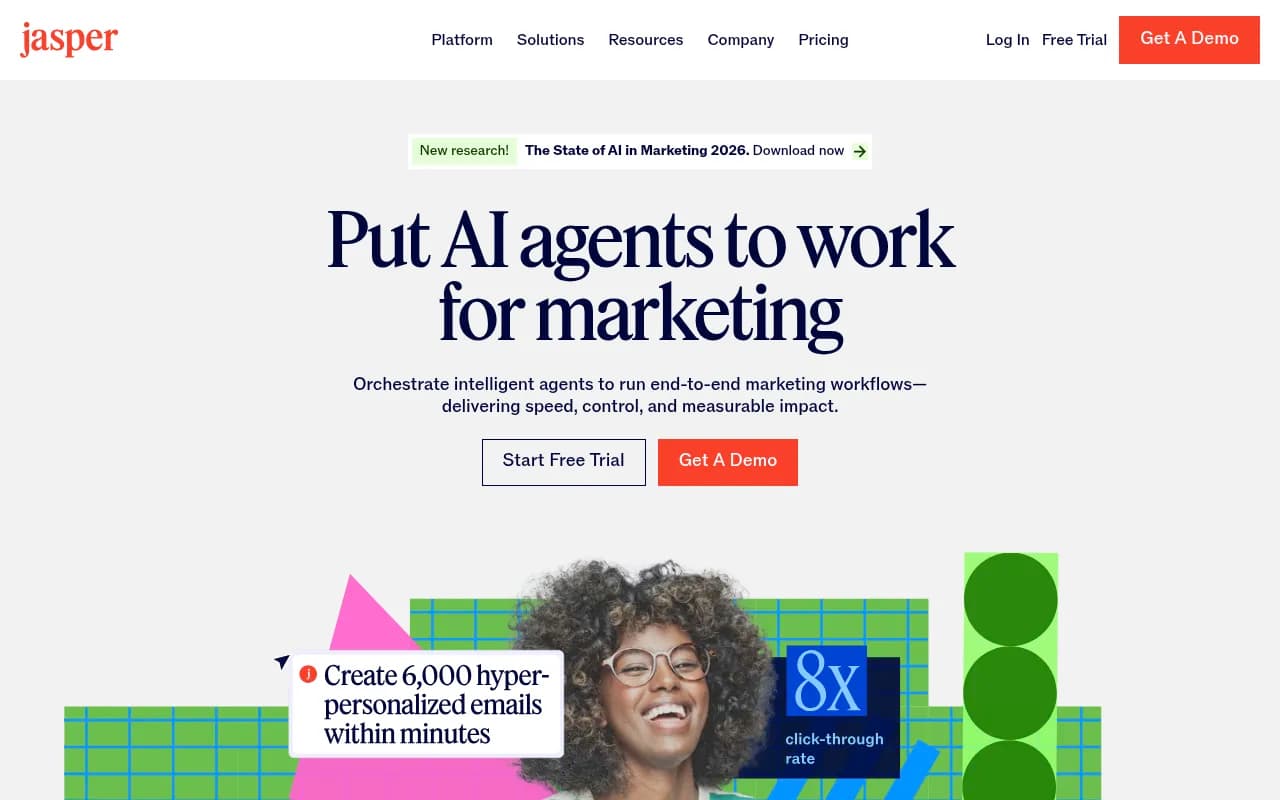
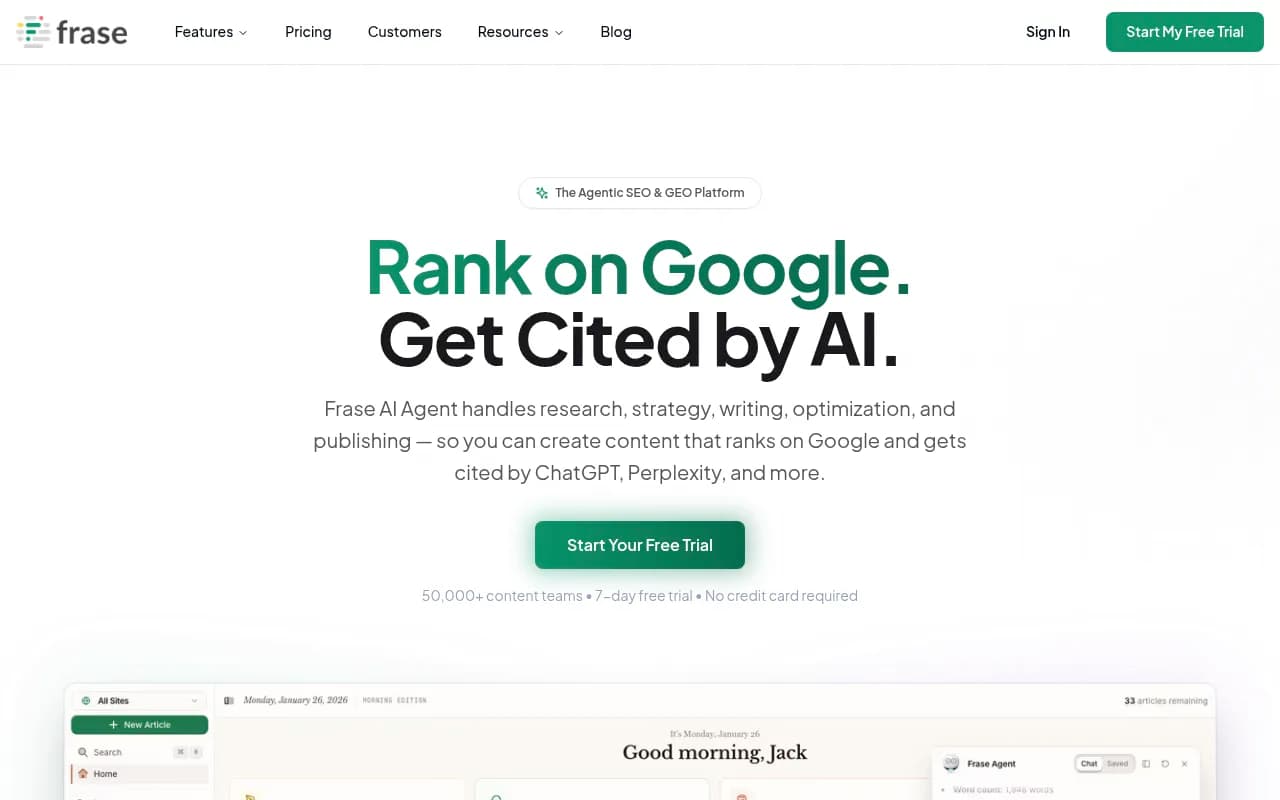
For AI-assisted writing that you then edit and publish, tools like Jasper and Frase work well for producing structured, question-answering content quickly.
Step 6: Track your progress and close the loop
Fixing your AI visibility without tracking it is like running a campaign with no analytics. You need to know what's working.
What to track
At minimum, monitor:
- Brand mention rate across AI platforms (how often you appear when relevant prompts are run)
- Sentiment and accuracy of mentions (are AI models saying correct things about you?)
- Which pages are being cited and by which models
- Competitor visibility for the same prompts
- Traffic from AI referrers (look for referral traffic from chat.openai.com, perplexity.ai, claude.ai in your analytics)
The visibility-to-revenue connection
One thing most brands miss: AI visibility that doesn't connect to actual traffic and revenue is just a vanity metric. Make sure you're tracking the full loop — from AI citation to click to conversion.
Google Analytics will show you referral traffic from AI platforms. Google Search Console shows AI Overview impressions. For a more complete picture, Promptwatch connects visibility data to traffic attribution through a code snippet, GSC integration, or server log analysis.
Monitoring tools comparison
Here's how the main AI visibility monitoring options stack up for different needs:
| Tool | Best for | Monitoring | Content help | Crawler logs | Price range |
|---|---|---|---|---|---|
| Promptwatch | Full optimization cycle | 10 AI models | Yes (built-in) | Yes | $99-$579/mo |
| Peec AI | Basic monitoring | ChatGPT, Perplexity, Claude | No | No | Lower |
| Otterly.AI | Quick brand checks | ChatGPT, Perplexity, AI Overviews | No | No | Lower |
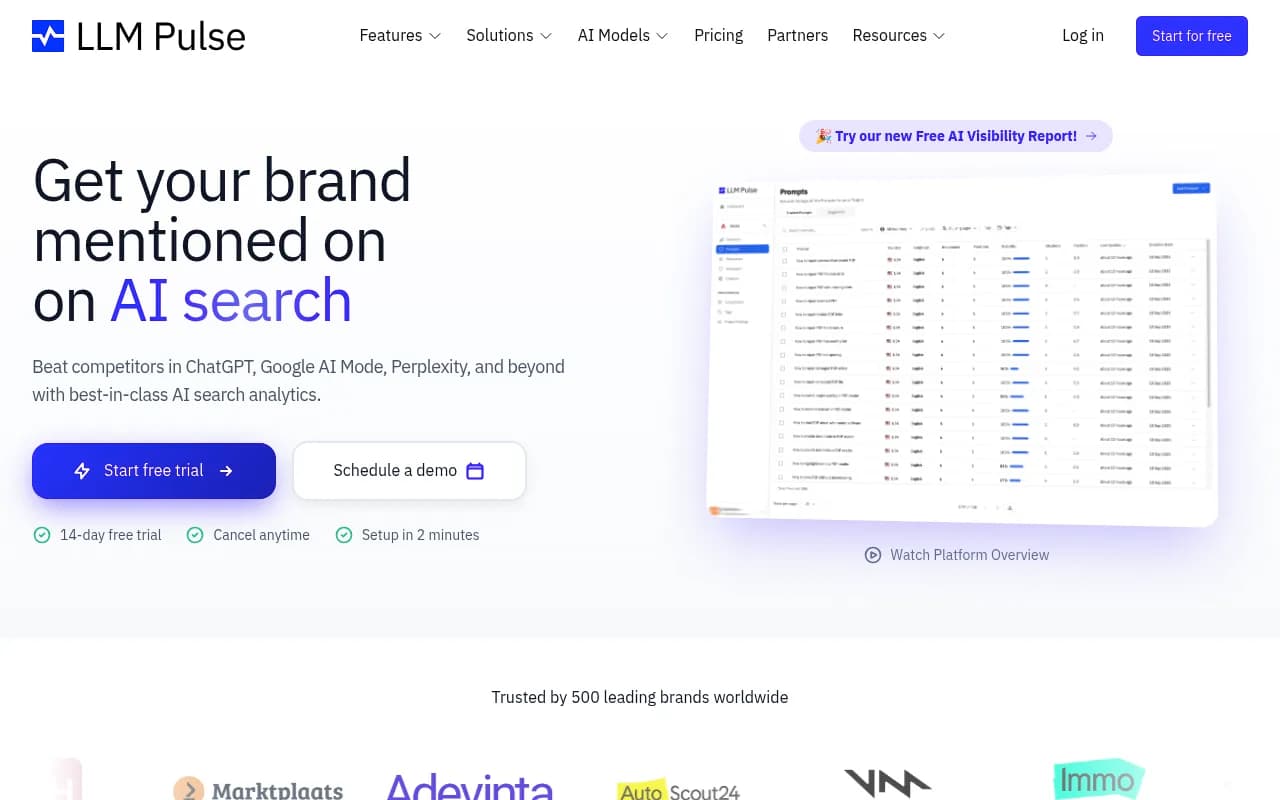
| LLM Pulse | Lightweight tracking | Multiple models | No | No | Lower |
| Profound | Enterprise monitoring | 9+ models | No | No | Higher |
| SE Ranking | SEO + AI combo | Limited AI coverage | No | No | Mid-range |
Profound

Step 7: Maintain and iterate
AI visibility isn't a one-time fix. Models update, competitors publish new content, and the prompts people use evolve. A few things to build into your ongoing workflow:
- Run your audit prompts monthly (or set up automated monitoring)
- Publish new content targeting emerging questions in your category
- Update existing pages when AI models start citing outdated information
- Watch for new AI platforms — DeepSeek, Grok, and Meta AI are all growing fast and have different citation patterns than ChatGPT
One thing worth knowing: brands sometimes appear in AI responses and then disappear. This usually happens when a model is updated, when a competitor publishes stronger content, or when your page gets de-indexed or changes significantly. Consistent monitoring catches these drops early.
Where to start if you're overwhelmed
If this feels like a lot, here's the honest priority order:
- Run the audit first. You might already be visible in some places and not others — that changes your priorities completely.
- Fix robots.txt and rendering issues. These are quick wins that unblock everything else.
- Add schema markup to your homepage and key product/service pages.
- Write one strong "What is [Brand]?" page and one "best of" or comparison article in your category.
- Set up monitoring so you can see if things improve.
That's a realistic starting point for most teams. The full optimization cycle takes months, but the technical fixes and first content pieces can be done in a week.
The brands winning in AI search right now aren't doing anything magical. They're accessible, structured, authoritative, and consistently publishing content that directly answers the questions AI models get asked. That's achievable for almost any brand willing to treat AI search as a real channel.