Key takeaways
- Automate the repetitive, measurable work: prompt tracking, crawler monitoring, site audits, reporting, content refreshes, and CMS publishing of drafts you have reviewed.
- Keep humans on strategy, original data, brand positioning, expert quotes, and final editorial review. These are the things AI engines cite you for.
- Google's own guidance says you don't need AI-only rewrites, tiny "chunked" pages, or special schema for generative search. Skip automation that chases those myths.
- Data from ChatGPT citations shows product and landing pages dominate, and they decay slowly. Scheduled refreshes beat mass-produced new articles.
- Automation without a feedback loop is just faster guessing. Pick tools that tell you whether the thing you automated got crawled, cited, and clicked.
Why this question matters now
Every SEO tool vendor in 2026 is selling autopilot. Autopilot content, autopilot fixes, autopilot link building. Some of that is real and saves hours. Some of it produces thousands of thin pages that nobody, human or model, has a reason to cite.
The useful question isn't "can this be automated?" Almost everything can. It's "does automating this make the outcome better, or only faster?" For repetitive, rules-based work, faster is the outcome. For anything that depends on judgment, original information, or trust, faster often means worse.
This guide sorts the work into three buckets: automate fully, automate with a human checkpoint, and don't automate. I'll use first-party citation data where it exists, and Google's published guidance where it doesn't.
Salesforce's AI-for-SEO guide makes the standard pitch: AI tools can take over time-consuming tasks like keyword research, content optimization, and link building. That's partly right. The nuance is in which parts.
What the data says about what AI engines actually cite
Before deciding what to automate, you need to know what gets rewarded. Promptwatch Data looked at ChatGPT citations from Sep 28 to Oct 4, 2026:
- Product pages were the most cited content type at 22.4%.
- Landing pages were 16.8%, so roughly 39% of citations go to pages describing what a company sells.
- Listicles were 13.6%, how-to guides 8.7%, documentation 7.5%, comparisons 5.9%, and news 5.7%.
- For commercial prompts like "best CRM for small businesses", product pages hit 26.0% and landing pages 20.6%.
That is a surprising result if you assumed blog volume wins. The pages AI engines lean on most are the ones that state facts: specs, prices, positioning. Those are exactly the pages that go stale and exactly the pages where a human needs to own accuracy.
The second data point matters just as much. In Promptwatch's content half-life study, tracking pages ChatGPT cited on July 6, 2026 for 90 days:
- After 30 days, ChatGPT still cited 78% of landing pages and 76% of docs.
- Product pages, reviews, and how-tos had a half-life of roughly 74 to 77 days.
- News decayed fastest. Half of news pages were gone after 36 days.
So evergreen, factual pages last, news burns out, and everything needs a refresh schedule. That points directly at what to automate: the maintenance, not the invention.
Automate fully: the monitoring and plumbing layer
These tasks are repetitive, objective, and low-risk. A wrong result costs you a bad chart, not a bad page on your live site.
Prompt and citation tracking
Checking by hand whether ChatGPT, Perplexity, or AI Overviews mention your brand doesn't scale. Answers vary by country, language, and day. Set up a fixed panel of prompts that runs daily and let a tool log mentions, position, sentiment, and which URLs get cited.
Promptwatch does this against the real user interfaces of the major AI engines rather than only APIs, which matters because what users see can differ from API output.

Other trackers in the same category include Otterly.AI, Peec AI, and Profound, mostly monitoring-focused. If you want to browse the field, the GEO software directory at bestgeosoftware.com lists most of them.
Otterly.AI


Profound

AI crawler monitoring
If GPTBot, ClaudeBot, or PerplexityBot can't read your pages, nothing else you do matters. Checking server logs manually is tedious and easy to get wrong because user agents get spoofed. Automate crawler log collection, filter fake bots, and alert on errors.
Promptwatch's own AI crawler traffic data shows how quickly crawler mix shifts. Meta-WebIndexer, for example, went from about 2% to nearly 38% of tracked AI crawler requests between mid-July and August 9, 2026 (Promptwatch Data on Meta-WebIndexer). Nobody is going to catch that by reading raw logs.
Technical audits
Broken links, orphan pages, missing sitemap entries, duplicate titles, slow pages. Weekly automated audits are a clear win. Classic crawlers work fine here.

The one technical fix I'd do before anything else: make sure your content renders without client-side JavaScript. Prerendering services like Prerender.io can automate that for JS-heavy sites.
Reporting
Monthly stakeholder reports are the single most automatable task in this entire field. Pipe data into Looker Studio or scheduled PDFs and stop screenshotting dashboards.
Attribution deserves a note. AI-referred traffic often arrives with messy referrers, so track it explicitly in analytics rather than assuming it will show up cleanly.
Automate with a human checkpoint
This is where the real leverage is, and also where most of the damage gets done. The rule: the machine drafts or proposes, a person approves.
Content gap analysis and briefs
Mapping your pages against the prompts AI engines answer, then spotting where you have no coverage, is a good job for software. Generating the brief from that gap is also fine. Deciding which gaps are worth filling for your business is not.
Tools in this lane include Frase, MarketMuse, Clearscope, and Surfer SEO.

Drafting
AI drafting is fine as a starting point. It's weak as a finished product. Global Reach's 2026 trends write-up puts it simply: AI can help with research and structure, but accuracy, usefulness, and human review remain essential.
The human pass should add what a model can't: first-party numbers, a real opinion, a customer example, a correction of something the draft got wrong. If your draft contains nothing that wasn't already on page one of Google, a model has no reason to cite it over the pages it already knows.
For teams that want an agent to plan, write, and publish on a schedule, Promptwatch's Content Agent can write against visibility gaps and publish to WordPress, Webflow, or Framer, with a review inbox where you approve, edit, or decline each piece. Keep that review inbox on. Hands-off mode is for mature, well-documented brands with a solid Brand Book, not for week one.
Alternatives with content-generation pipelines include AirOps, Jasper, and Search Atlas.
Content refreshes
Given the half-life data, this is probably the highest-return thing to automate. Set a schedule: pricing and spec pages monthly, comparison and listicle pages quarterly, docs whenever the product changes. Let software flag pages that have drifted, show a diff of suggested changes, and queue them for review.
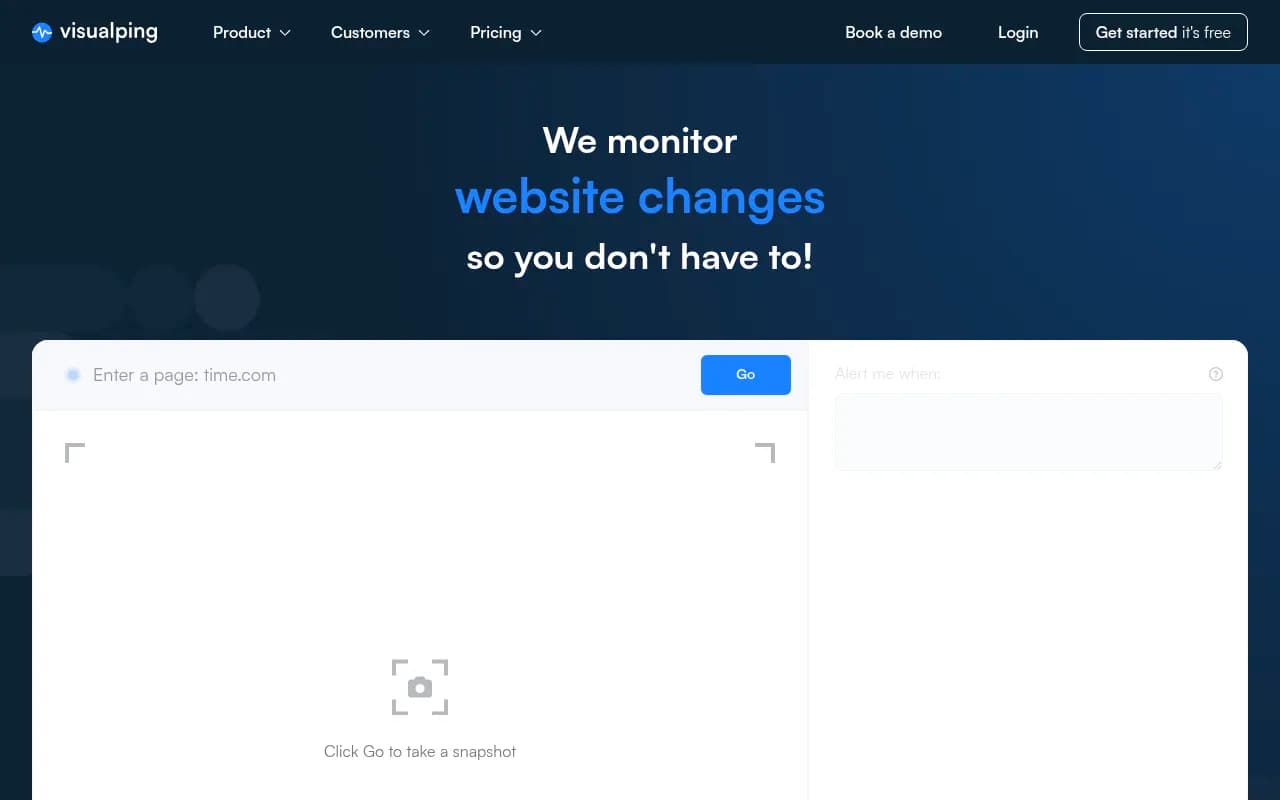
Change detection tools help trigger this when a competitor or your own product page shifts.
Publishing and workflow glue
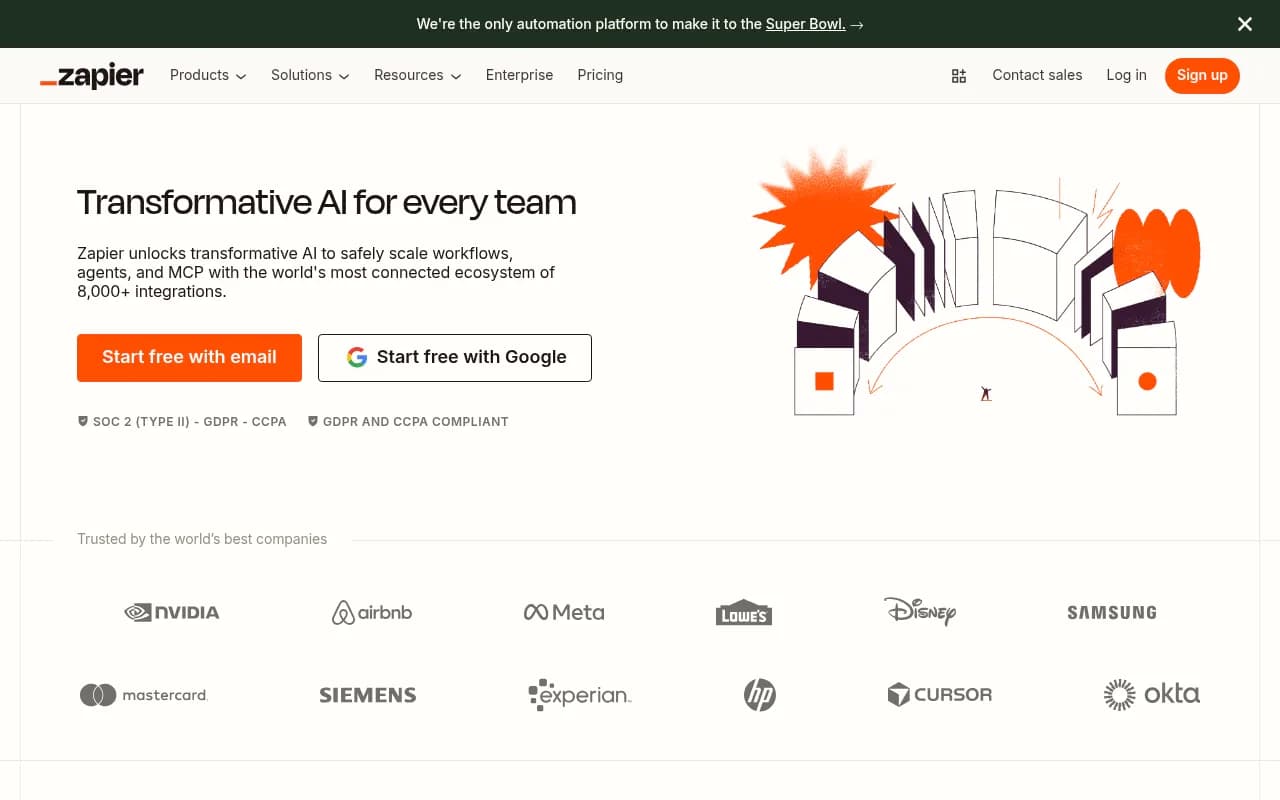
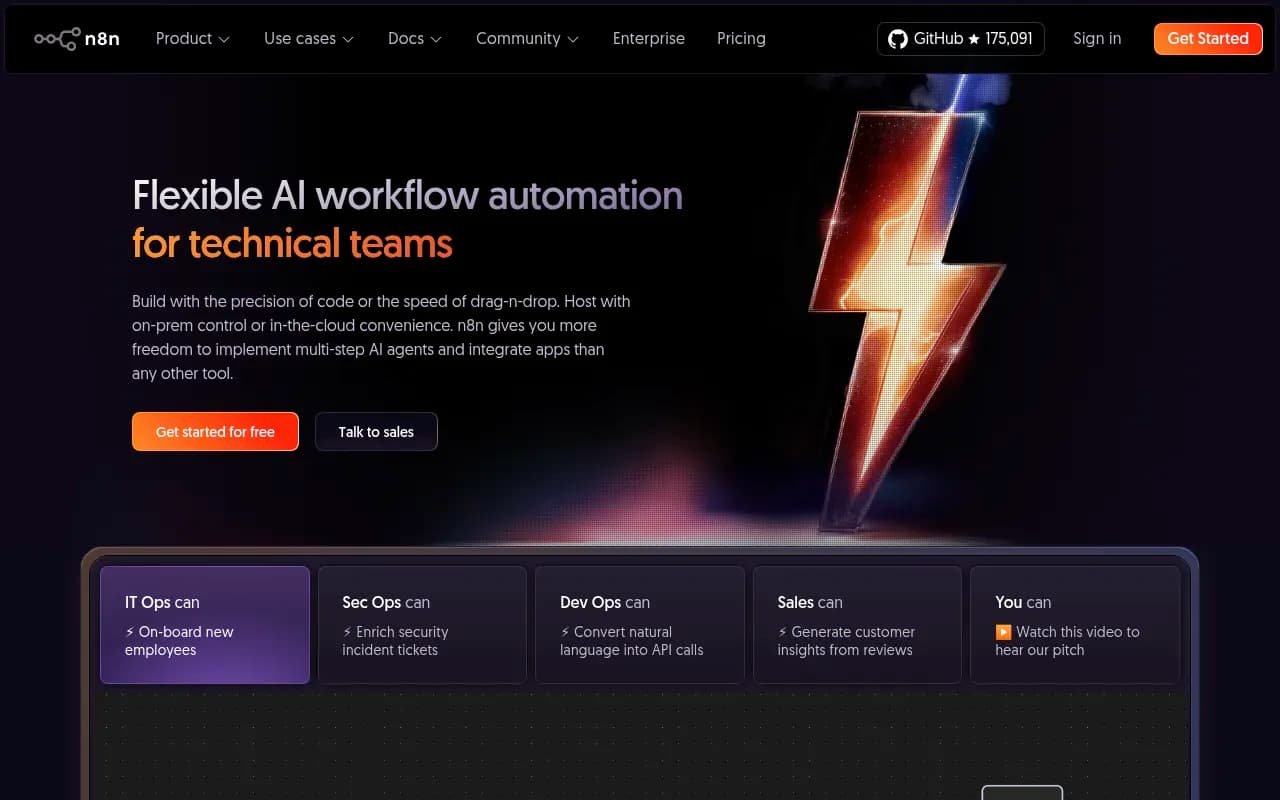
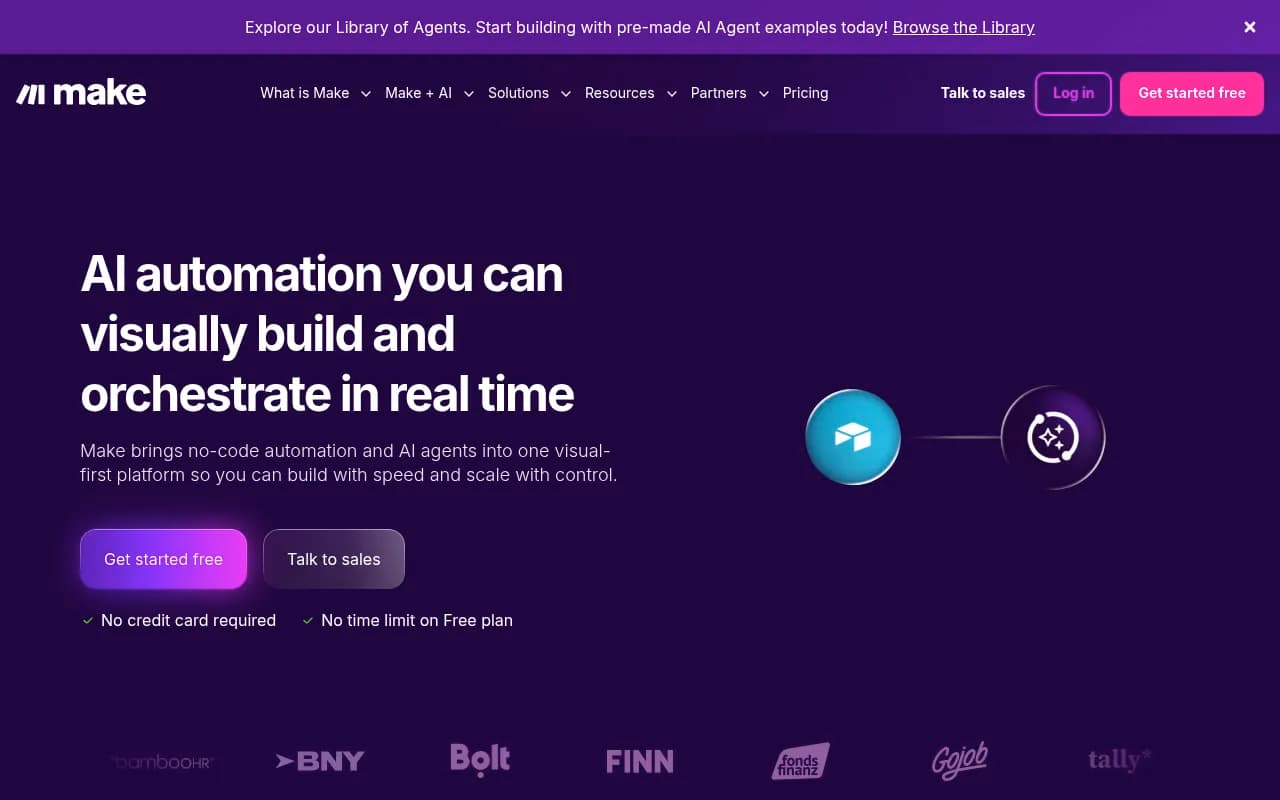
Moving an approved draft into your CMS, tagging it, notifying Slack, and creating a task: automate all of it. Workflow tools like Zapier, n8n, and Make cover this well.
Prioritization
A weekly AI-generated to-do list, ranked by evidence, is genuinely useful when you have a thousand possible actions and time for ten. Just treat it as a suggestion queue. You still decide which five happen.
Don't automate: the parts that earn the citation
Strategy and positioning
What you want to be known for, which prompts matter to revenue, which competitors you'll compare against, what you refuse to claim. A tool can show you where you're weak. It can't tell you what your company should stand for.
Original data and expertise
AI engines synthesize. They need something to synthesize from. Proprietary data, survey results, product telemetry, and named expert commentary are things you have and a model doesn't. TreeHouse, the company behind Pararius, grew AI search to roughly 25% of its organic conversions in part by publishing proprietary rental data and fixing crawler access. The data was the human part. The reporting around it was the automated part.
Facts on product and landing pages
Prices, specs, availability, legal claims. Automate the reminder to check them. Do not let a model rewrite them unsupervised. One hallucinated price on a page that ChatGPT cites 22% of the time is a very expensive typo.
Reputation and third-party mentions
Branded prompts lean on reviews, press, and social posts. Promptwatch Data found reviews were 5.6% of citations for branded prompts, more than three times their overall share. You can automate listening for mentions and review alerts. You can't automate earning them, and fake review pushes will backfire.
Mass-generated pages
Autopilot tools that publish 100+ pages to "own" a topic are tempting. I'm skeptical. Google's guidance for generative search says to make pages for your audience, not just for generative AI. If a page exists only because a template could produce it, it has no reason to be cited. Programmatic pages work when each one carries real, distinct data (listings, locations, prices). They fail when only the nouns change.
Myths worth not automating around
A lot of automation effort goes to tasks that don't help. Google's AI optimization guide lists several things you don't need to do:
- Chunking content into tiny pieces. Google systems can understand multiple topics on a page and surface the relevant part. There is no ideal page length.
- Rewriting content specially for AI systems. AI understands synonyms and meaning, so you don't need every long-tail variant.
- Overfocusing on structured data. It isn't required for generative AI search and there's no special markup for it, though it still helps with rich results.
One more from Promptwatch's markdown data: HTML makes up 99.94% of citations across ChatGPT, Claude, Perplexity, and AI Overviews, while markdown files are 0.05%. Auto-generating .md mirrors of your marketing pages is wasted effort. Markdown endpoints matter for developer docs because coding agents pull them directly, and that is about it.
There's also the churn problem. On August 8, 2026, ChatGPT started using the site: operator at scale, jumping from about 0.4% to about 17% of fan-out queries overnight (Promptwatch Data). And reddit.com's share of ChatGPT citations fell from roughly 4% to 0.5% on August 14, 2026 (Promptwatch Data). Any automation built on a trick that worked last quarter can die in a day. Build on fundamentals (crawlable, factual, useful pages) and monitor for shifts.
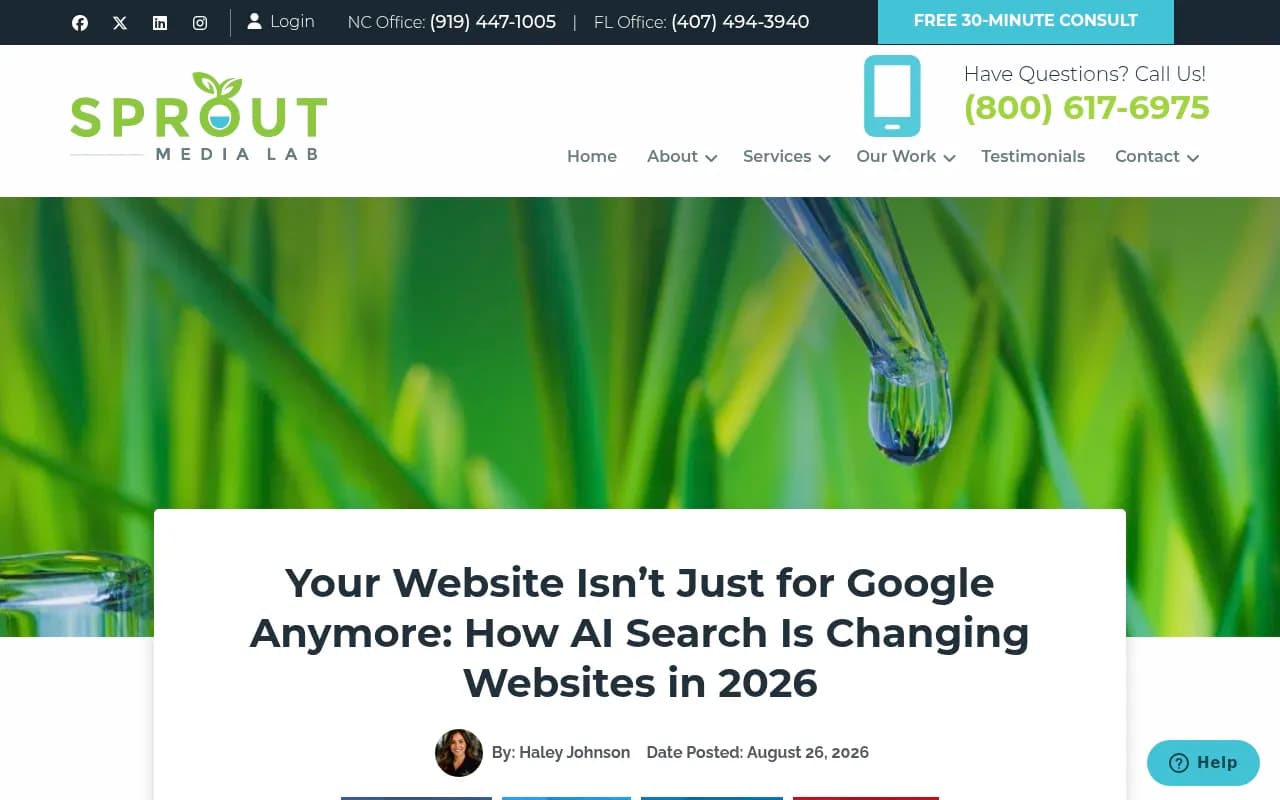
Sprout Media Lab's 2026 piece lands in the same place: explain clearly what you do, build depth around your expertise, show proof, and make the site technically accessible. None of those is a push-button job.
A quick reference table
| Task | Automate? | Why | Example tools |
|---|---|---|---|
| Prompt and citation tracking | Fully | Repetitive, objective, daily variance | Promptwatch, Otterly.AI, Peec AI |
| AI crawler log monitoring | Fully | Needs verification at scale | Promptwatch, Screaming Frog logs, JetOctopus |
| Technical site audits | Fully | Rules-based, weekly cadence | Sitebulb, ContentKing |
| Reporting | Fully | Zero judgment required | Whatagraph, Looker Studio |
| Content gap analysis | With review | Machine finds gaps, human picks | Frase, MarketMuse |
| First drafts | With review | Needs original data and edits | Promptwatch Content Agent, AirOps |
| Content refreshes | With review | Decay is predictable, accuracy isn't | Promptwatch, Page Modified |
| CMS publishing | With review | Plumbing is safe, content isn't | Zapier, n8n |
| Strategy and positioning | No | Judgment and business context | You |
| Original research | No | The reason you get cited | You |
| Prices, specs, claims | No | Errors are costly | You, with automated reminders |
| Reviews and earned mentions | No | Must be genuine | You |
A sensible automation rollout
- Start with measurement. Build a prompt panel of 30 to 50 queries across brand, category, and competitor comparisons. Track it daily for two weeks before changing anything.
- Fix access. Confirm AI crawlers can read your key pages, JavaScript renders, and there are no blocked paths. Turn on weekly audits.
- Add attribution. Track AI-referred visits and conversions so you can prove value. Crisp reported 2x higher conversion rates from AI traffic than from traditional channels, which is the kind of number that wins budget, but only if you are measuring.
- Schedule refreshes for product, landing, and pricing pages. Review every diff.
- Turn on drafting with a review inbox. Approve everything for the first month. Track which published pages get crawled, cited, and clicked. Kill formats that don't.
- Only then consider more autonomy, and only for page types that have proven themselves.
If you'd rather hand parts of this to people than tools, an agency can run the stack for you. 1001 SEO Media covers technical SEO, content, and generative engine optimization with senior specialists, and uses Promptwatch for AI visibility work.
Closing thought
Automate anything where the output is a measurement or a maintenance task. Be careful with anything where the output is a claim about your company. The pages that AI engines cite most are the ones that state facts plainly, and the pages that last longest are the ones someone keeps accurate. Software can remind you, draft for you, and publish for you. It can't know what is true about your business. That part stays yours.