Key takeaways
- The AI SEO content stack in 2026 covers five distinct stages: research, brief creation, writing, on-page optimization, and AI search visibility tracking.
- Different tools own different stages -- no single platform does all five well. Mixing specialized tools usually beats an all-in-one.
- AI search visibility (tracking whether ChatGPT, Perplexity, or Gemini cite your content) is now a required step, not a nice-to-have.
- Content generation tools have gotten genuinely good at producing publish-ready drafts, but they still need human editing for accuracy and brand voice.
- The biggest gap most teams have is the last mile: creating content specifically designed to get cited by AI engines, not just rank on Google.
The SEO content workflow used to be simple enough to run in a spreadsheet. Find keywords, write articles, track rankings. Repeat.
That's still roughly true, but every step now has AI involved -- and a new step has appeared at the end that didn't exist two years ago: making sure AI search engines actually cite your content when users ask relevant questions. If you're only optimizing for Google, you're leaving a growing share of search traffic on the table.
This guide walks through the full workflow, stage by stage, with the tools that actually move the needle at each point.
Stage 1: Research -- finding what to write about
Good content starts with knowing what people are actually searching for, and in 2026 that means two things: traditional keyword data and prompt-level intelligence from AI search engines.
Traditional keyword research
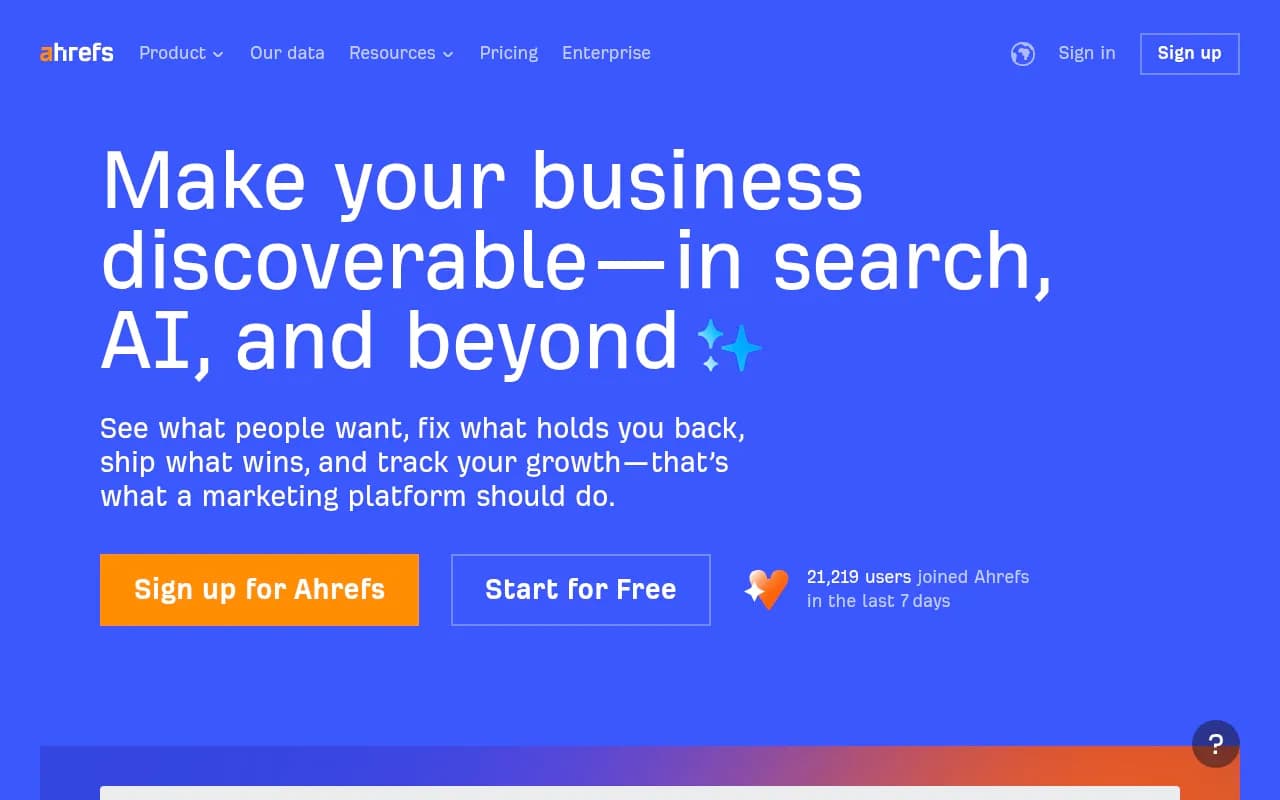
The established players here are still worth using. Ahrefs and Semrush both have strong keyword databases, competitive gap analysis, and content explorer features that surface topics your competitors rank for but you don't.
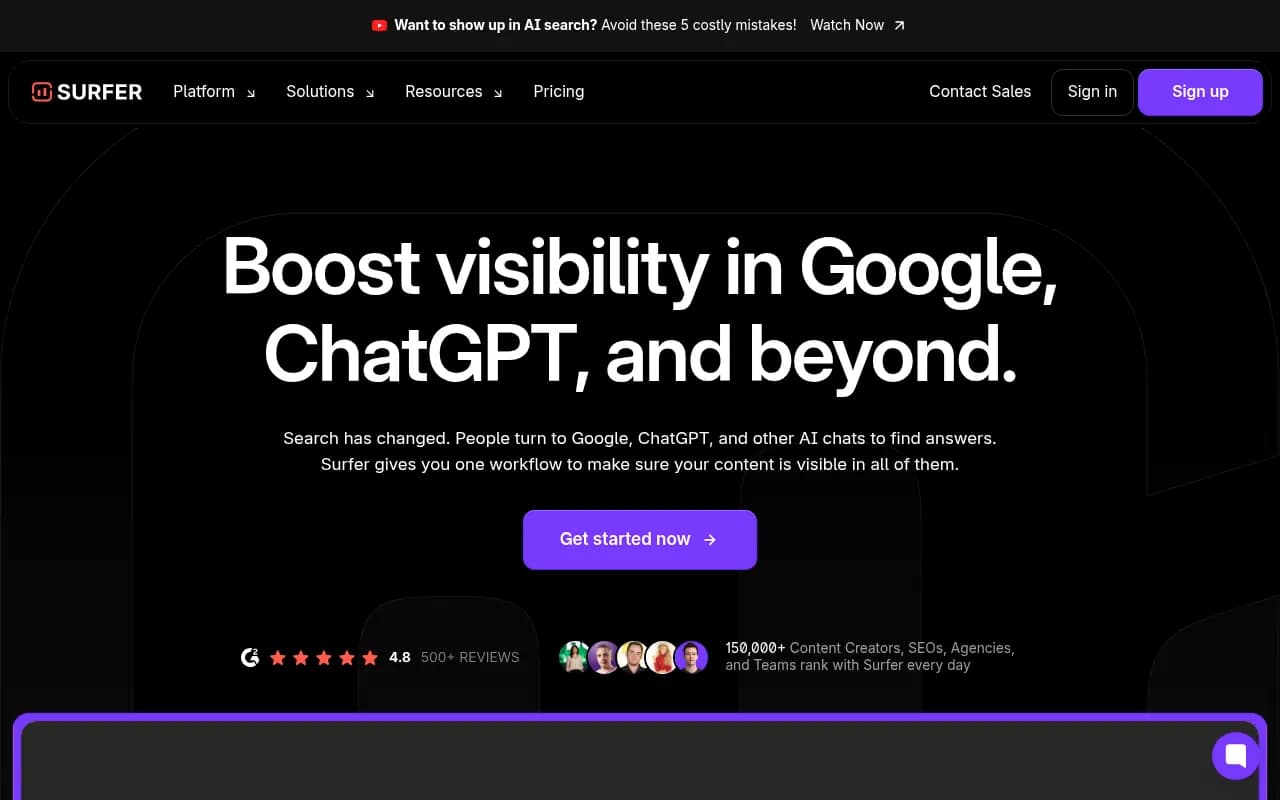
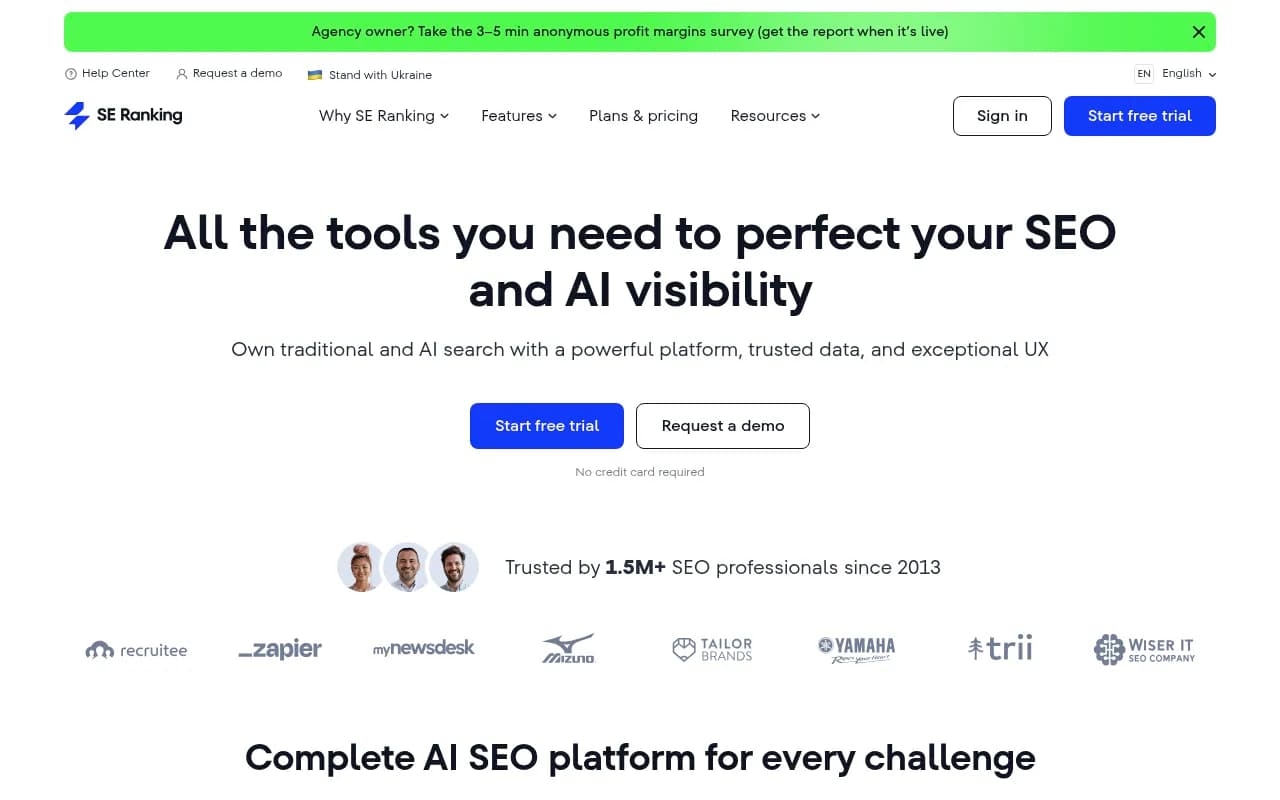
For teams that want something lighter, Surfer SEO's keyword research is tightly integrated with its content editor, which saves context-switching. SE Ranking has a solid keyword tool at a lower price point than the big two.
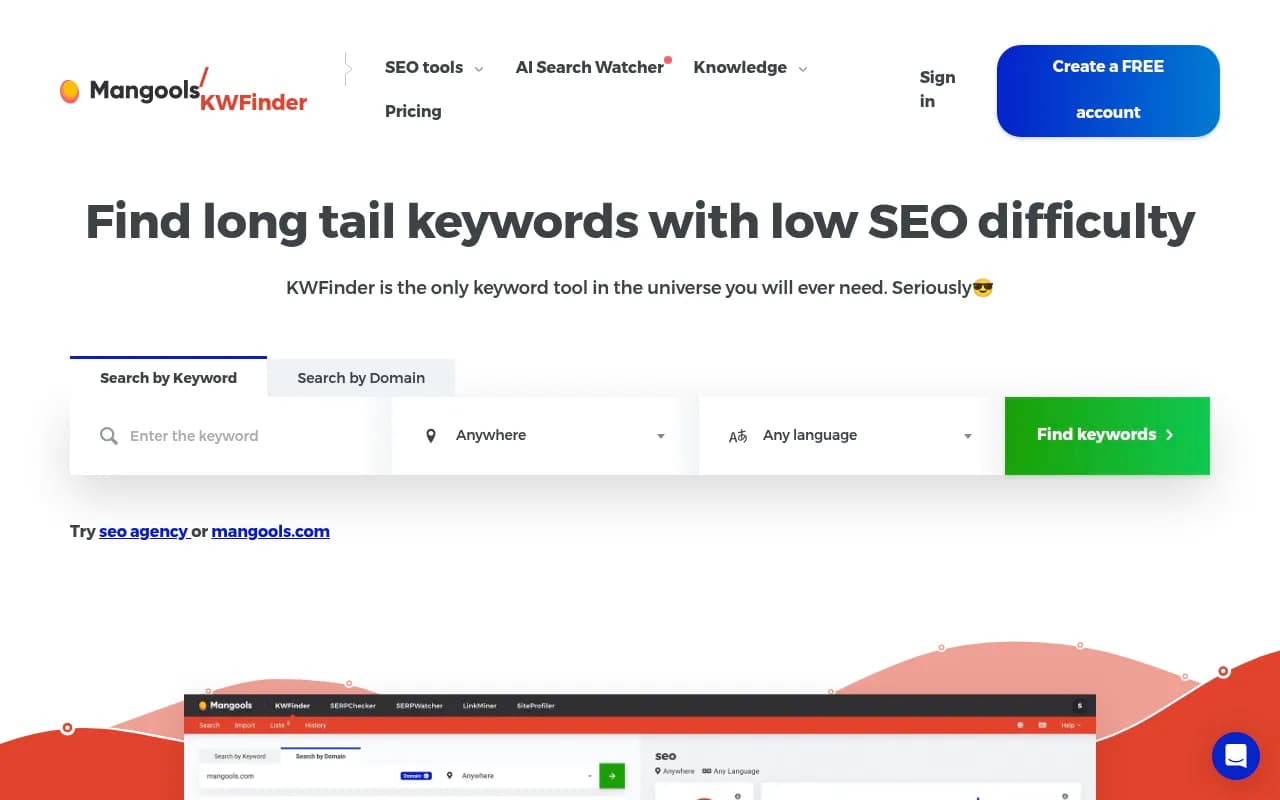
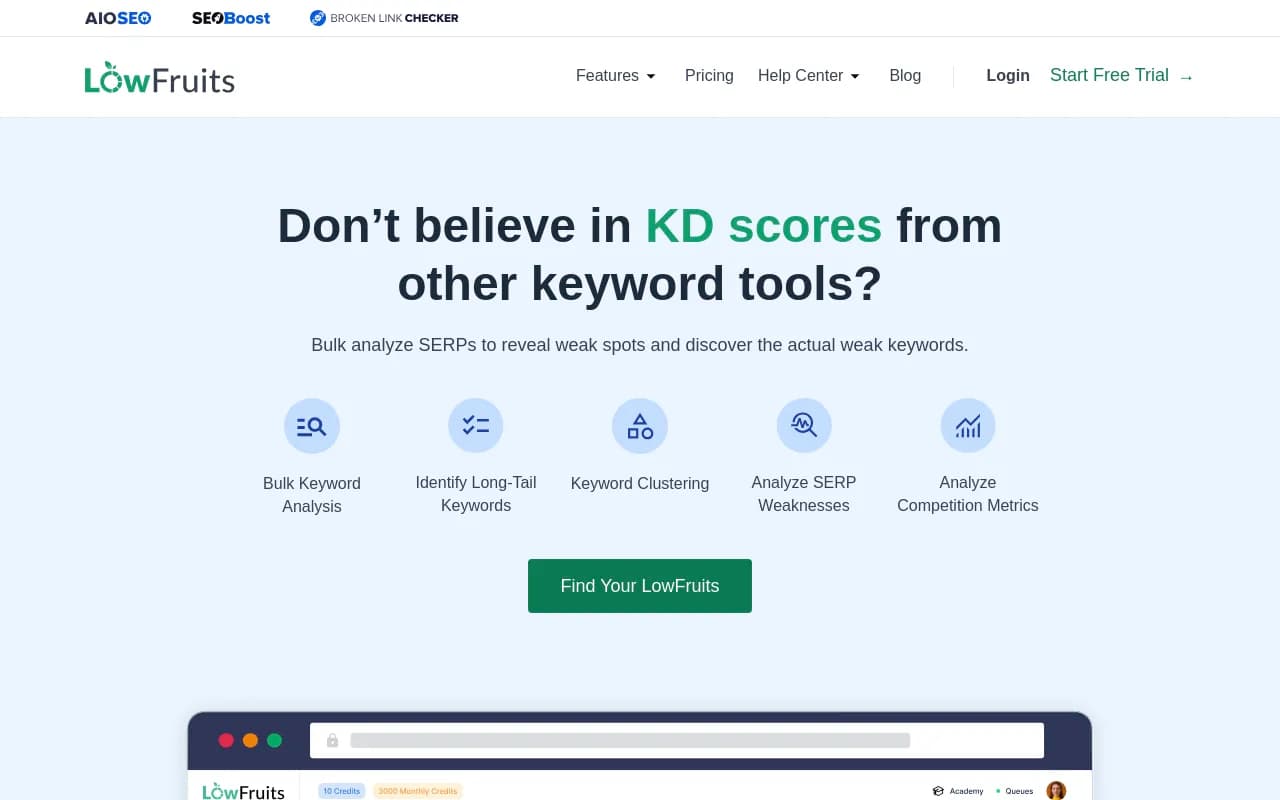
If you're a blogger or small team, tools like KWFinder and LowFruits are built specifically for finding low-competition keywords where you can actually win without a massive domain authority.
Prompt-level research (the new layer)
This is where 2026 is genuinely different from 2024. AI search engines like ChatGPT and Perplexity answer questions using specific prompts, and the prompts that drive AI traffic don't always map cleanly to traditional keyword data.
Tools like Promptwatch track which prompts AI engines are responding to, which sources they cite, and -- critically -- which prompts your competitors appear in but you don't. That last part is the Answer Gap Analysis: a direct list of content you're missing that AI models are already looking for.

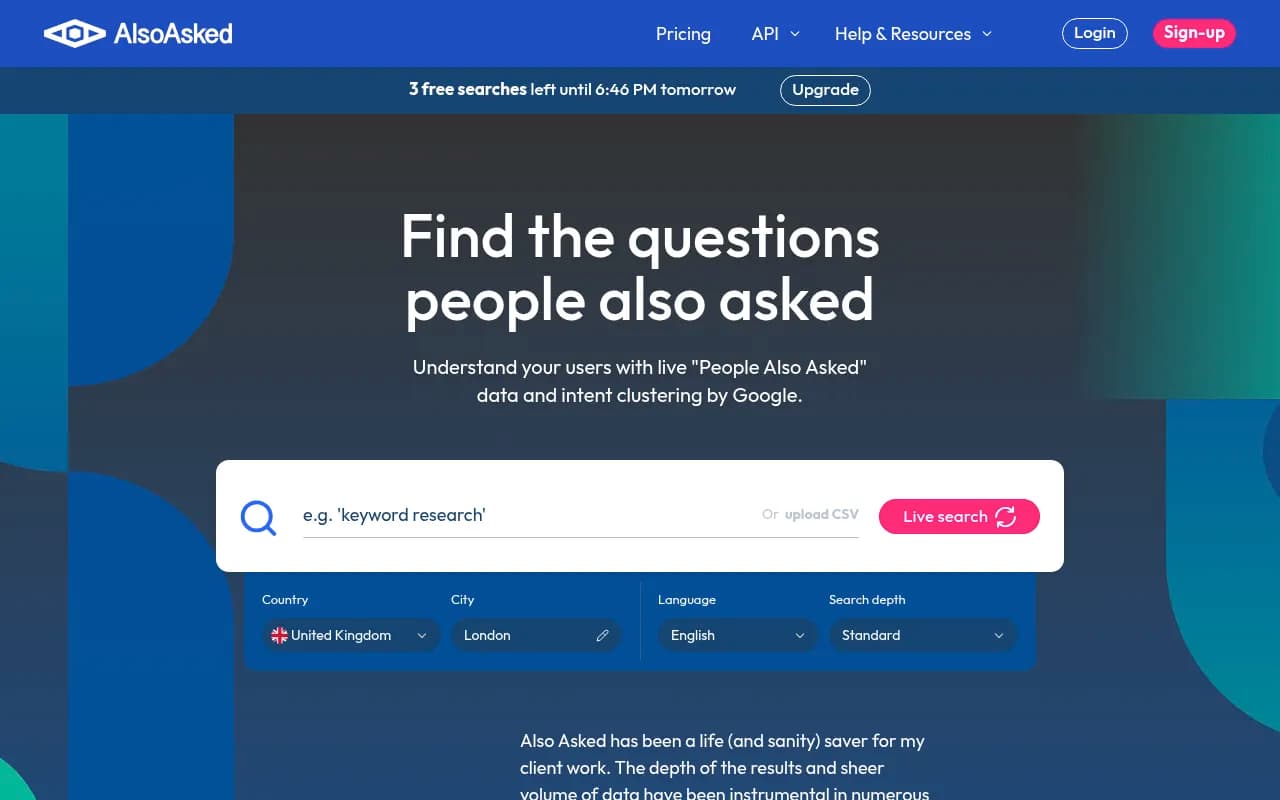
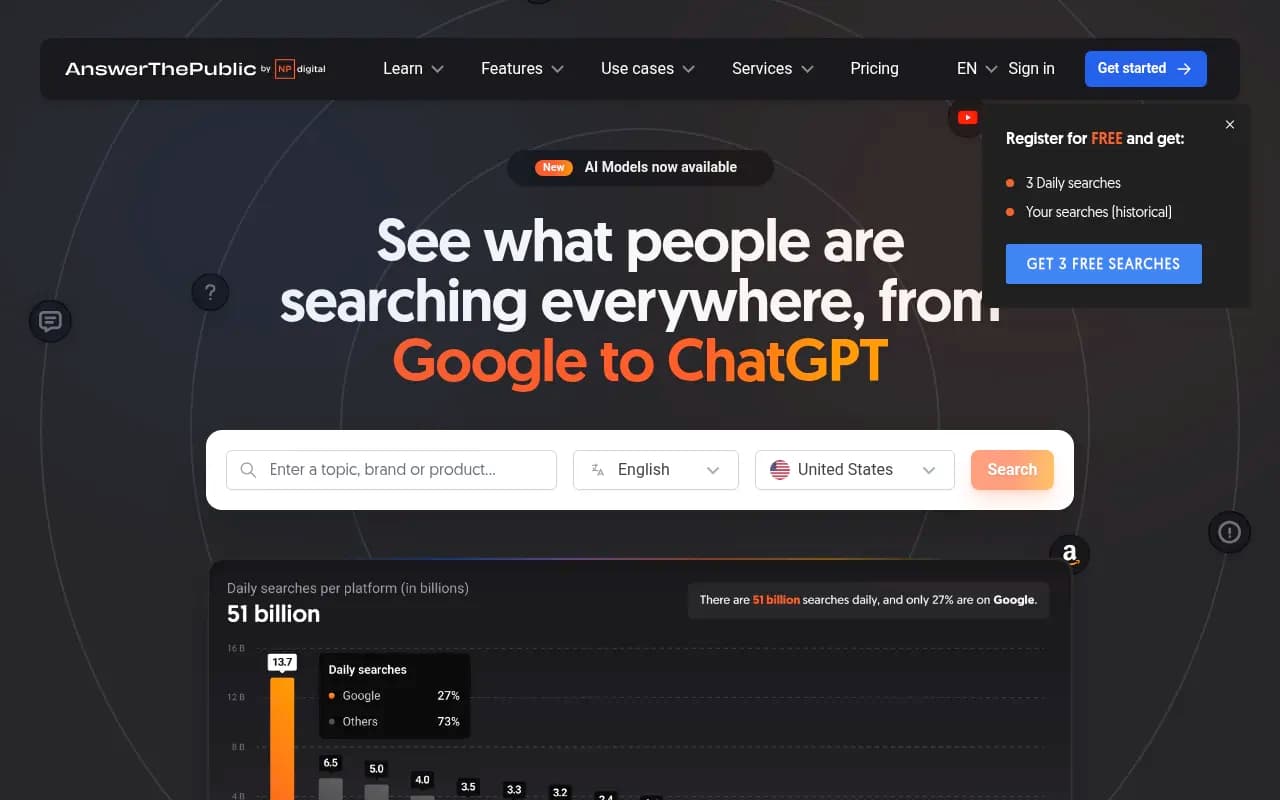
AlsoAsked and AnswerThePublic are useful for surfacing question-format queries that tend to perform well in AI answers.
Stage 2: Brief creation -- turning research into a writing plan
A brief is where research becomes actionable. The best briefs in 2026 include: target keywords, semantic topics to cover, competitor content analysis, recommended structure, and (increasingly) guidance on what AI engines expect to see in a cited source.
Dedicated brief tools
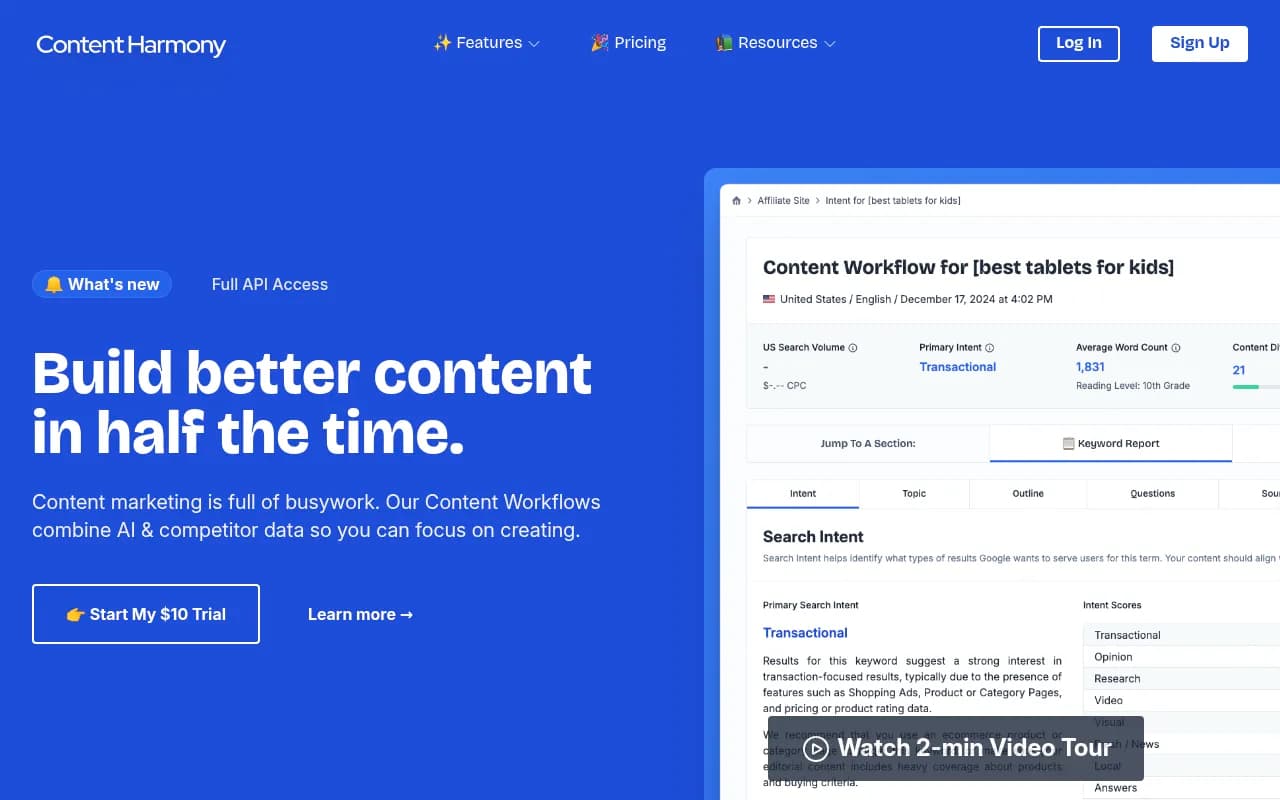
Content Harmony is one of the strongest brief builders available. It pulls SERP data, analyzes what top-ranking pages cover, and generates a structured brief with topic clusters and questions to answer. The output is detailed enough that a writer can follow it without needing to do their own research.
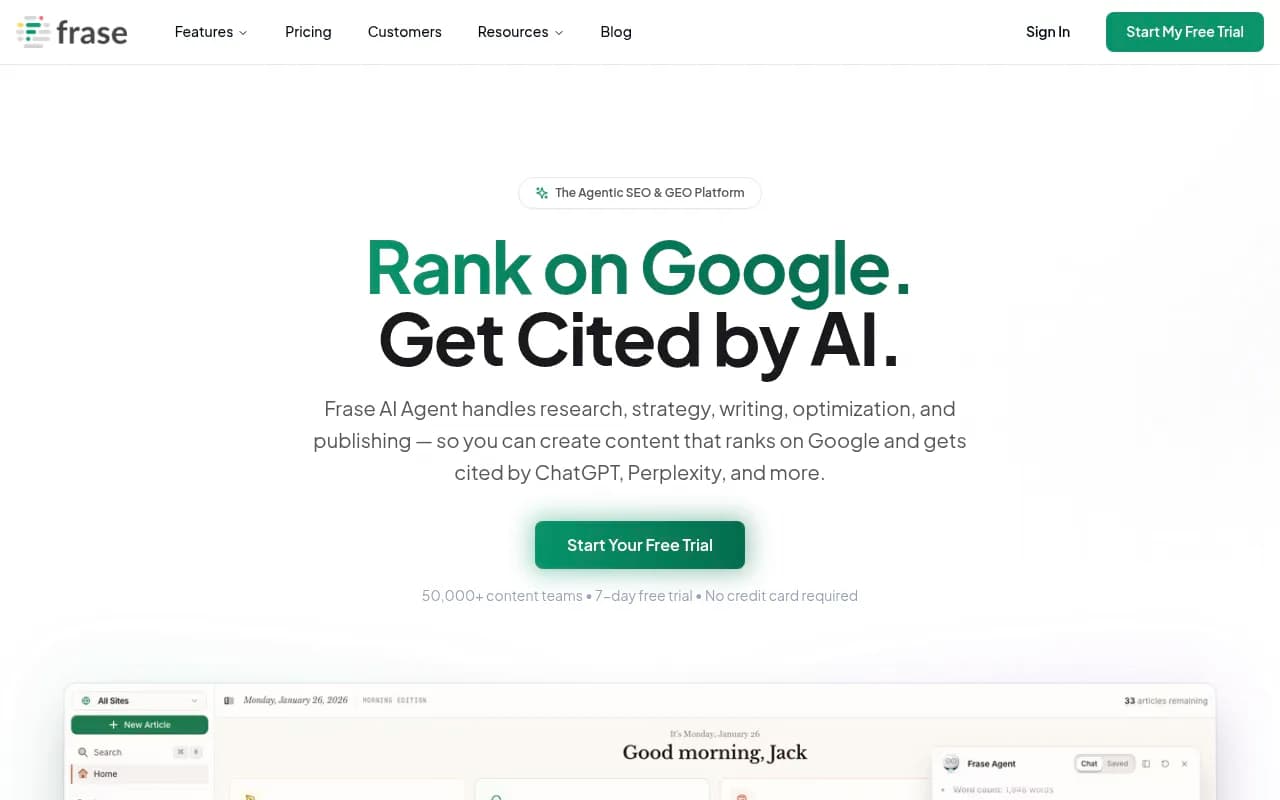
Frase takes a similar approach -- it pulls real search results, analyzes the top pages, and generates a brief alongside an AI draft. It's a bit more integrated than Content Harmony, which some teams prefer and others find limiting.
MarketMuse is the enterprise option here. It builds topic models across your entire content library, identifies gaps, and scores content against a competitive benchmark. The pricing reflects that -- it's not a tool for solo bloggers.
Brief creation inside broader platforms
If you're already using Surfer SEO or SE Ranking, their brief and outline features are good enough for most teams and save you from adding another tool to the stack.
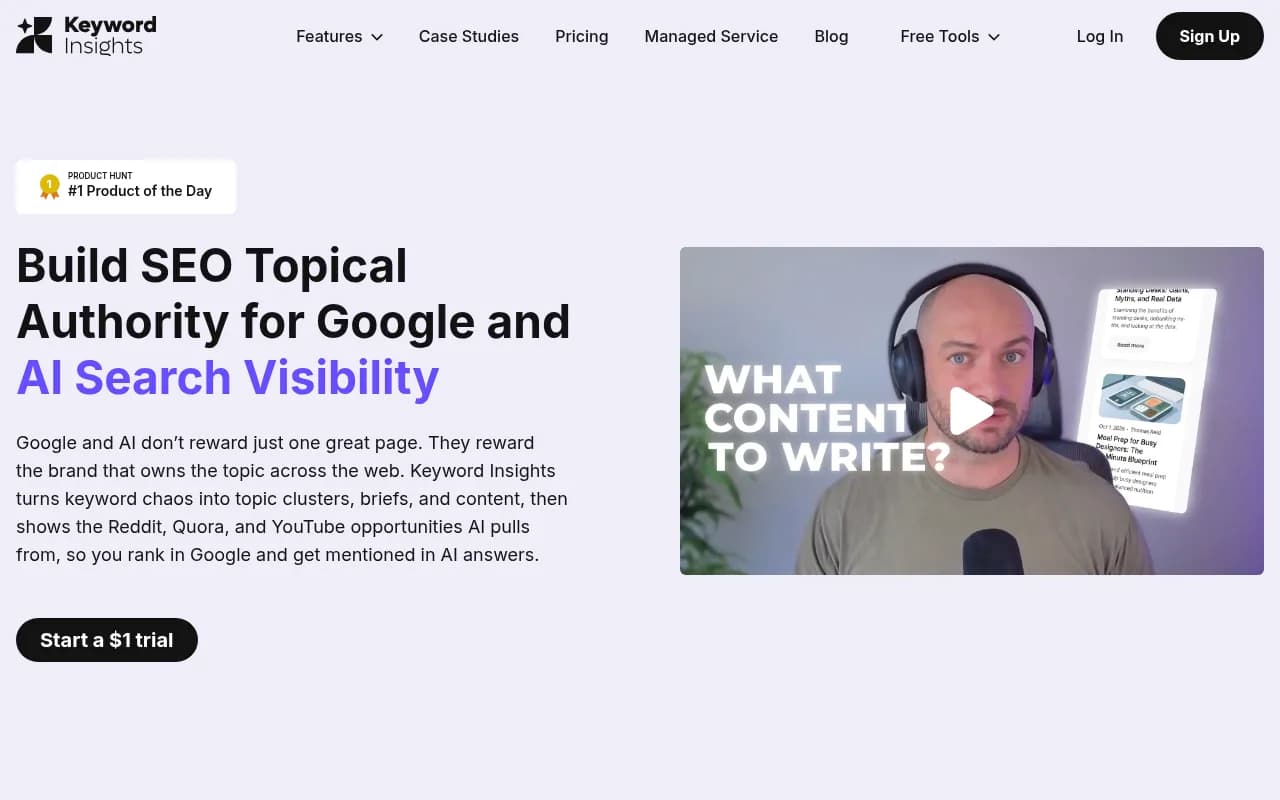
Keyword Insights is worth a mention for teams dealing with large keyword lists -- it clusters keywords by intent and generates content briefs at scale, which is useful when you're planning 50+ articles at once.
Stage 3: Writing -- generating the first draft
AI writing tools have improved dramatically. The gap between a raw AI draft and a publishable article is smaller than it was in 2023, though it hasn't closed entirely. You still need a human to check facts, add genuine expertise, and make sure the piece doesn't sound like it was assembled from plausible-sounding sentences.
Platforms built for SEO content
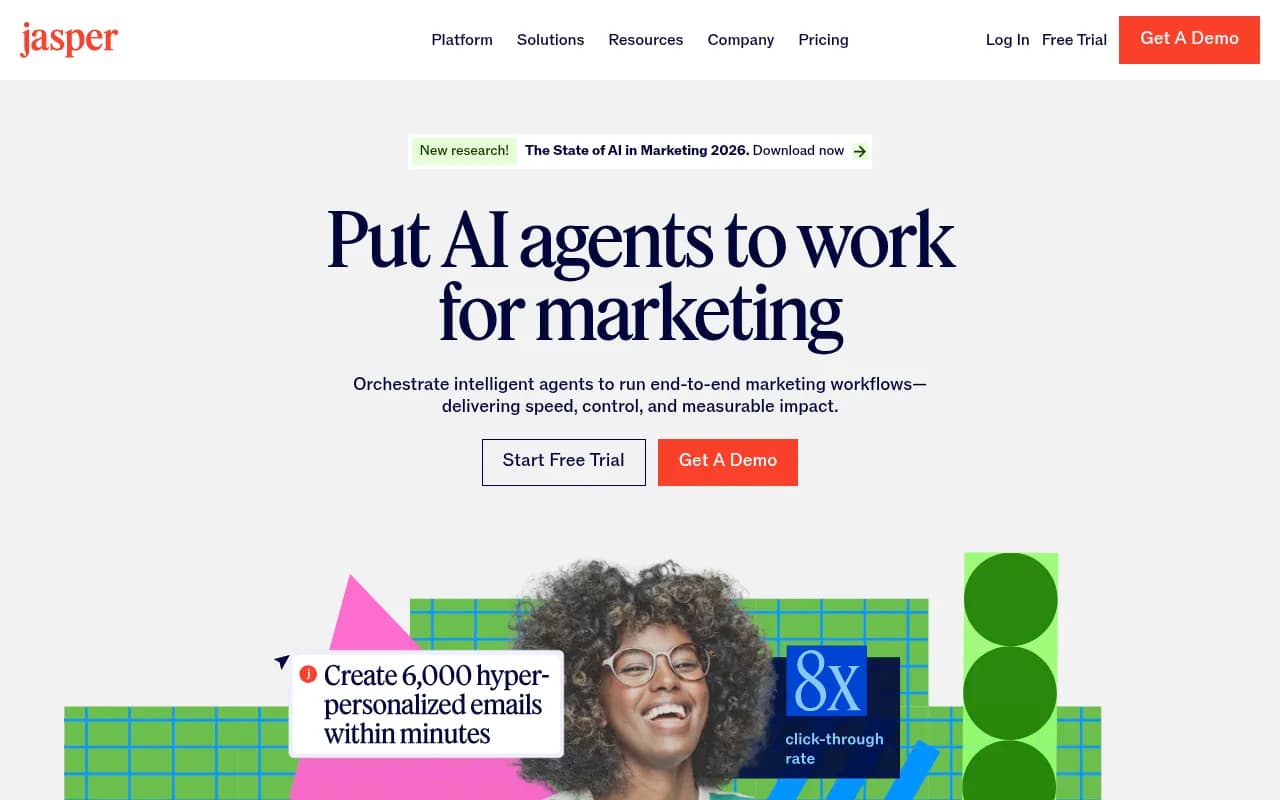
Jasper is the most mature AI writing platform for marketing teams. It has brand voice controls, a document editor, and integrations with Surfer SEO for real-time optimization as you write. The agent workflows it introduced in 2025 let you automate multi-step content pipelines.
Writesonic is a strong alternative with a lower price point. Its Chatsonic feature pulls real-time web data into drafts, which helps with accuracy on current topics.

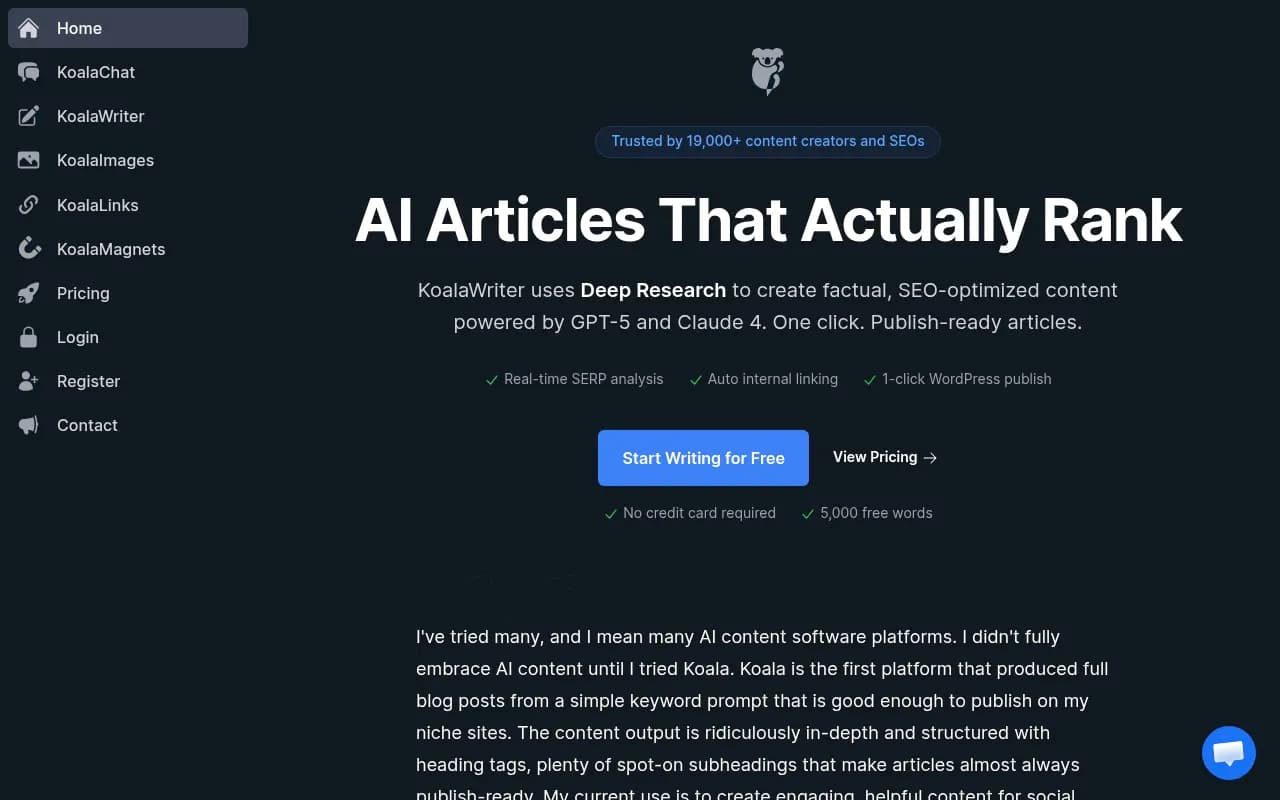
Koala AI is worth knowing about if you're producing high volumes of SEO articles. It integrates Amazon and Google data for product-focused content and can publish directly to WordPress, which cuts a step out of the workflow.
Optimization-first tools that also write
Surfer SEO's AI writer generates content scored against its NLP optimization guidelines from the start. If you're going to optimize with Surfer anyway, writing inside it makes sense.
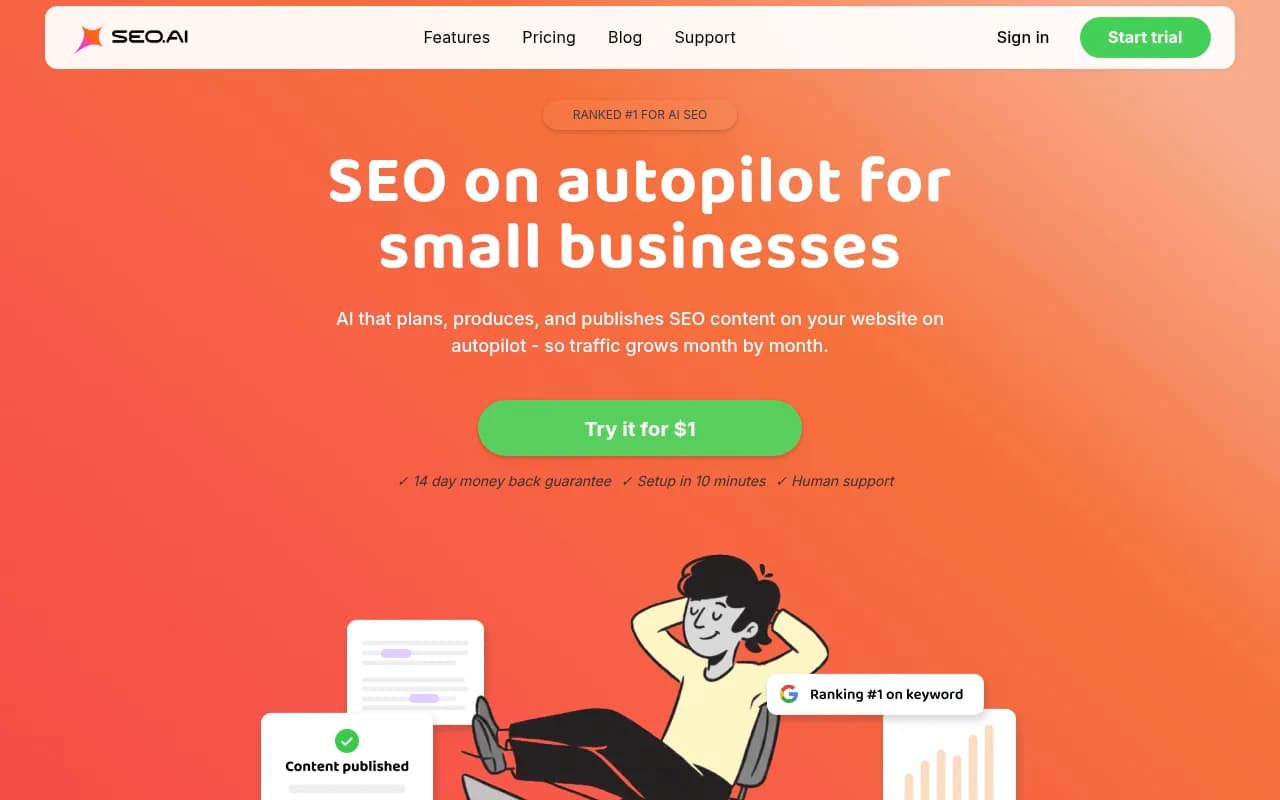
SEO.ai is built around the same idea -- write and optimize in one interface, with real-time scoring against competitor pages.
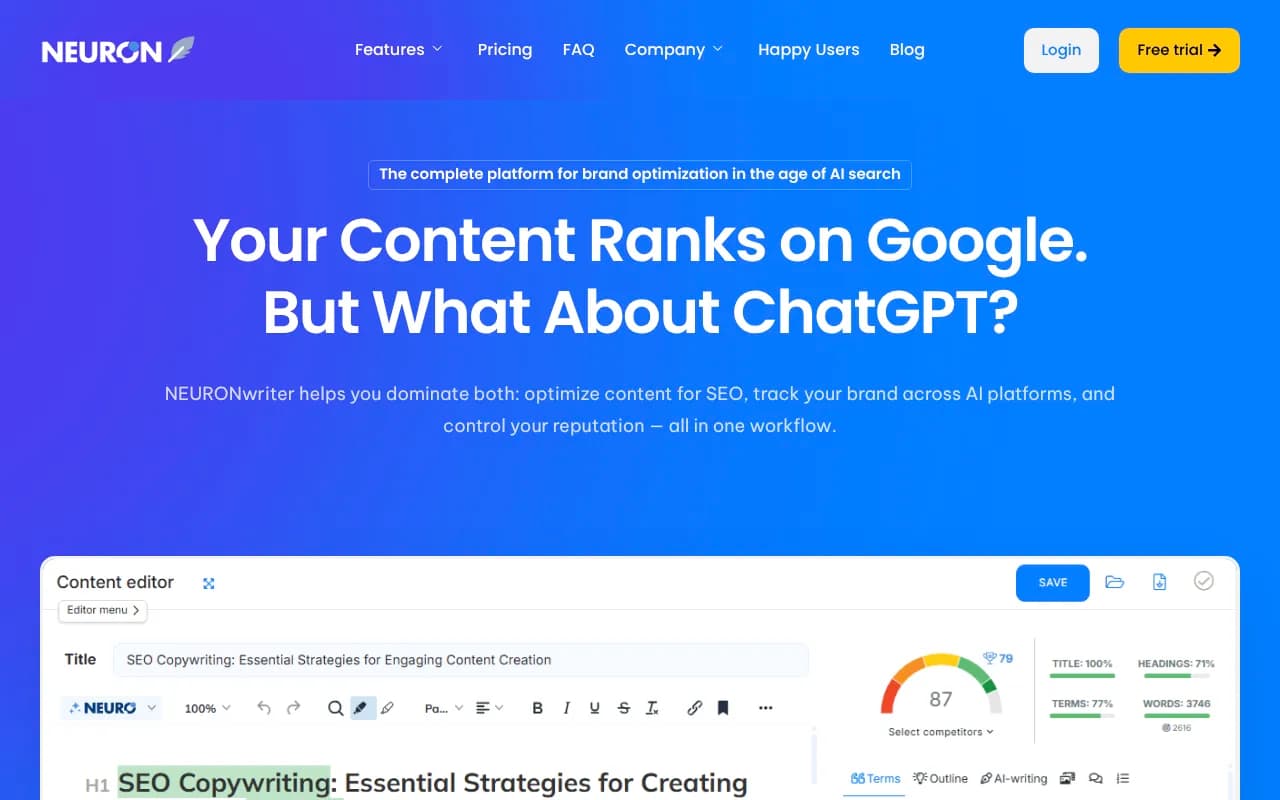
NeuronWriter is a solid mid-market option that combines NLP-based optimization with an AI writer. It's particularly popular with agencies running multiple client sites.
Long-form and research-heavy content
For content that needs to be genuinely accurate -- technical guides, financial content, healthcare -- Claude is the model most writers reach for in 2026. It handles long contexts better than most, which matters when you're feeding it research documents and asking it to synthesize.
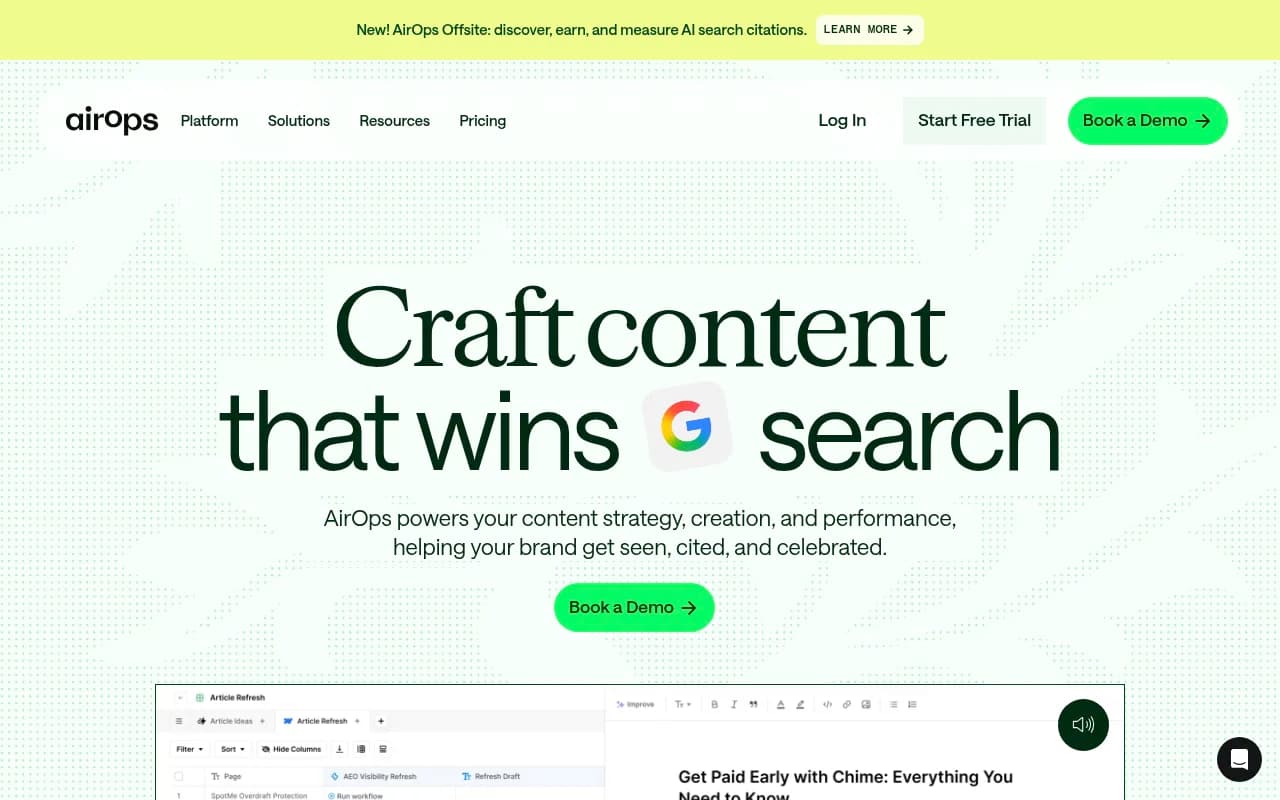
AirOps sits at the intersection of content engineering and AI writing. It's built for teams that want to create systematic content workflows -- connecting data sources, running prompts at scale, and publishing to CMS platforms automatically.
Stage 4: On-page optimization -- making sure the content can rank
Writing a good draft is only half the job. On-page optimization ensures the content is structured correctly, covers the right semantic territory, and signals relevance to both Google and AI search engines.
Real-time content scoring
Surfer SEO's content editor remains the standard here. It scores your content against the top-ranking pages for your target keyword, showing which terms to include, recommended word count, and heading structure. Most SEO writers have it open in a second tab.
Clearscope takes a cleaner approach -- it focuses on term frequency and semantic coverage without the visual noise of Surfer's interface. Some writers find it easier to use, especially for longer documents.

The Semrush Writing Assistant integrates directly into Google Docs and WordPress, which is useful for teams that don't want to switch to a dedicated editor.
WordPress-specific optimization
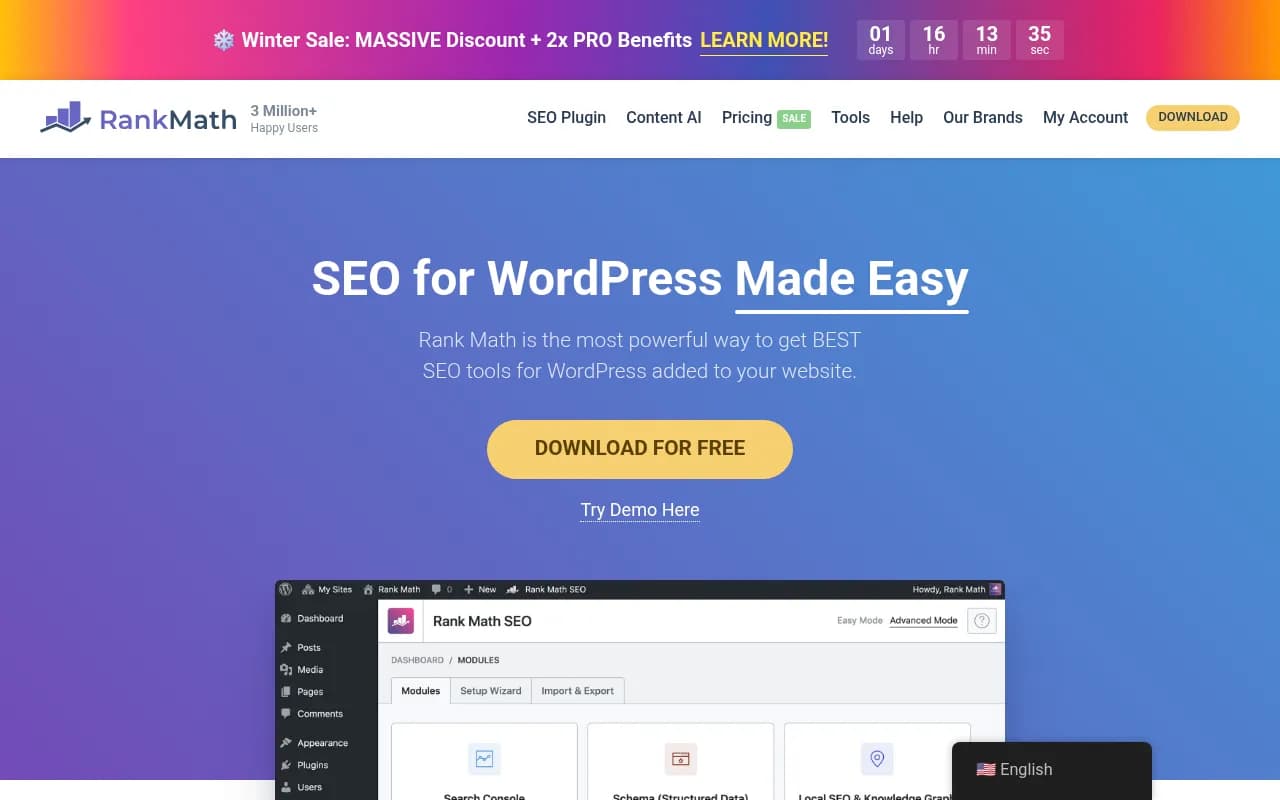
If your site runs on WordPress, Rank Math and Yoast SEO both provide real-time optimization feedback inside the editor. Rank Math has pulled ahead for most users because of its schema markup features and the depth of its free tier.

Structured data and entity optimization
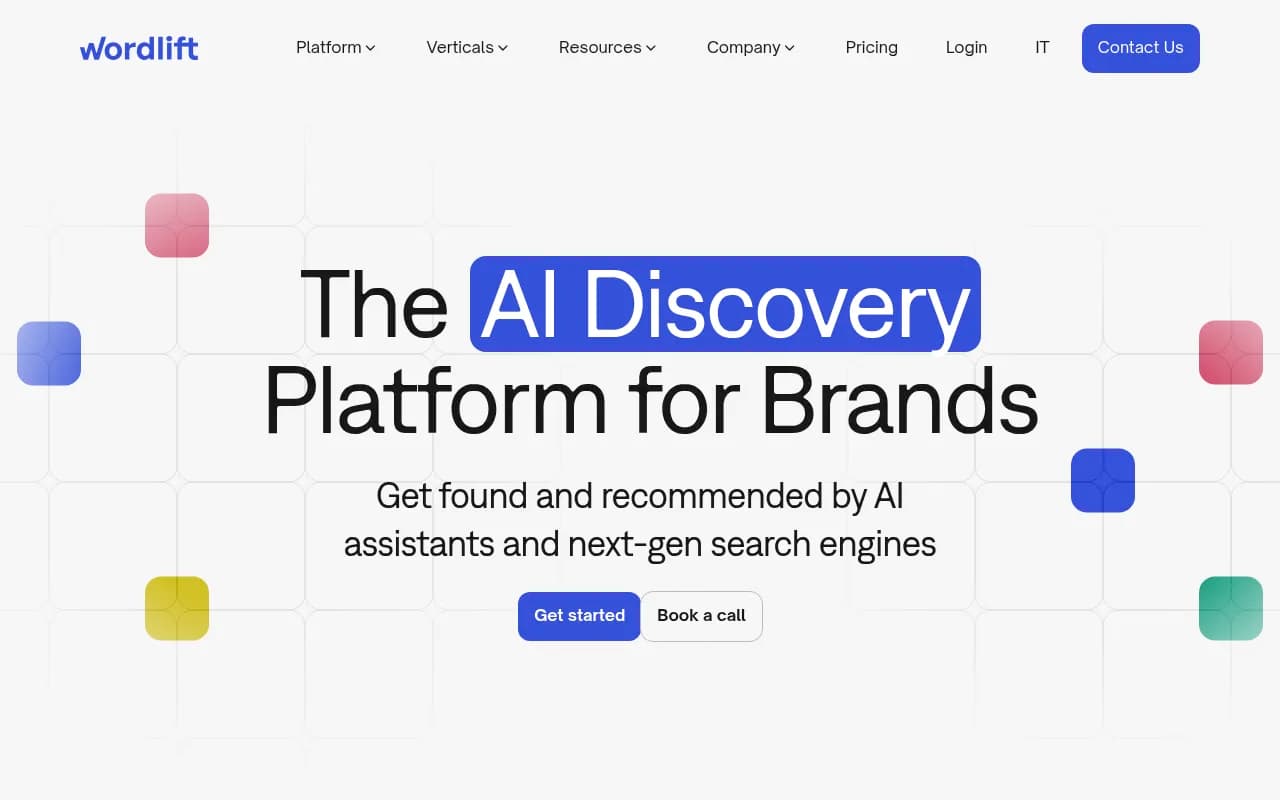
WordLift is the specialist tool here. It adds structured data markup and entity linking to your content, which helps both Google and AI engines understand what your page is about. It's not for everyone, but for sites where entity recognition matters (publishers, e-commerce, local businesses), it makes a real difference.
Stage 5: AI search visibility -- tracking and improving how AI engines cite you
This is the stage most teams are still ignoring, and it's where the biggest opportunity sits right now.
When someone asks ChatGPT "what's the best project management software for remote teams" or Perplexity "how do I reduce churn for a SaaS product," those AI engines pull from specific sources. If your content isn't being cited, you're invisible to a growing share of searchers -- and you won't know it from Google Analytics alone.
What to track
The basics: which AI engines mention your brand, how often, in response to which prompts, and how that compares to competitors. The more advanced layer: which specific pages are being cited, which prompts you're missing, and what content you need to create to close those gaps.
Tools for AI visibility
Promptwatch covers the full loop -- monitoring, gap analysis, and content generation grounded in real prompt data. It tracks 10 AI models including ChatGPT, Perplexity, Google AI Overviews, Claude, Gemini, and Grok, and its Content Agents generate articles specifically designed to fill the gaps AI models are exposing. For teams that want to go beyond monitoring and actually fix their AI visibility, it's the most complete option available.
For teams that want monitoring without the content generation layer, Otterly.AI and Profound both track brand mentions across AI engines.
Otterly.AI

Profound

AthenaHQ focuses on enterprise-scale monitoring with competitive benchmarking.

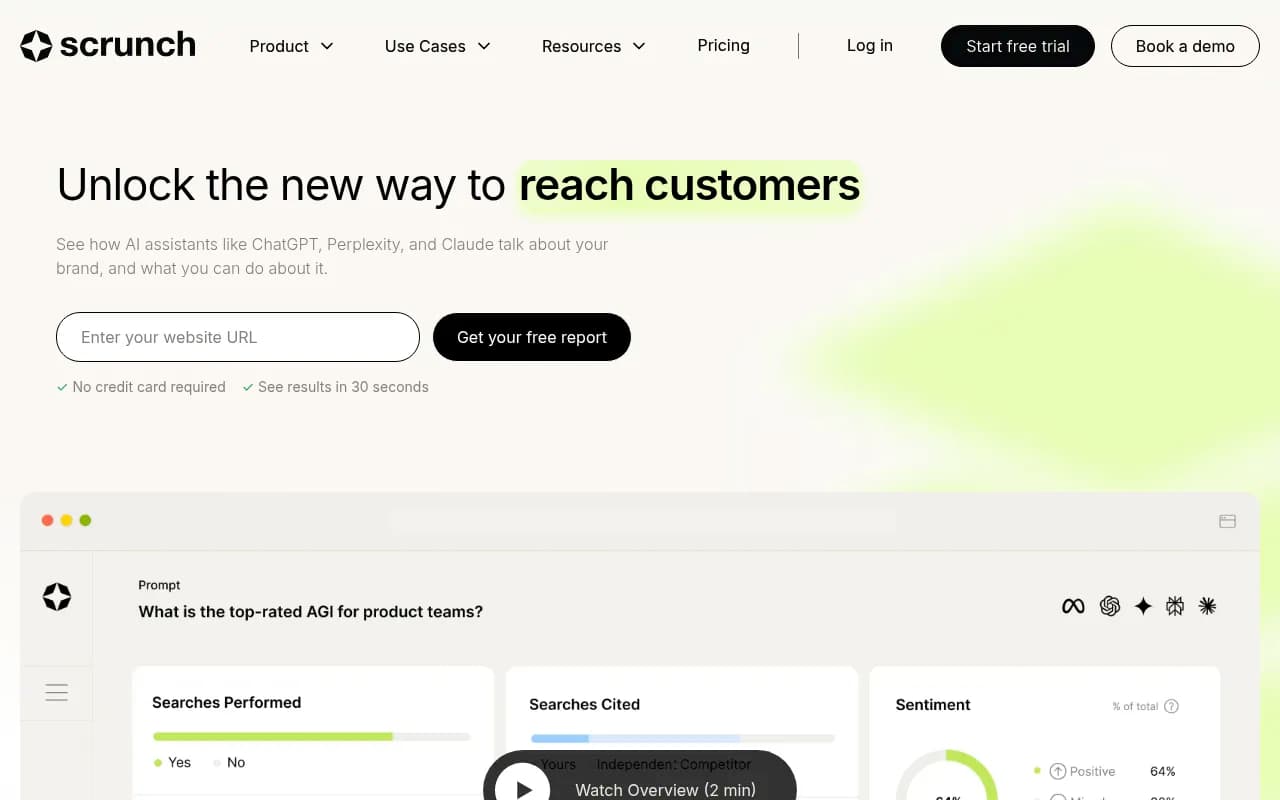
Scrunch AI combines visibility tracking with some content optimization features.
How the tools fit together: a practical stack
Here's how a typical content team might combine these tools in 2026:
| Stage | Budget option | Mid-market | Enterprise |
|---|---|---|---|
| Keyword research | Google Keyword Planner + LowFruits | Ahrefs / SE Ranking | Ahrefs / Semrush |
| Prompt research | AnswerThePublic | Promptwatch | Promptwatch |
| Brief creation | Frase | Content Harmony | MarketMuse |
| Writing | Writesonic | Jasper + Surfer | Jasper + AirOps |
| On-page optimization | Rank Math | Surfer SEO | Clearscope |
| AI visibility | Otterly.AI | Promptwatch | Promptwatch |
A few notes on this table. First, Promptwatch appears in both the prompt research and AI visibility rows because it covers both -- you can use it to find what to write about and then track whether the resulting content gets cited. Second, the budget column is genuinely functional; you don't need to spend $500/month to run a solid content operation. Third, the enterprise column isn't just about features -- it's about scale, team collaboration, and reporting.
The part most guides skip: content engineered for AI citation
There's a meaningful difference between content that ranks on Google and content that gets cited by AI engines. Google rewards comprehensive, well-structured pages with strong backlink profiles. AI engines reward pages that directly answer specific questions, use clear factual claims, and are written in a way that's easy to extract and summarize.
That means the brief creation and writing stages need to account for AI citation patterns, not just traditional SEO signals. What questions does this prompt typically generate? What format do cited sources tend to use? Does the page make a clear, quotable claim that an AI engine can pull?
This is where tools like Promptwatch's Content Agents earn their keep -- they generate briefs and drafts grounded in actual prompt data and citation patterns, not just keyword frequency. The output isn't generic SEO content; it's content built around the specific gaps AI models are already surfacing.
Choosing your starting point
If you're building a content stack from scratch, start with the research and optimization layers -- Ahrefs or SE Ranking for keyword research, Surfer SEO or Clearscope for on-page optimization, and a writing tool that fits your team's workflow.
Then add AI visibility tracking. Even a basic monitoring setup will show you things your Google Analytics data can't: which AI engines are sending traffic, which competitors are being cited instead of you, and which content gaps are costing you the most.
The teams pulling ahead right now aren't the ones with the biggest content budgets. They're the ones who figured out that AI search is a different game with different rules, and started playing it seriously.