Key takeaways
- AI search engines (ChatGPT, Perplexity, Gemini, Claude) now send measurable referral traffic, so optimizing only for Google leaves real visitors on the table.
- The core blogger toolkit in 2026 has two layers: traditional SEO tools for Google rankings, and a new layer of AI visibility tools to track and improve how LLMs cite your content.
- Keyword research, content optimization, and rank tracking still matter -- but the signals AI models use to cite sources are different from Google's ranking factors.
- Free tools like Google Search Console and Google Keyword Planner remain essential starting points; paid tools like Surfer SEO, Ahrefs, and Semrush handle the heavy lifting for Google.
- For AI search visibility specifically, platforms like Promptwatch go beyond monitoring to help you find content gaps and generate content that actually gets cited.
Something shifted in late 2024 and accelerated through 2025: bloggers started noticing traffic from sources they didn't recognize. Not Google, not Bing. ChatGPT. Perplexity. Claude. Gemini. By mid-2026, this is no longer a curiosity -- it's a real traffic channel that serious content creators can't ignore.
The problem is that most SEO advice still treats "search" as synonymous with "Google." That made sense for 25 years. It doesn't fully hold anymore. AI search engines work differently, cite sources differently, and respond to different optimization signals. Your existing toolkit probably handles Google well. Whether it handles AI search is a different question.
This guide covers both layers: the traditional SEO tools that still matter for Google, and the newer tools built specifically for AI search visibility. If you're a blogger or content creator trying to figure out what's actually worth your time and money in 2026, this is the breakdown.
Why the toolkit had to change
Google's AI Overviews now appear on a huge percentage of informational queries -- the kind bloggers have always targeted. When someone asks "what's the best protein powder for runners," they often get a synthesized answer at the top of the page, with a handful of cited sources. Click-through rates to the traditional blue links below dropped noticeably for many content sites through 2025.
Meanwhile, a growing number of people skip Google entirely and ask ChatGPT or Perplexity directly. These tools pull from their training data and live web browsing, surface sources, and link back to them. That's new traffic. Not huge yet for most bloggers, but it's growing fast and the early movers are building citation authority now.
The practical implication: you need tools that help you rank in Google and tools that help you get cited by AI models. These aren't the same thing, and the overlap in tooling is smaller than you'd expect.
The foundation: tools every blogger still needs for Google
Keyword research
Nothing about keyword research has become less important. If anything, understanding search intent matters more now because AI Overviews absorb the informational queries and leave transactional and navigational queries more exposed in traditional results.
Google Keyword Planner is still free and still useful for volume estimates, especially if you're running any Google Ads alongside your content.
Ahrefs remains the gold standard for keyword research if you can afford it. The keyword explorer is fast, the difficulty scores are reliable, and the content gap analysis between your site and competitors is genuinely useful. The 2026 version also includes some AI search tracking via Brand Radar, though it's limited compared to dedicated tools.
Semrush is the other big player. Slightly better for PPC research, comparable for organic. The Keyword Magic Tool is excellent for finding long-tail variations. Semrush has also built out AI visibility features, though they use fixed prompt sets rather than custom tracking.
For bloggers on tighter budgets, KWFinder and Keysearch are solid alternatives that cost a fraction of Ahrefs or Semrush.
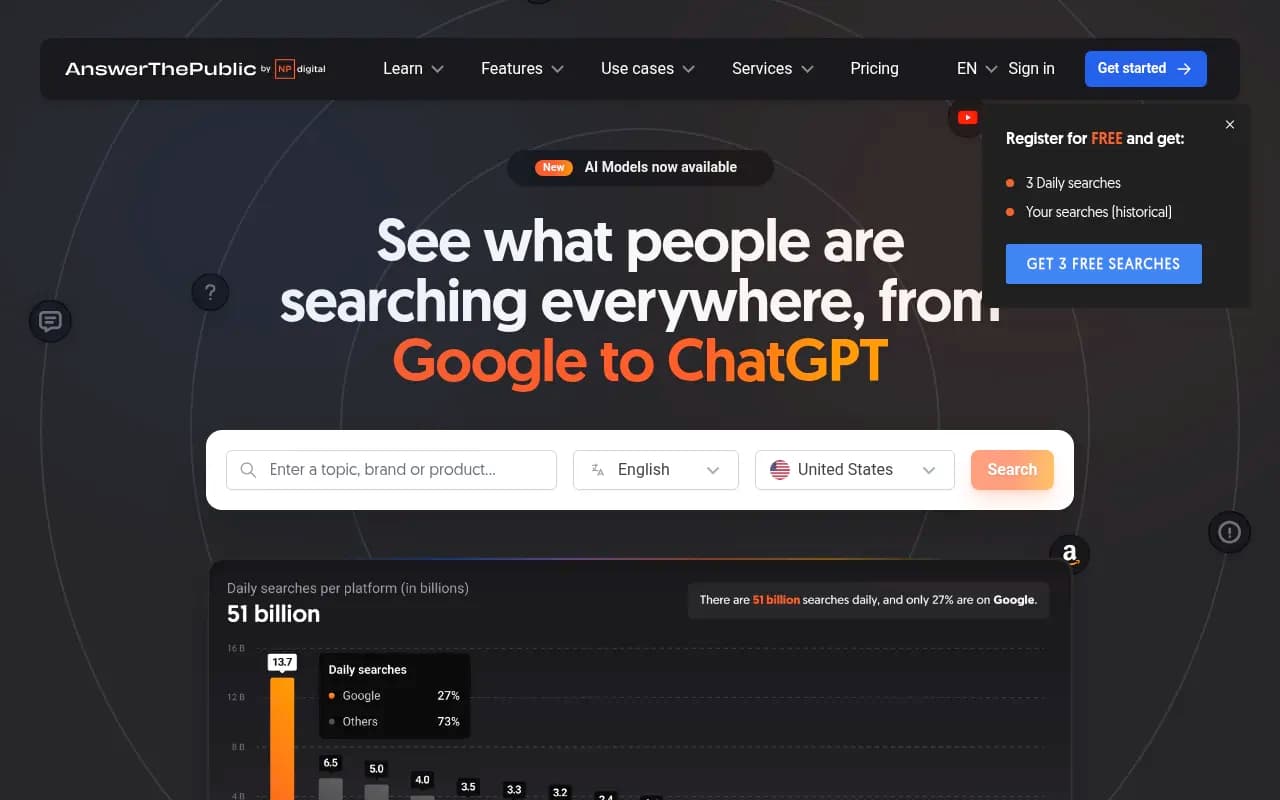
AnswerThePublic is worth keeping in your research stack specifically for question-based queries -- the kind that AI models are most likely to synthesize answers for. Understanding what questions people ask helps you write content that both Google and AI engines want to surface.
Content optimization
Once you know what to write about, you need to write it well enough to rank. Content optimization tools analyze the top-ranking pages for your target keyword and tell you what topics, entities, and terms your content needs to cover.
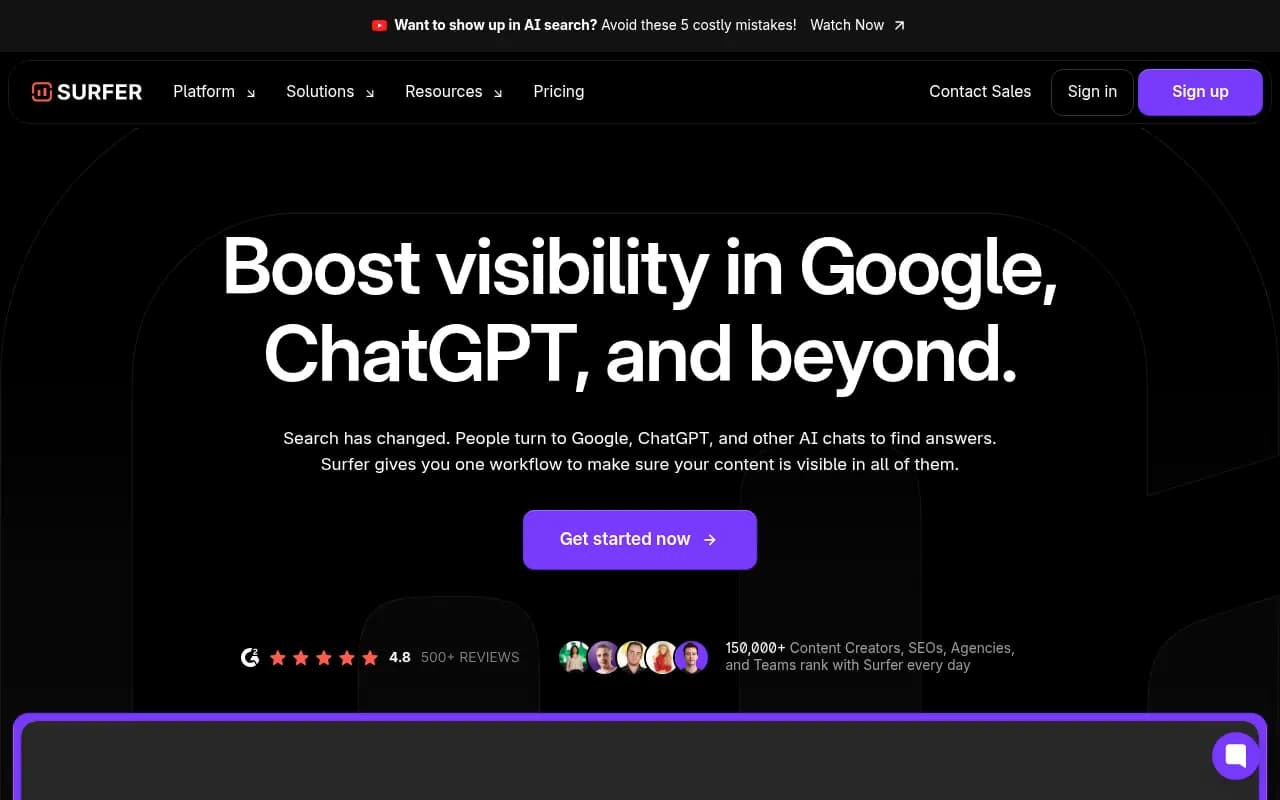
Surfer SEO is the most popular choice among working bloggers and content teams. The Content Editor gives you a real-time score as you write, flagging missing terms and structural issues. It integrates with Google Docs and WordPress, which matters for workflow.
Clearscope is the other major player here -- slightly more expensive, but the interface is cleaner and the term suggestions tend to be more precise. Better for teams that care about editorial quality, not just hitting a score.

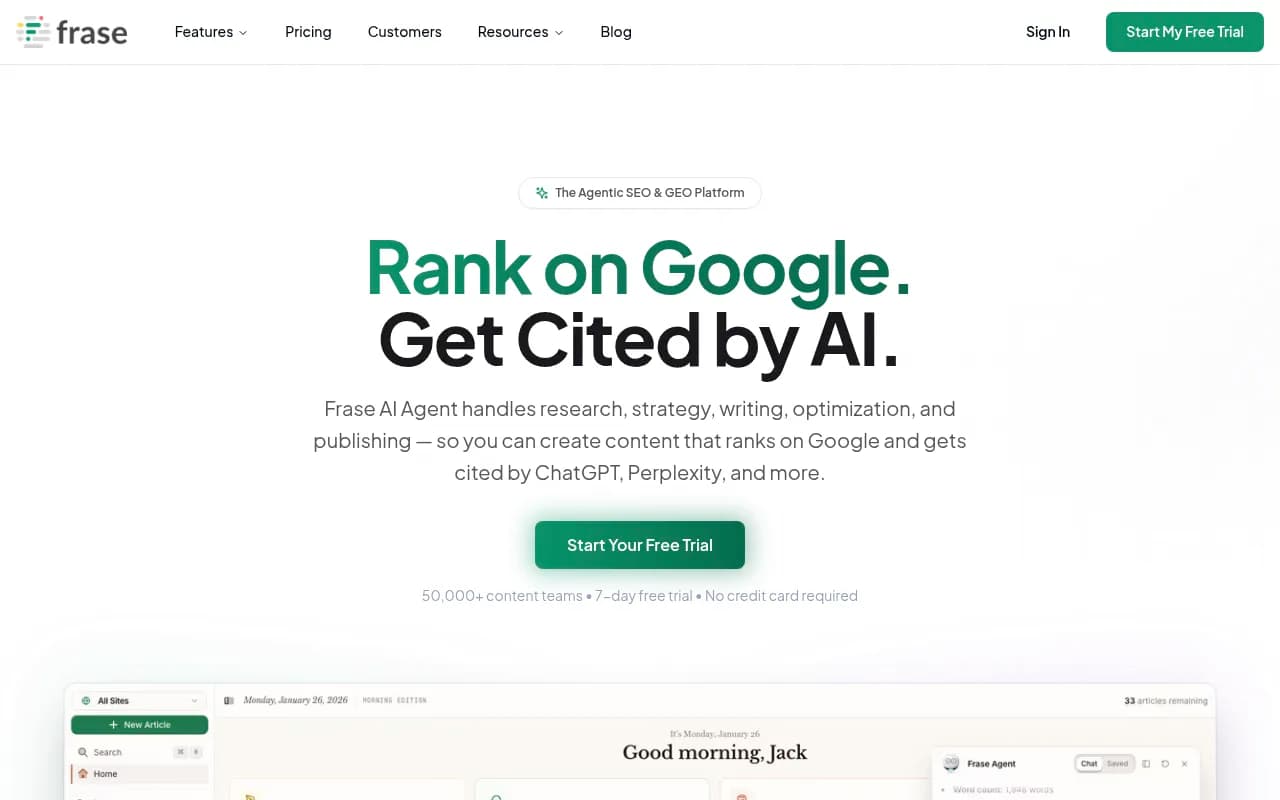
Frase sits at a lower price point and combines content brief generation with an AI writing assistant. Good for solo bloggers who want one tool to handle research and drafting.
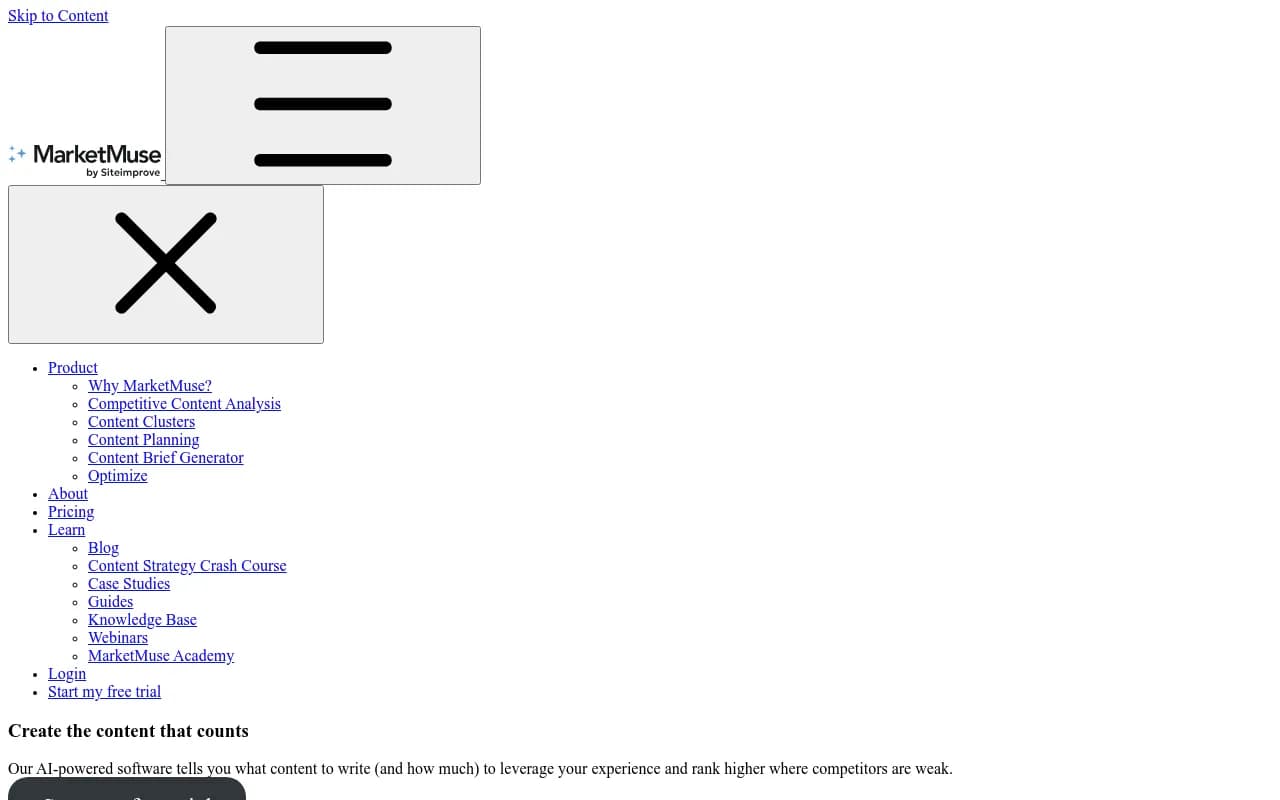
MarketMuse takes a more strategic angle -- it maps your entire site's topical authority rather than just optimizing individual posts. More useful once you have a significant content library to analyze.
Rank tracking
You need to know if your content is actually moving up in Google. This is table stakes.
AccuRanker is the fastest rank tracker on the market with on-demand updates. If you're running content experiments or need fresh data quickly, it's hard to beat.
SE Ranking is a solid all-in-one alternative that includes rank tracking, site audits, and content tools at a more accessible price point.
Google Search Console remains free and essential. It's the only tool that shows you actual impressions and clicks from Google, and the performance data is more reliable than third-party estimates.
Technical SEO
Most bloggers don't need enterprise-grade technical SEO tools. But a few basics matter.
Screaming Frog SEO Spider is the crawler most SEO professionals use for site audits. The free version handles up to 500 URLs, which is enough for smaller blogs.
Google PageSpeed Insights is free and tells you where your Core Web Vitals stand. Slow sites rank worse and get crawled less frequently by both Google and AI crawlers.
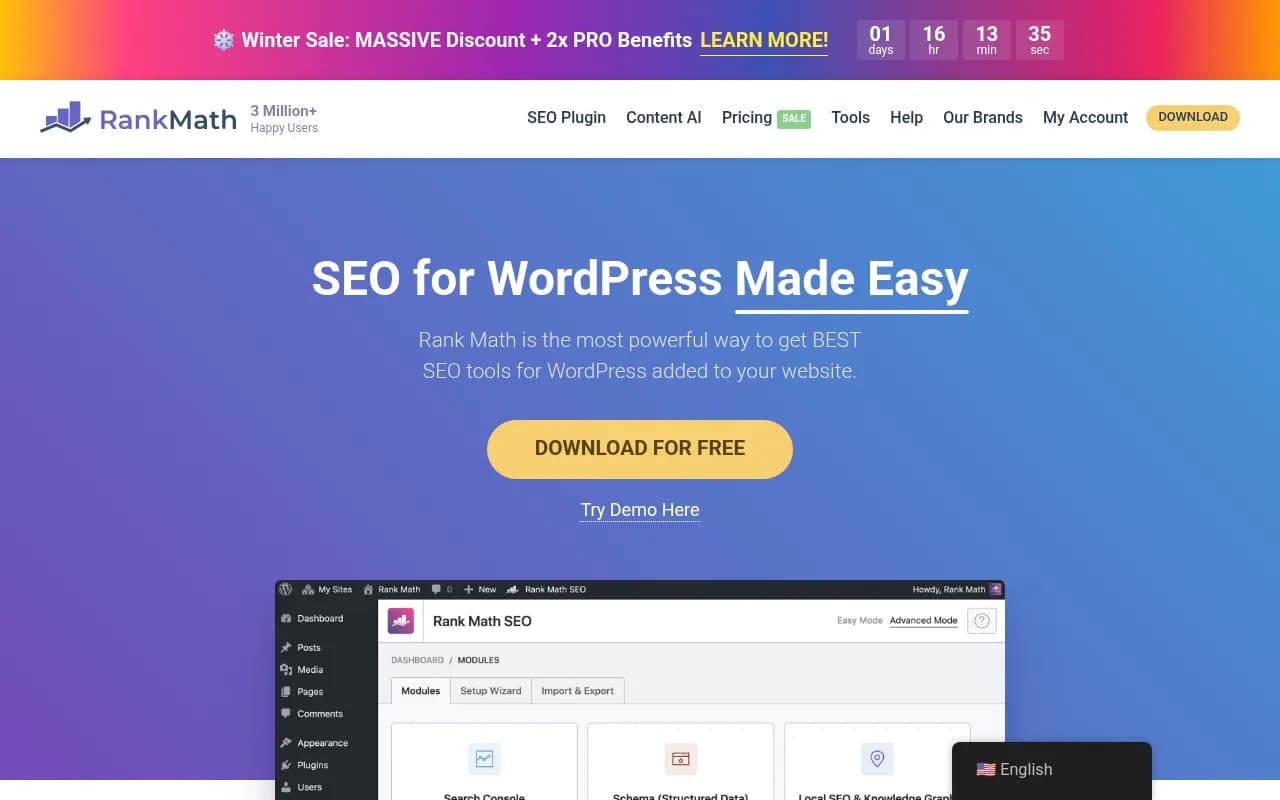
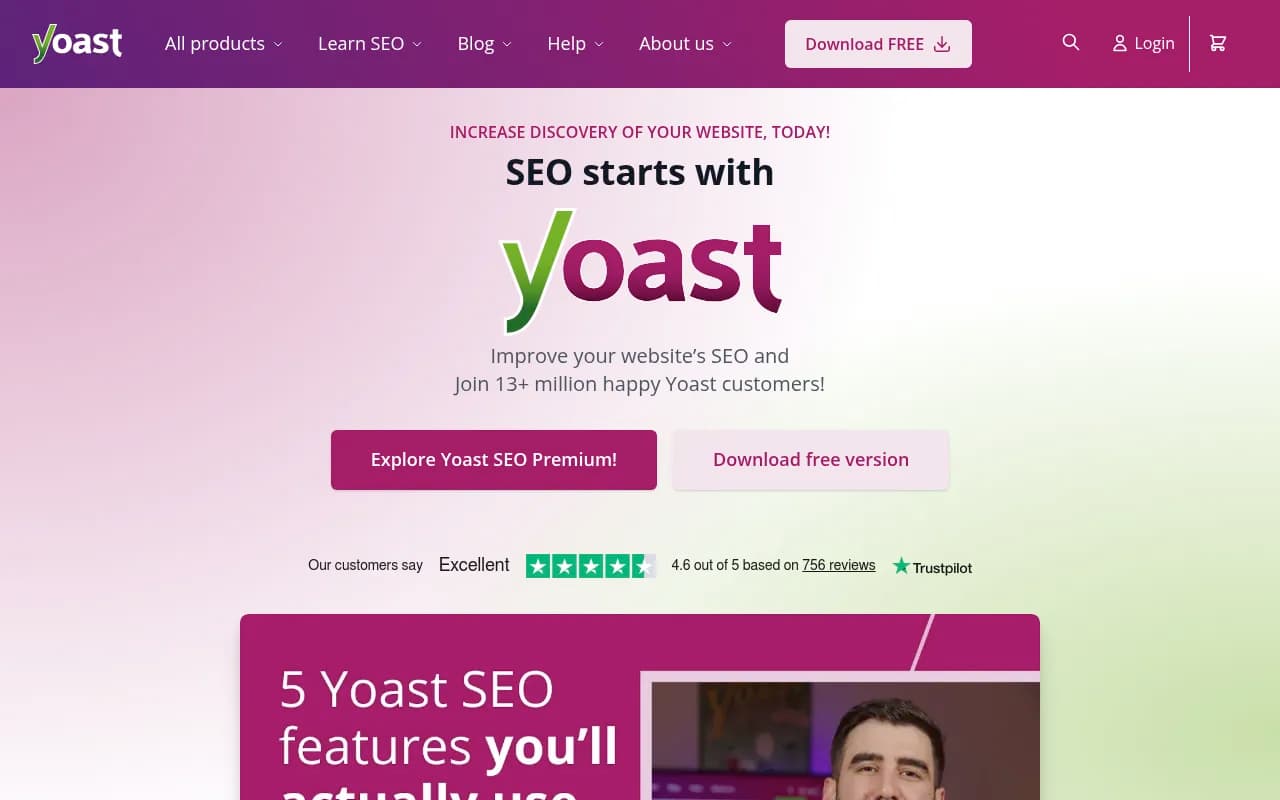
For WordPress users specifically, Rank Math and Yoast SEO handle on-page optimization automatically -- meta tags, schema markup, XML sitemaps, and readability checks.
Writing and editing
Grammarly handles grammar, tone, and clarity. It's not glamorous, but it catches the errors that make readers bounce and editors cringe.

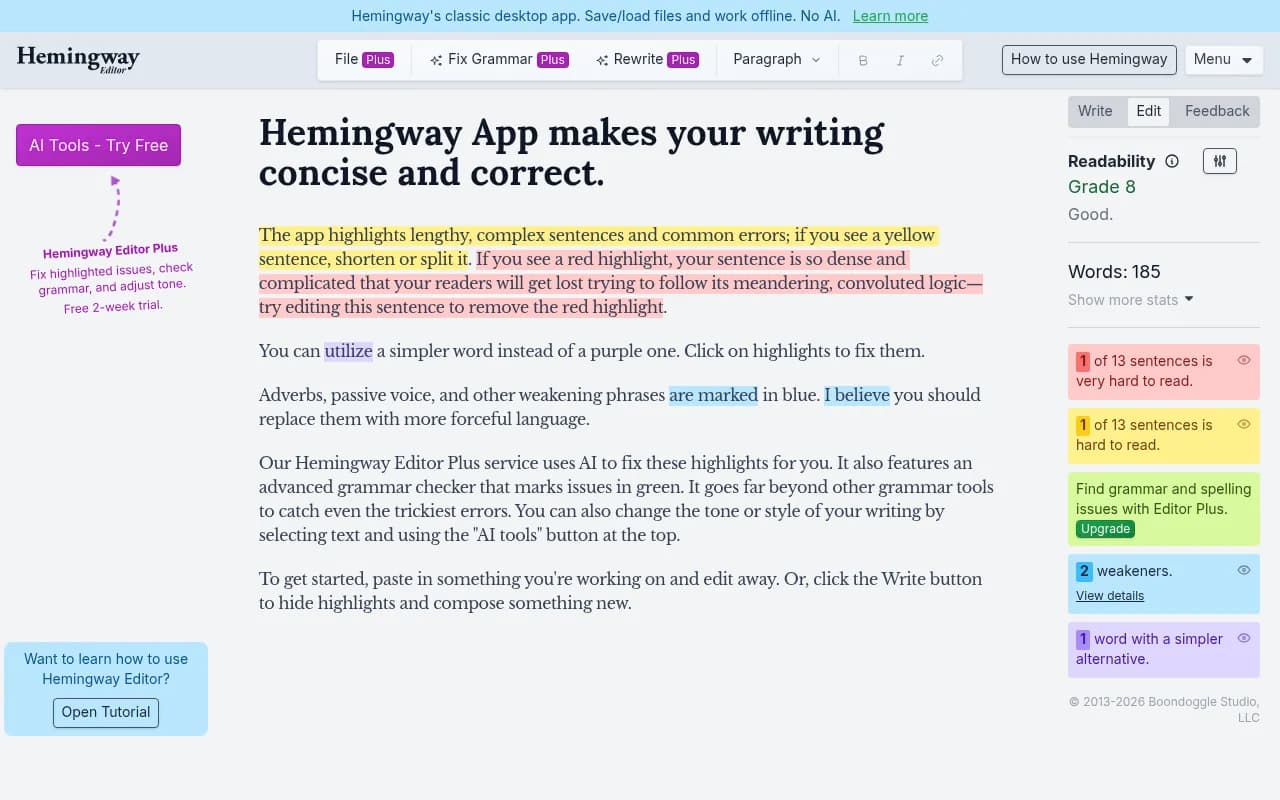
Hemingway Editor is useful for cutting unnecessary complexity. Shorter sentences, simpler words, higher readability scores -- all of which correlate with better engagement metrics.
The new layer: tools for AI search visibility
This is where 2026 is genuinely different from 2024. AI search engines don't rank pages the way Google does. They synthesize answers from sources they trust, and the factors that make them trust your content are different: entity recognition, citation patterns, structured data, topical authority signals, and whether your content directly answers the specific questions being asked.
Tracking your visibility in AI search requires different tools. And improving it requires understanding why you're not being cited for certain queries.
Monitoring your AI search presence
The simplest starting point is knowing whether AI engines are mentioning your brand or citing your content at all. Several tools have emerged to track this.
Promptwatch is the most comprehensive option in this category. It tracks your visibility across 10 AI models (ChatGPT, Perplexity, Claude, Gemini, Google AI Overviews, DeepSeek, Grok, and more), but what separates it from monitoring-only tools is what happens after you see the data. The Answer Gap Analysis shows you exactly which prompts competitors are being cited for that you're not. Then Content Agents help you create the specific content needed to close those gaps -- articles, listicles, and comparisons grounded in real prompt data and citation patterns. It also includes AI Crawler Logs that show you which pages AI bots are actually reading, how often, and whether those crawls are converting to citations.

For bloggers who want simpler monitoring without the full optimization workflow, Otterly.AI tracks brand mentions across ChatGPT, Perplexity, and Google AI Overviews.
Otterly.AI

Profound is another solid option, particularly for brands that need to track multiple competitors across many prompts.
Profound

Understanding what content AI models want
The gap between "what you've written" and "what AI models want to cite" is where most content creators are losing ground. AI engines tend to cite content that directly and comprehensively answers specific questions -- not content that's optimized for a broad keyword.
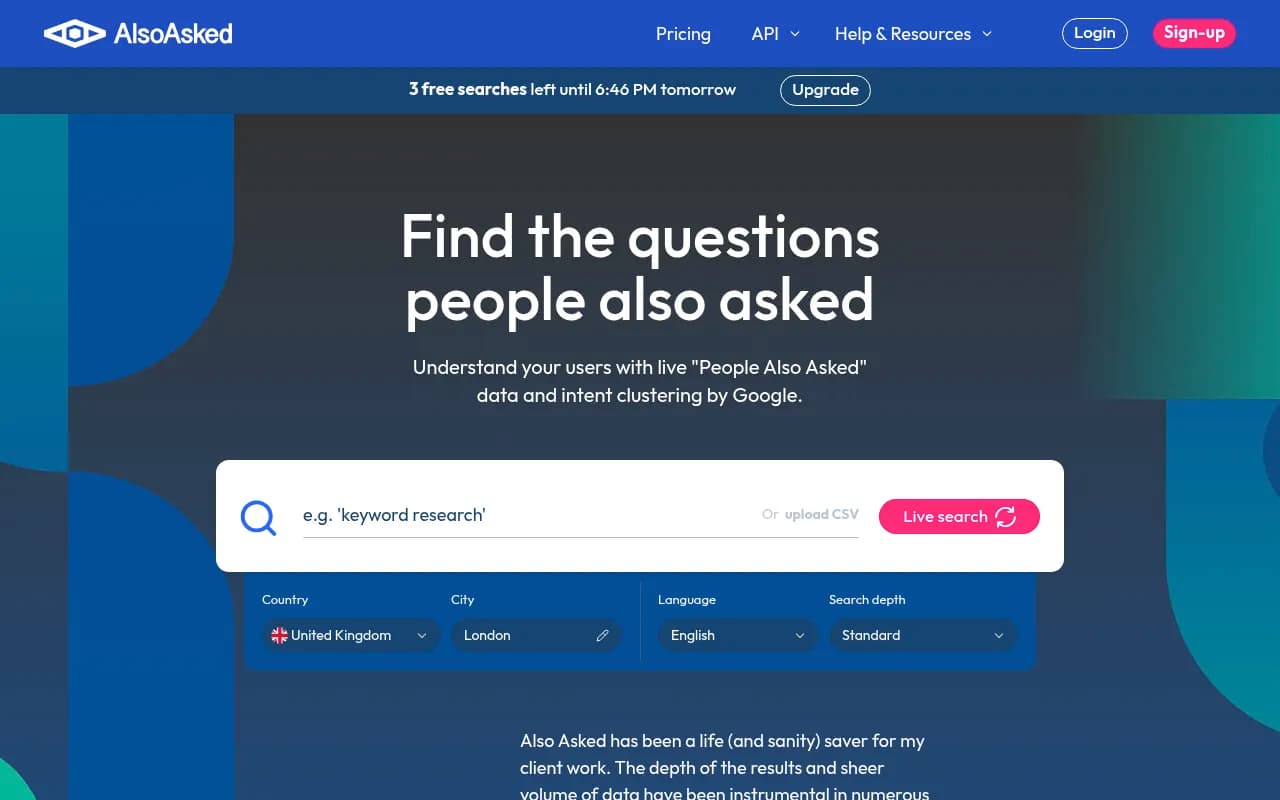
AlsoAsked surfaces the "People Also Ask" data that reveals how questions branch and relate. This is directly useful for understanding how AI models fan out from a single query into sub-questions.
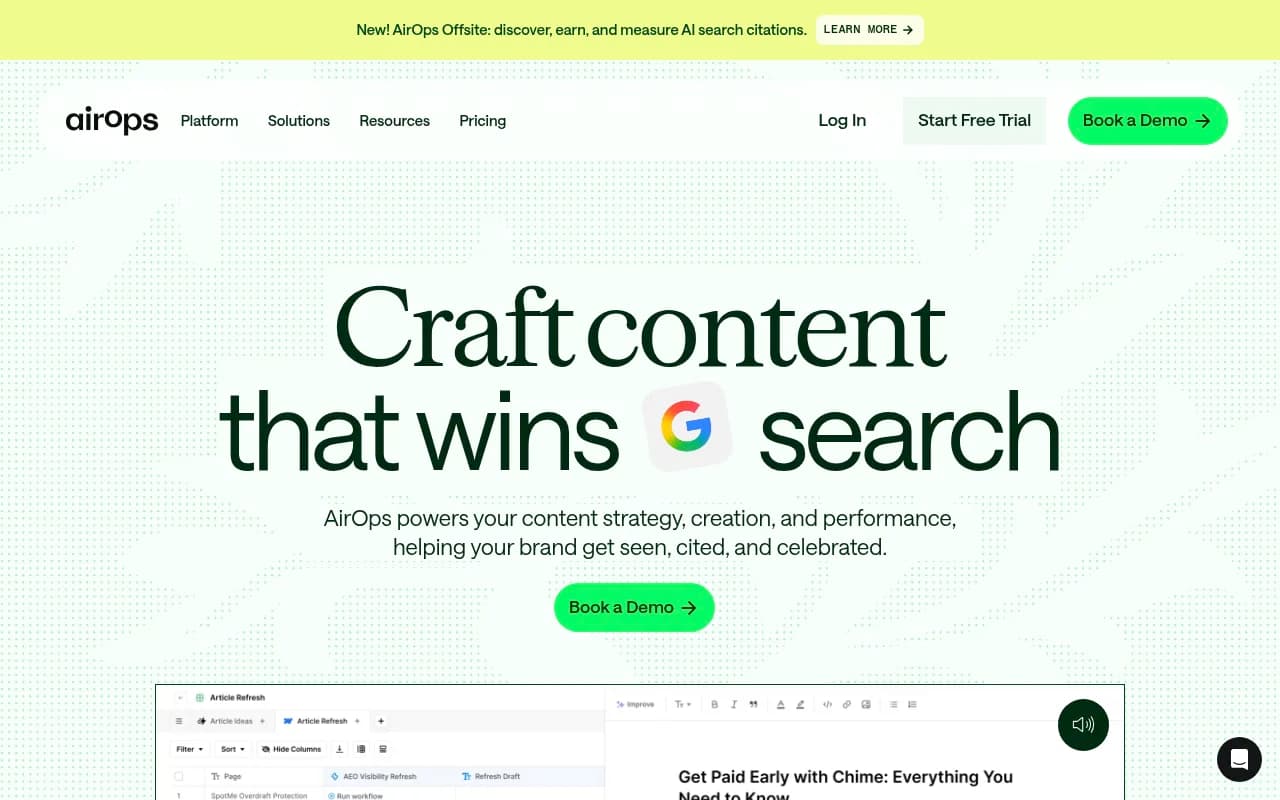
AirOps takes a more systematic approach, helping teams build content specifically engineered for AI search visibility -- briefs, workflows, and content generation tied to real citation data.
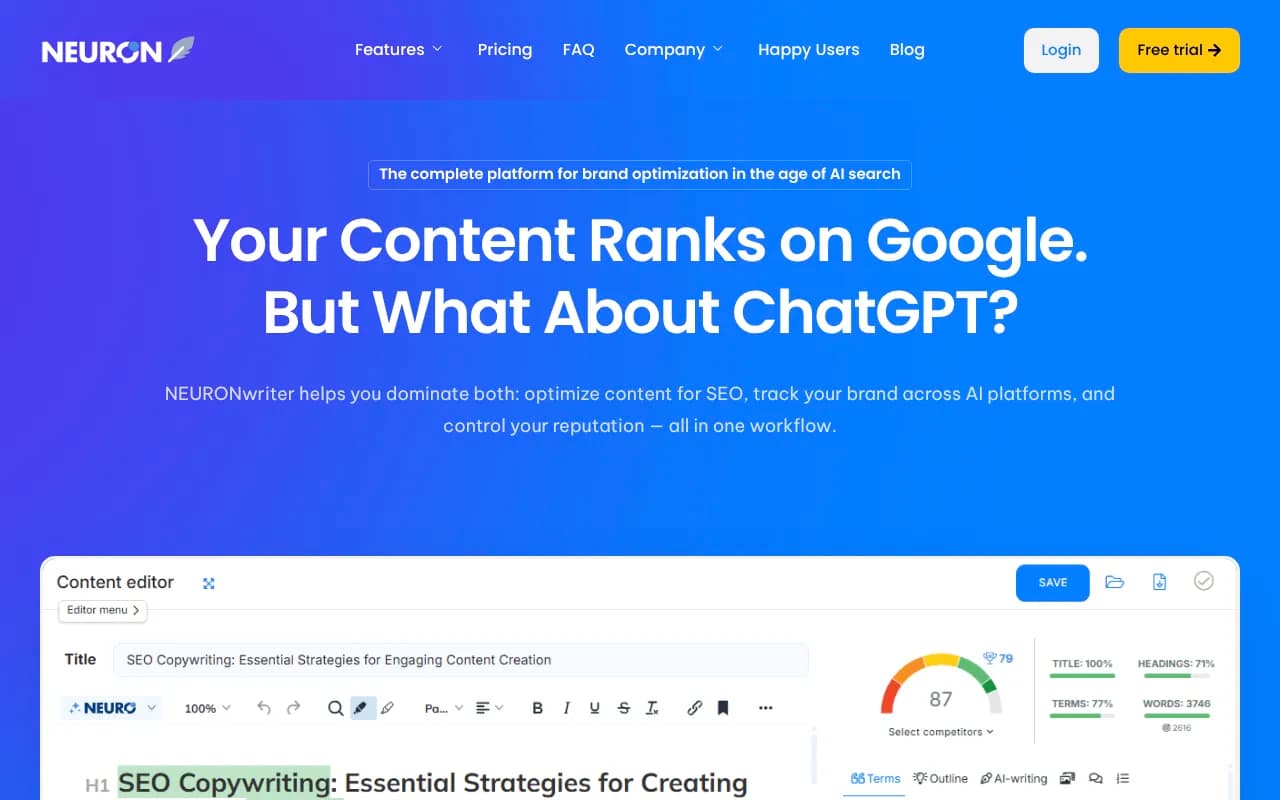
NeuronWriter combines traditional content optimization with entity-based analysis, which matters because AI models use entity recognition heavily when deciding what sources to trust.
Tracking AI-driven traffic
Knowing you're being cited is one thing. Knowing whether those citations are sending actual visitors is another. This is still an emerging area, but a few tools are building it out.
Google Analytics will show you referral traffic from Perplexity and some other AI engines. ChatGPT traffic is harder to attribute because it often appears as direct traffic. Dedicated AI visibility platforms are building better attribution models, but it's still imperfect.
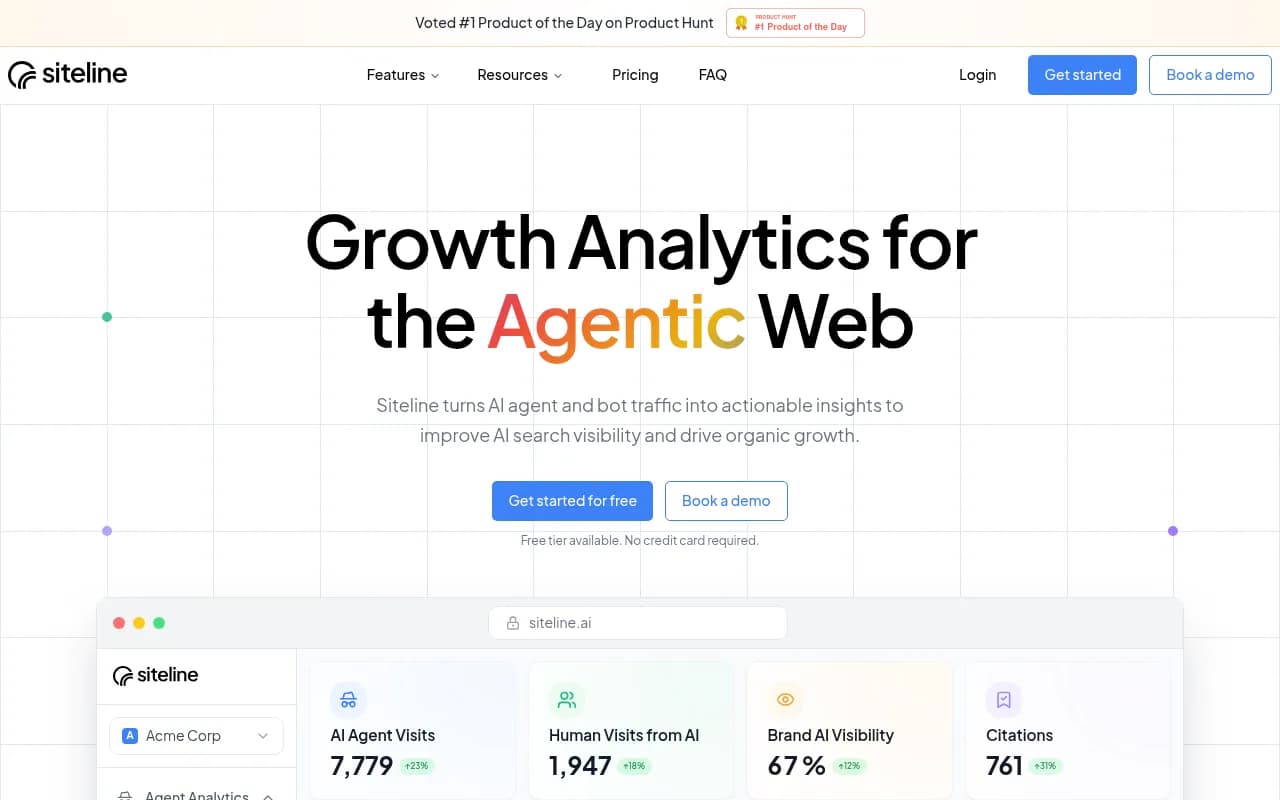
Siteline AI focuses specifically on understanding AI agent traffic and connecting it to real growth metrics.
How to think about building your stack
The honest answer is that you don't need all of these tools. Most bloggers should pick one tool from each category and get good at it before adding more. Here's a practical breakdown by budget and stage:
| Stage | Google SEO | AI visibility | Writing |
|---|---|---|---|
| Just starting | Google Search Console + Google Keyword Planner (free) | Promptwatch (Essential, $99/mo) | Grammarly free |
| Growing blog (1K+ posts/mo) | Ahrefs or Semrush + Surfer SEO | Promptwatch Professional ($249/mo) | Frase or Clearscope |
| Established creator | Full Ahrefs/Semrush + AccuRanker + Screaming Frog | Promptwatch Business ($579/mo) | MarketMuse + Grammarly |
| Agency/team | Enterprise SEO suite | Promptwatch Agency (custom) | Clearscope + Jasper |
A few things worth noting about this table:
The AI visibility column is new. Two years ago, this column didn't exist. Now it's real enough that skipping it means leaving a growing traffic channel unmonitored and unoptimized.
The writing tools column matters more than most SEO guides admit. Content that's technically optimized but hard to read doesn't get cited by AI models or shared by humans. Both matter.
What's actually changed about content strategy
The biggest strategic shift isn't about tools -- it's about what you write and why.
For most of SEO's history, the game was: find a keyword with decent volume and manageable competition, write the best page on that topic, build links. That still works for Google. But AI search engines don't care about your domain authority the way Google does. They care about whether your content directly answers the question being asked, whether it's structured clearly, and whether other credible sources reference it.
This means a few things for content strategy:
Question-first writing matters more. Instead of starting with "I want to rank for 'best running shoes,'" start with "what specific questions are runners asking that nobody is answering well?" Those are the gaps AI models expose when they generate answers and can't find a good source to cite.
Topical depth beats topical breadth. A blog that covers 50 topics superficially is less likely to get cited by AI models than one that covers 10 topics exhaustively. AI engines are looking for authoritative sources on specific subjects.
Structured content performs better. Clear headings, direct answers near the top of the page, FAQ sections, and schema markup all help AI models extract and cite your content accurately.
Offsite presence matters differently. AI models are trained on and browse the broader web -- Reddit discussions, YouTube videos, third-party listicles, and review sites all influence what they recommend. Getting your brand mentioned in those places is a form of AI SEO that has no direct equivalent in traditional search.
The tools that didn't make the cut (and why)
A few tools get mentioned a lot in 2026 SEO discussions but are worth approaching with skepticism:
Generic AI writers (the ones that just produce bulk content with no optimization layer) are producing content that neither Google nor AI models want to cite. Volume without quality is worse than useless -- it dilutes your topical authority.
Tools that claim to "guarantee" AI visibility are making promises nobody can keep. AI models update constantly, and citation patterns shift. What you can do is track your visibility, understand the gaps, and create better content. That's it.
Monitoring-only AI visibility tools are better than nothing, but they leave you stuck. Knowing you're invisible in ChatGPT doesn't help unless you know what to do about it.
The bottom line
The blogger toolkit in 2026 has two distinct layers, and you need both. Google still sends the majority of search traffic for most content sites, so the traditional stack -- keyword research, content optimization, rank tracking, technical SEO -- remains essential. But AI search is real, growing, and responding to different signals than Google does.
The creators who are building AI search visibility now, while most of their competitors are still focused exclusively on Google, are going to have a meaningful advantage as AI search traffic continues to grow. The tools exist to do this systematically. The question is whether you start now or wait until the gap is harder to close.