Key Takeaways
- AI search is now a core revenue channel: 87% of marketing professionals use AI for content, but only 25.6% see AI content outperform human work -- the difference is having the right optimization stack
- Consolidation beats sprawl: The average startup juggles 106 SaaS apps while marketing tech utilization has dropped to 33% -- agencies need integrated systems, not more point solutions
- The action loop is everything: Monitoring-only tools show you where you're invisible, but optimization platforms help you fix it with content gap analysis, AI writing agents, and closed-loop attribution
- Multi-engine tracking is non-negotiable: Your clients need visibility across ChatGPT, Perplexity, Claude, Gemini, Google AI Overviews, and more -- not just one or two models
- Content generation must be grounded in data: Generic AI writing creates filler; platforms that generate content based on 880M+ citations, prompt volumes, and competitor analysis create content that actually gets cited
Why AI Search Optimization Demands a New Agency Stack
Traditional SEO stacks were built for one search engine: Google. You tracked rankings in SERPs, optimized for crawlers, built backlinks, and measured traffic in Google Analytics. The workflow was linear and the tools were mature.
AI search has shattered that model. Your clients now need to be visible across 10+ AI engines -- ChatGPT, Perplexity, Claude, Gemini, Google AI Overviews, Grok, DeepSeek, Meta AI, Copilot, and Mistral. Each model has different data sources, citation preferences, and update cycles. A brand can rank #1 in Google but be completely invisible in ChatGPT. Worse, they won't know it's happening unless you're tracking it.
The problem isn't just monitoring. It's optimization. Most AI visibility tools are dashboards that show you where you're not being cited -- but they leave you stuck. You see the gap, but you have no path to fix it. You don't know which content to create, which prompts to target, or how to structure pages so AI models actually cite them.
Agencies that win in 2026 have moved beyond monitoring to optimization. They run a three-step action loop:
- Find the gaps: Use Answer Gap Analysis to see exactly which prompts competitors rank for but you don't. Identify the specific content your client's website is missing.
- Create content that ranks in AI: Generate articles, listicles, and comparisons grounded in real citation data, prompt volumes, and competitor analysis -- not generic SEO filler.
- Track the results: Monitor visibility scores, page-level citations, and traffic attribution to prove ROI and close the loop.
This guide walks through the essential tools and integrations agencies need to run that loop at scale.
Core Platform: AI Visibility Tracking and Optimization
Your foundation is a platform that tracks AI visibility across multiple models and helps you optimize for it. This isn't a nice-to-have -- it's the difference between guessing and knowing.
What to Look For
- Multi-engine coverage: At minimum, track ChatGPT, Perplexity, Claude, Gemini, and Google AI Overviews. Bonus points for Grok, DeepSeek, Meta AI, Copilot, and Mistral.
- Prompt intelligence: Volume estimates, difficulty scores, and query fan-outs that show how one prompt branches into sub-queries. You need to prioritize high-value, winnable prompts.
- Citation and source analysis: See exactly which pages, Reddit threads, YouTube videos, and domains AI models cite. Know where to publish and what to optimize.
- Content gap analysis: Compare your visibility vs competitors and surface the exact prompts you're missing. This is the bridge between monitoring and action.
- AI content generation: Built-in writing agents that create articles grounded in citation data, not generic templates. The content should be engineered to get cited.
- Crawler logs: Real-time logs of AI crawlers (ChatGPT, Claude, Perplexity) hitting your site -- which pages they read, errors they encounter, how often they return.
- Traffic attribution: Code snippet, GSC integration, or server log analysis to connect visibility to actual revenue.
Recommended: Promptwatch
Promptwatch is the only platform rated as a "Leader" across all categories in a 2026 comparison of 12 GEO platforms. It's built around the action loop: find gaps, generate content, track results.

Key differentiators:
- Answer Gap Analysis: Shows exactly which prompts competitors are visible for but you're not, plus the specific content your site is missing
- AI Writing Agent: Generates articles grounded in 880M+ citations analyzed, prompt volumes, persona targeting, and competitor analysis
- AI Crawler Logs: Real-time logs of ChatGPT, Claude, and Perplexity crawlers hitting your site
- Reddit & YouTube Insights: Surface discussions that directly influence AI recommendations
- ChatGPT Shopping Tracking: Monitor when your brand appears in product recommendations
- Multi-language & Multi-region: Monitor AI responses in any language, from any country, with customizable personas
Pricing: Essential $99/mo (1 site, 50 prompts), Professional $249/mo (2 sites, 150 prompts, crawler logs), Business $579/mo (5 sites, 350 prompts). Agency/Enterprise custom pricing available.
Alternatives
If Promptwatch doesn't fit your needs, consider:
- Profound: Strong feature set but higher price point, no Reddit tracking, no ChatGPT Shopping
- Scrunch: Similar to Profound with competitive pricing but missing some advanced features
- Otterly.AI / Peec.ai: Basic monitoring only -- no crawler logs, no visitor analytics, no content generation
- AthenaHQ: Monitoring-focused, lacks content optimization capabilities
- Semrush / Ahrefs: Traditional SEO tools with limited AI search support; Semrush uses fixed prompts, Ahrefs Brand Radar has fixed prompts and no traffic attribution
Content Creation and Optimization Layer
Once you know which prompts to target, you need to create content that AI models will cite. This requires more than a generic AI writer -- you need tools that understand search intent, competitor content, and citation patterns.
AI-Powered SEO Content Platforms
These platforms combine keyword research, content briefs, AI writing, and optimization in one workflow:
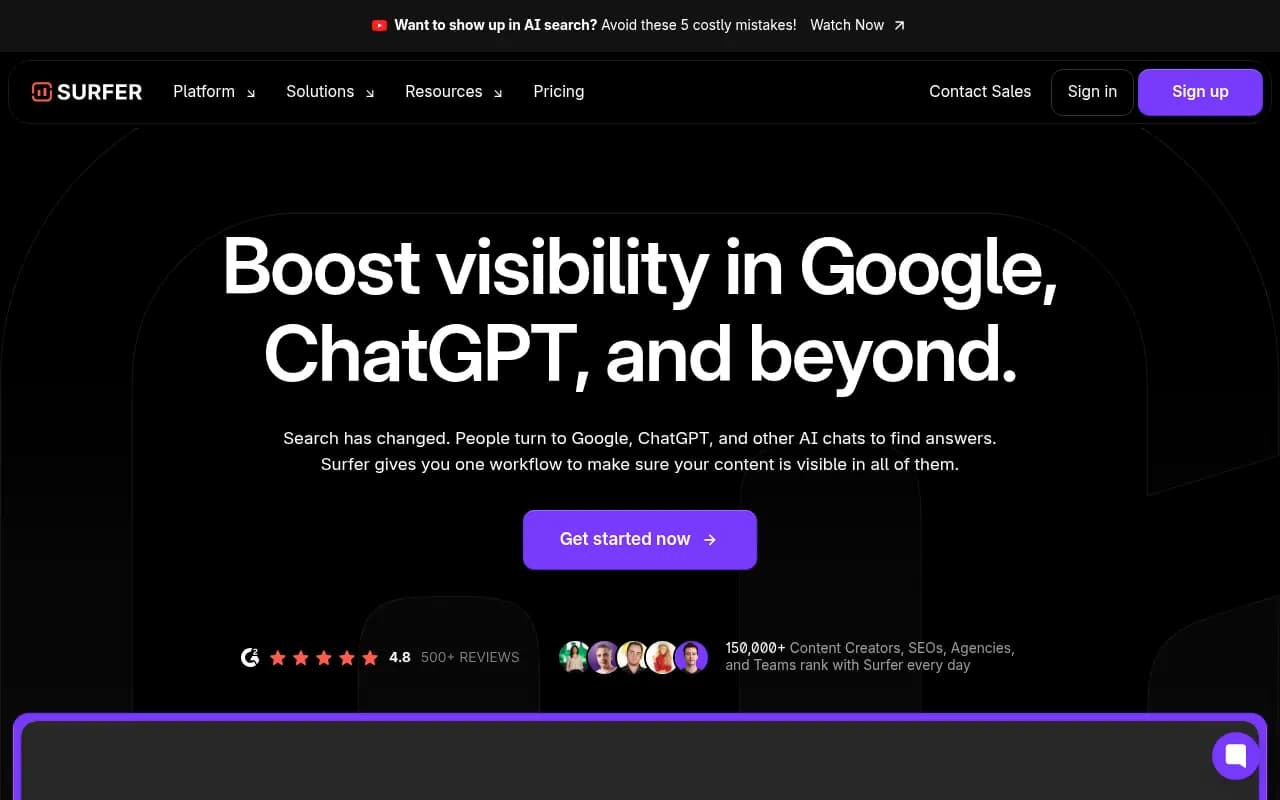
- Surfer SEO: AI-driven content editor with SERP analysis and optimization scores. Strong for traditional SEO, less focused on AI search.
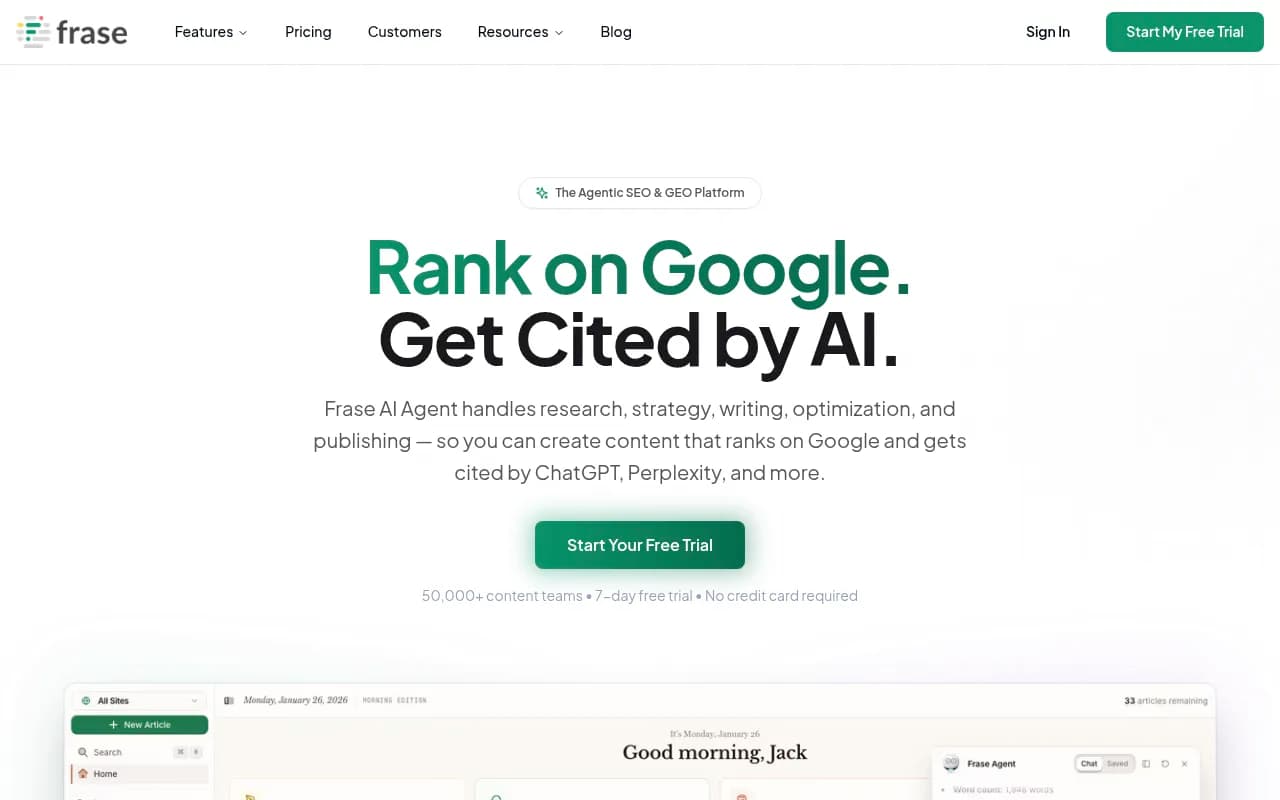
- Frase: Research and writing tool that analyzes top-ranking content and generates briefs. Good for question-based content.
- Clearscope: Content optimization platform that scores drafts against top performers. Used by enterprise SEO teams.
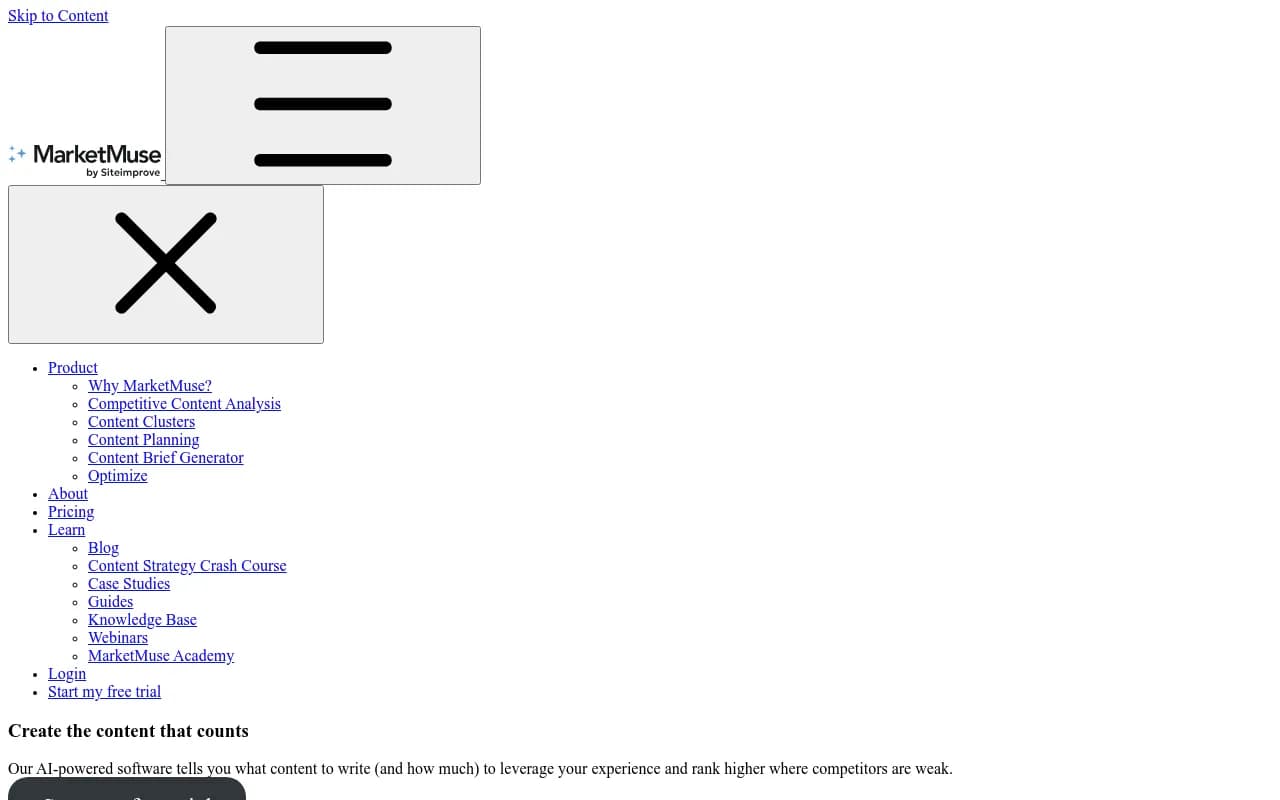
- MarketMuse: AI content intelligence that identifies gaps and recommends topics. Higher price point but deep analysis.

Standalone AI Writers
If you need pure writing speed without the SEO layer:
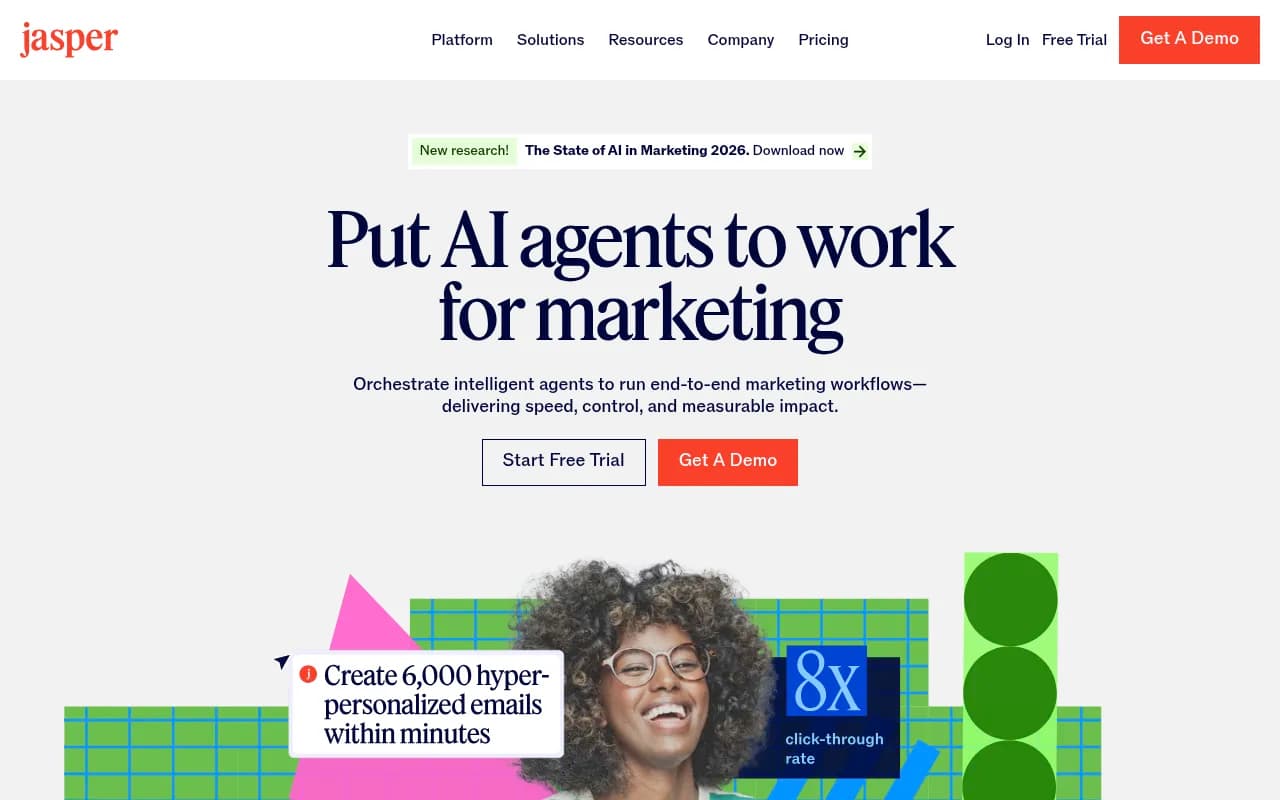
- Jasper: AI marketing platform with agents and content pipelines. Strong for agencies managing multiple clients.
- Copy.ai: Fast, versatile copywriting for marketing content. Good for social, emails, and ads.
- Writesonic: Blog automation and content marketing. Includes Chatsonic for conversational AI.


Content Management and Publishing
You need a CMS that supports structured data, fast page speed, and easy updates:
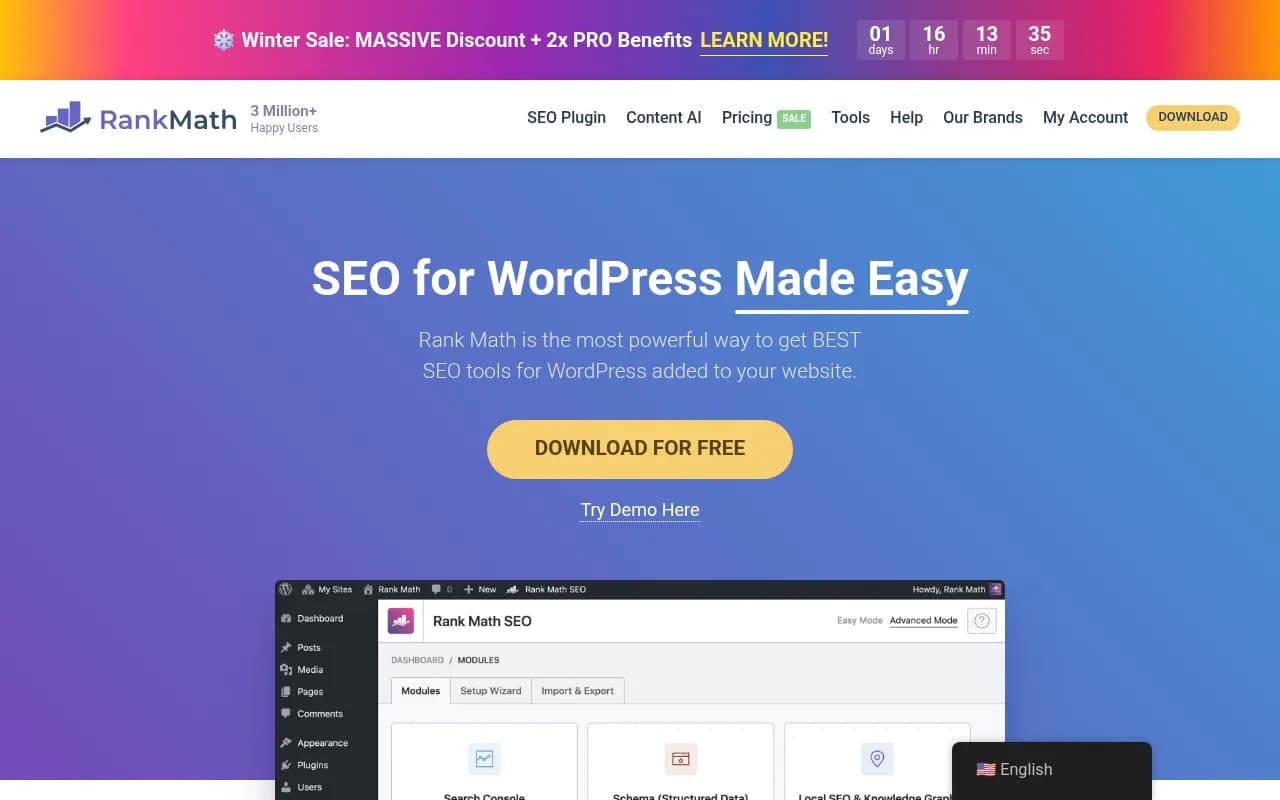
- WordPress + Rank Math / Yoast: Most flexible option with strong plugin ecosystem. Rank Math has better AI features.
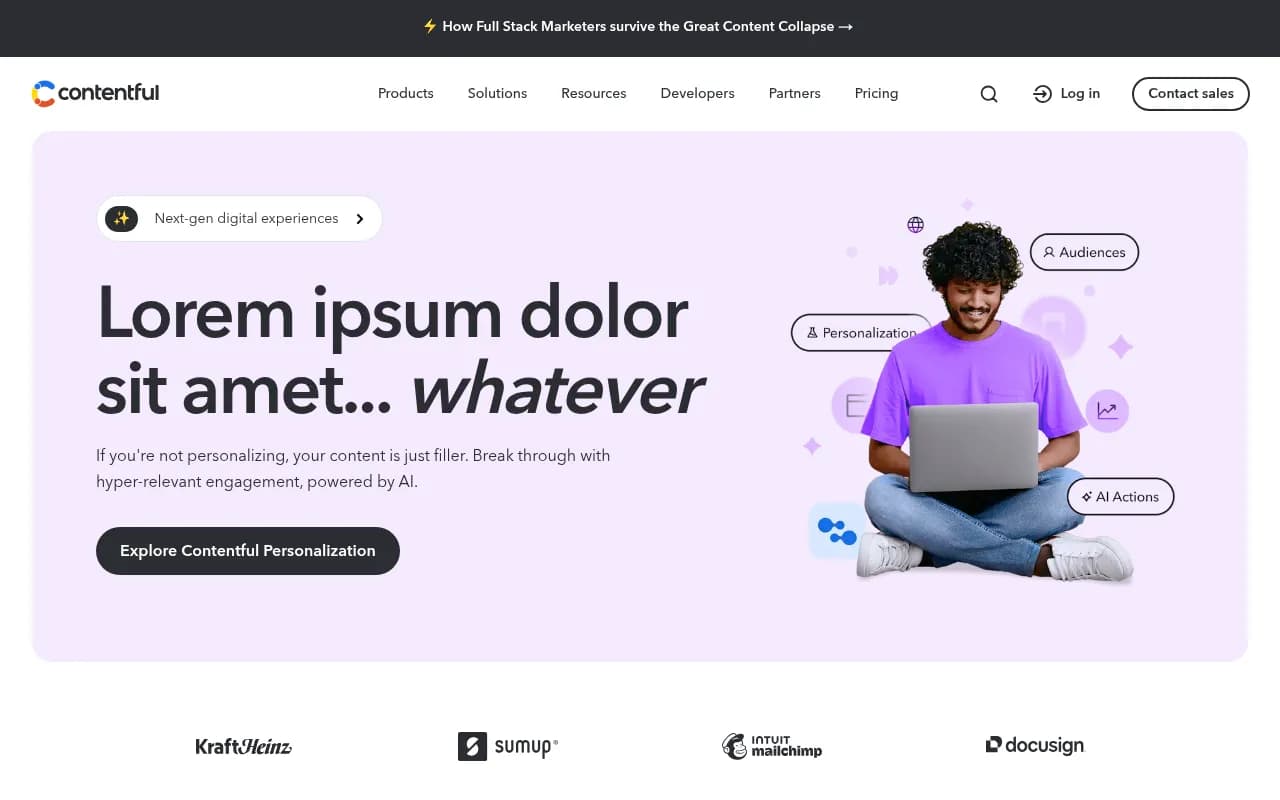
- Contentful: Composable content platform for personalized digital experiences. API-first architecture.
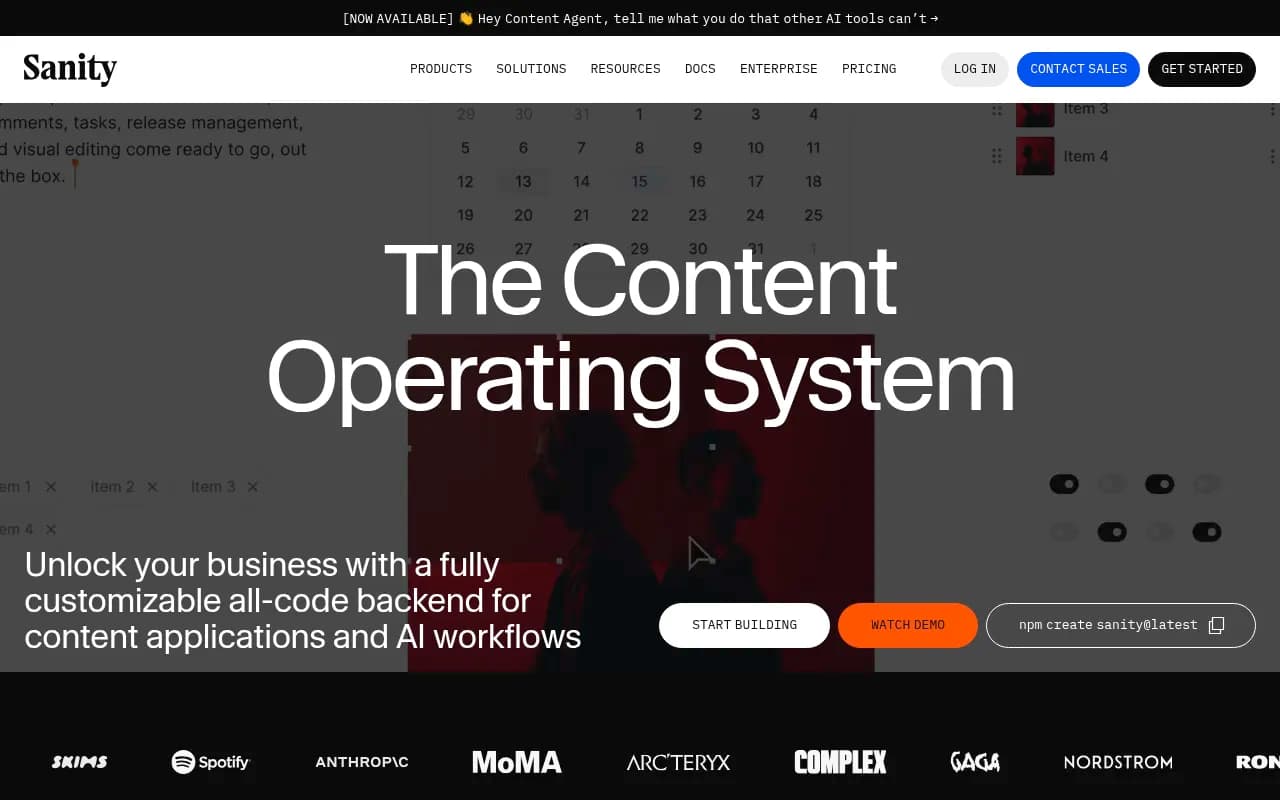
- Sanity: All-code content backend with AI, visual editing, and server-side rendering.
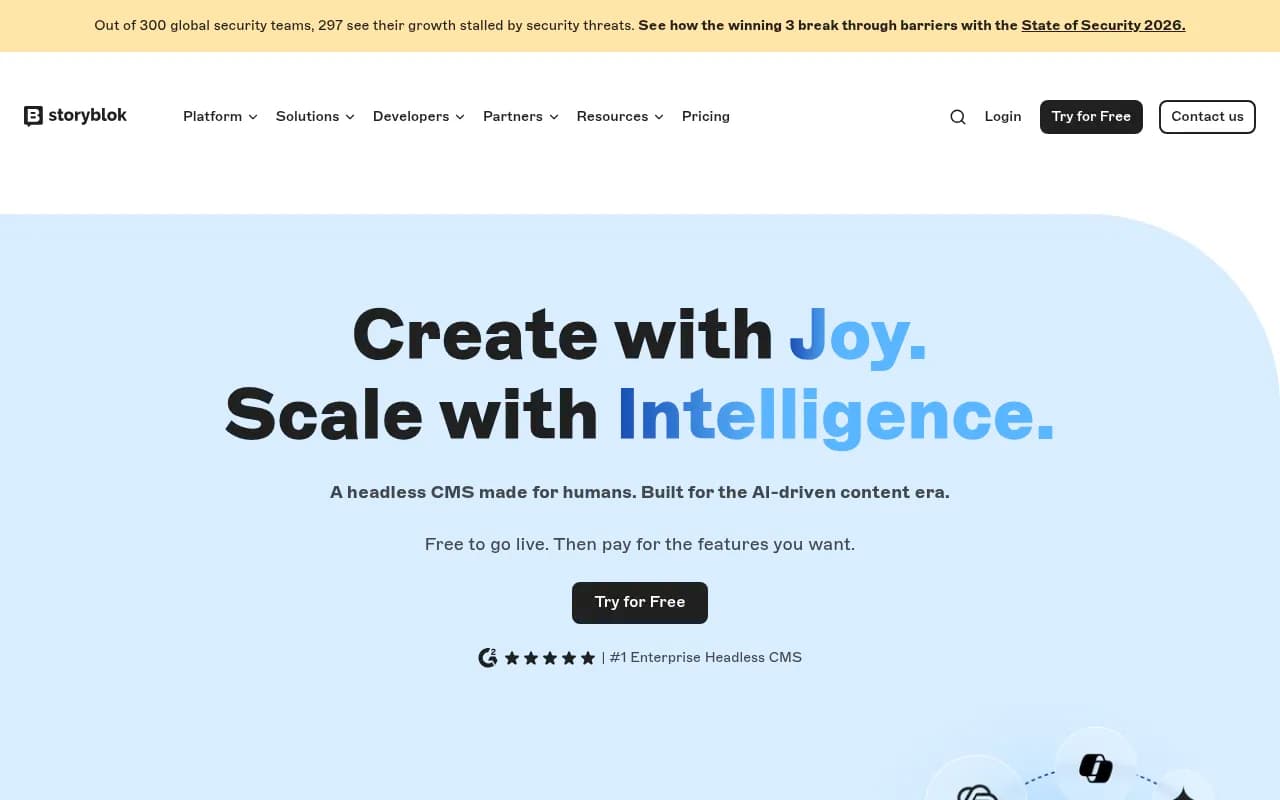
- Storyblok: Headless CMS with visual editing that developers and marketers both love.
Technical SEO and Site Health
AI crawlers need clean, fast, accessible sites. If your technical foundation is broken, no amount of content optimization will help.
Site Auditing and Monitoring
- Screaming Frog: Desktop crawler for comprehensive technical audits. Industry standard for agencies.
- Sitebulb: Technical SEO crawler that turns complex audits into actionable reports. Better visualizations than Screaming Frog.
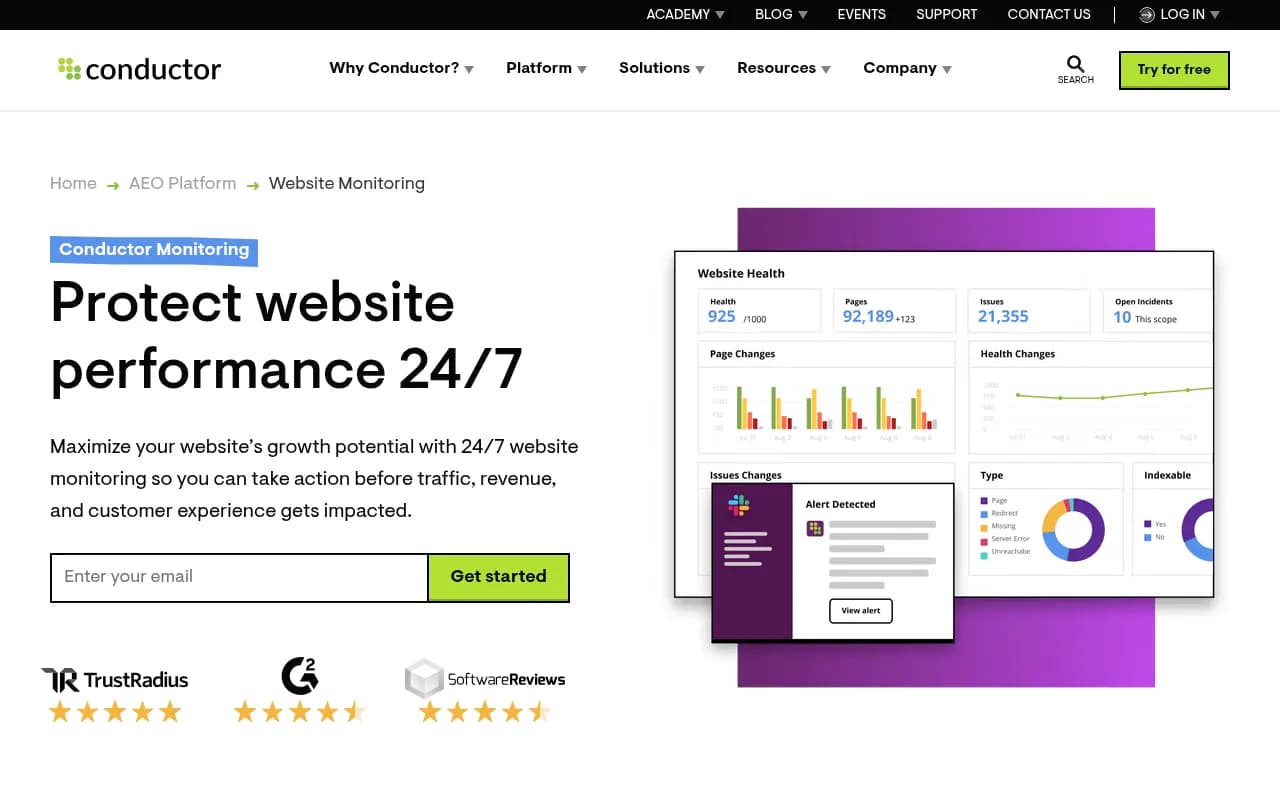
- ContentKing: Real-time SEO auditing and change tracking. Alerts you immediately when issues appear.
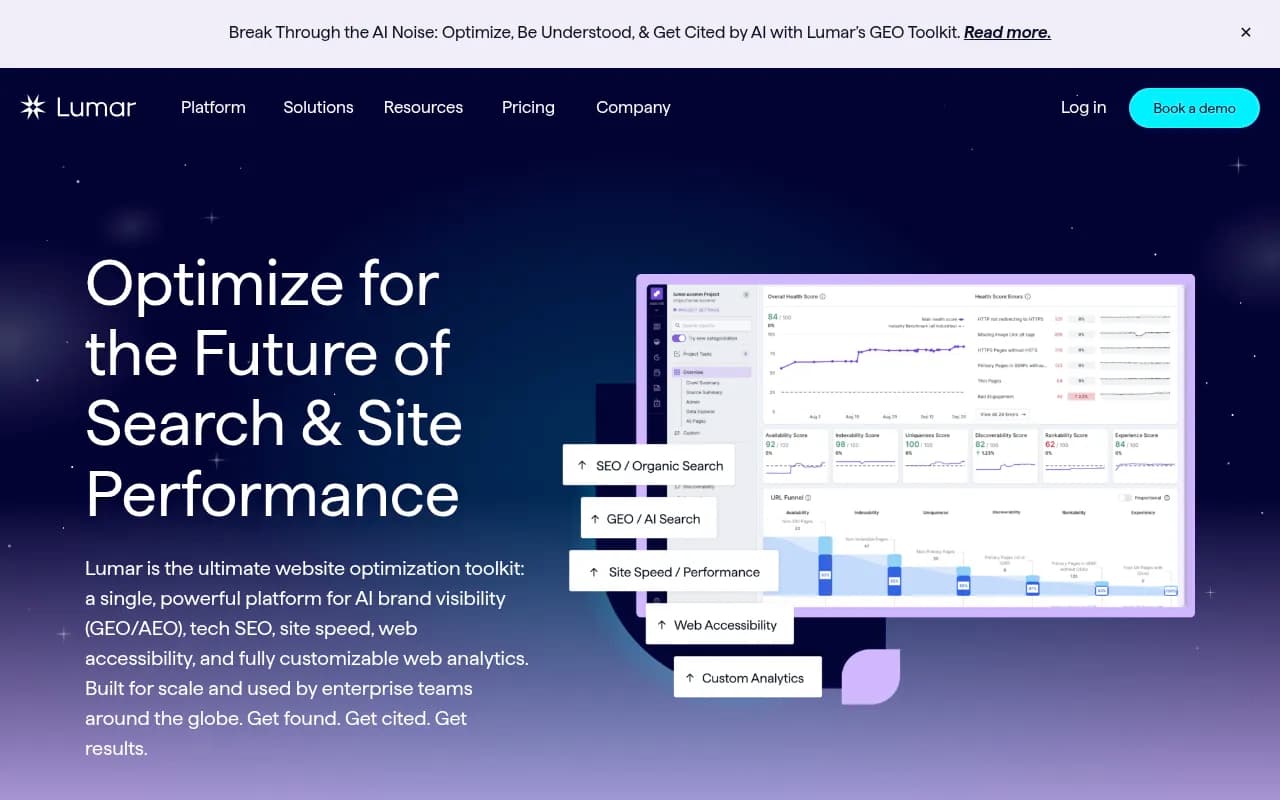
- Lumar: Enterprise website optimization platform for SEO, GEO, and brand protection.

Performance and Core Web Vitals
- Google PageSpeed Insights: Free tool to analyze page speed and Core Web Vitals. Start here.
- GTmetrix: Website speed and performance analysis with waterfall charts and recommendations.
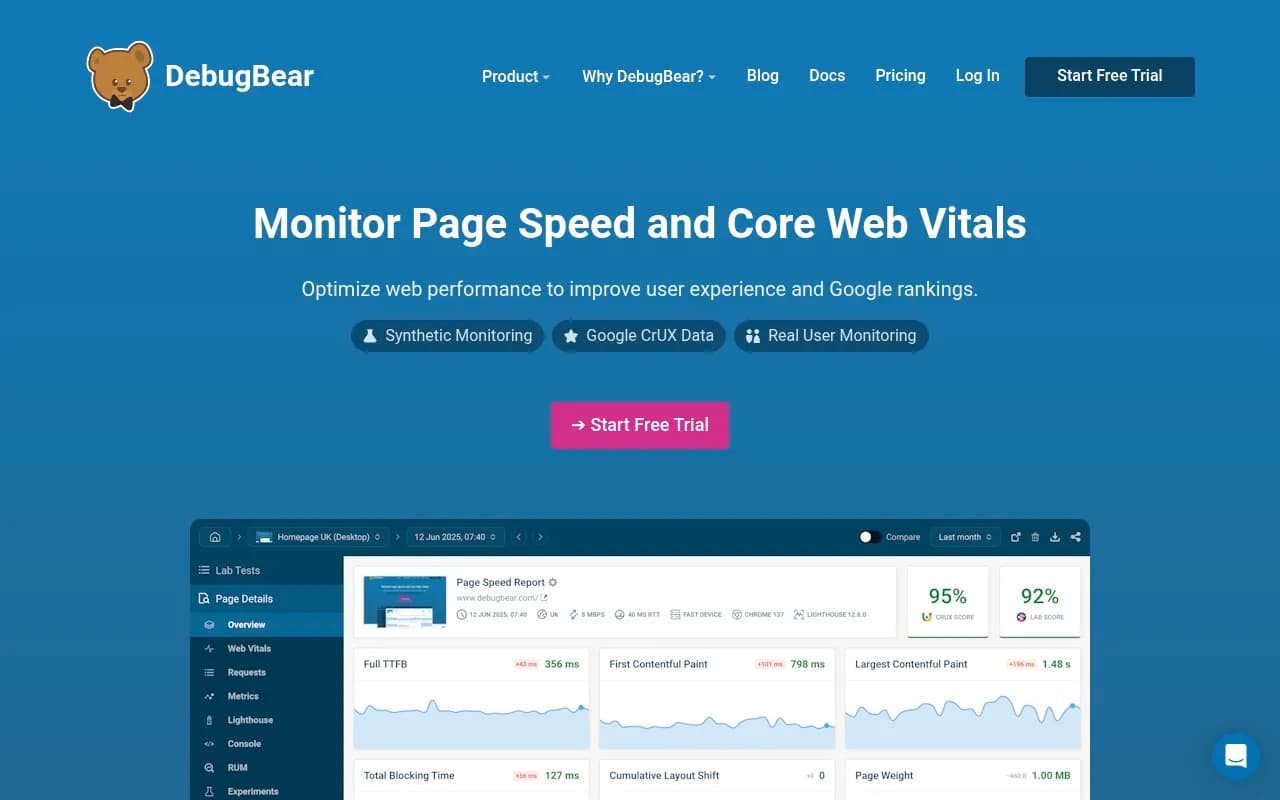
- DebugBear: Real-time performance monitoring that catches regressions before they hurt rankings.

Rank Tracking and Competitive Intelligence
You still need traditional rank tracking for Google and Bing, plus competitive analysis to understand the landscape.
Rank Trackers
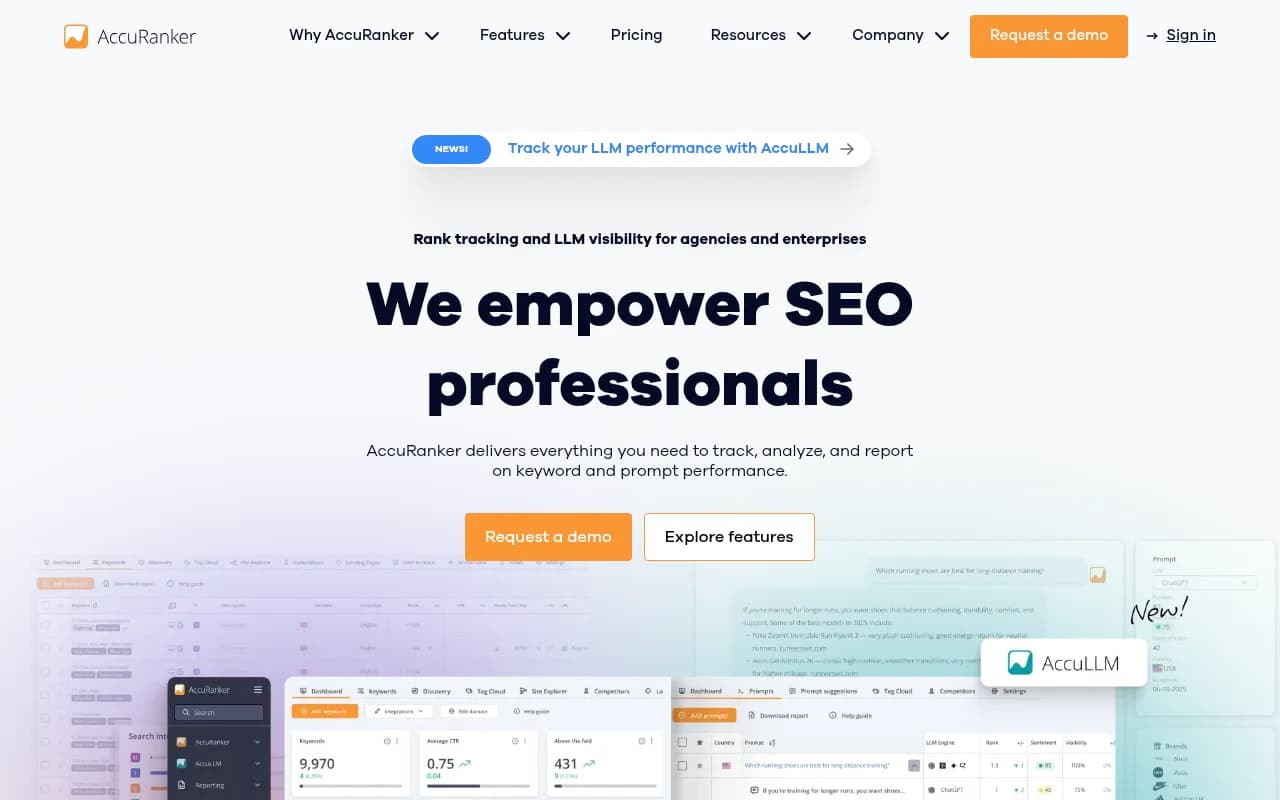
- AccuRanker: Real-time rank tracking with on-demand updates. Built for agencies with white-label reporting.
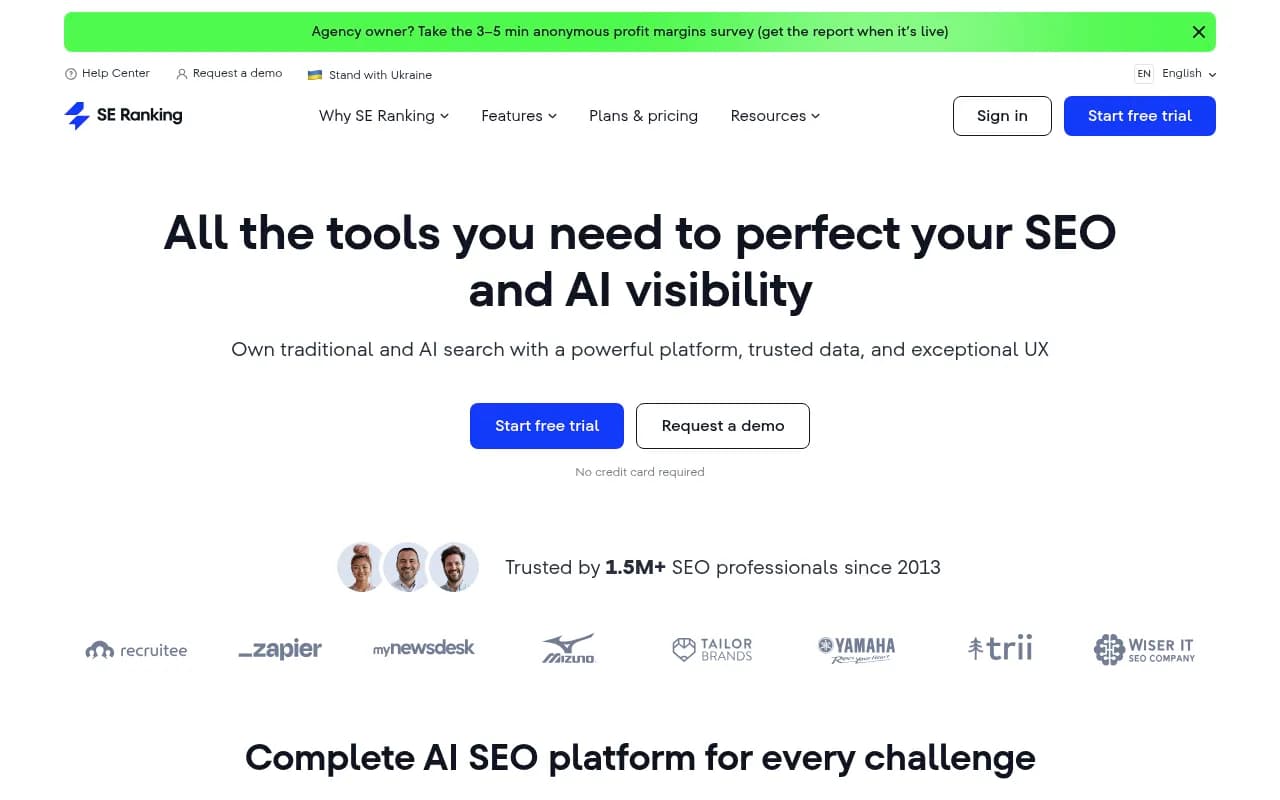
- SE Ranking: All-in-one SEO platform with rank tracking, site audits, and content tools. Good value for mid-sized agencies.
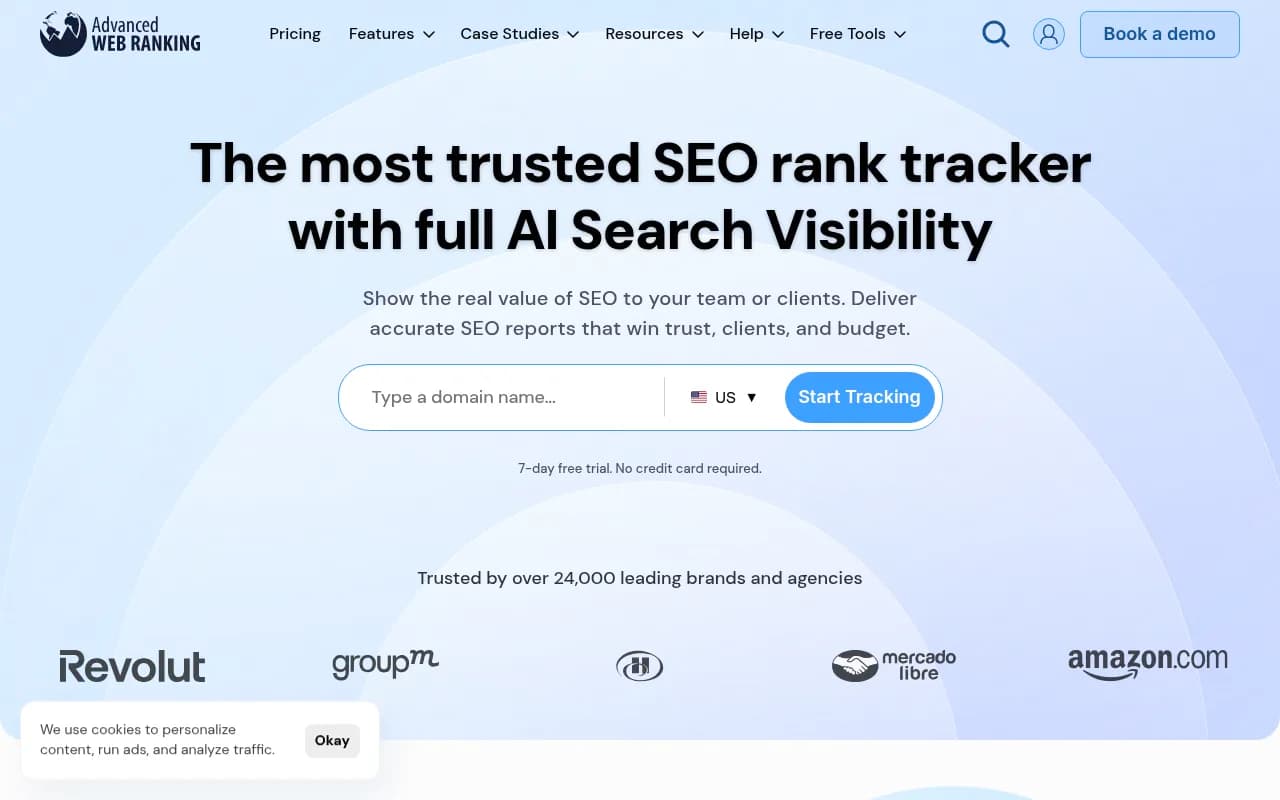
- Advanced Web Ranking: Enterprise-grade rank tracker with 20+ years of proven SERP data. Local and mobile tracking.
Competitive Intelligence
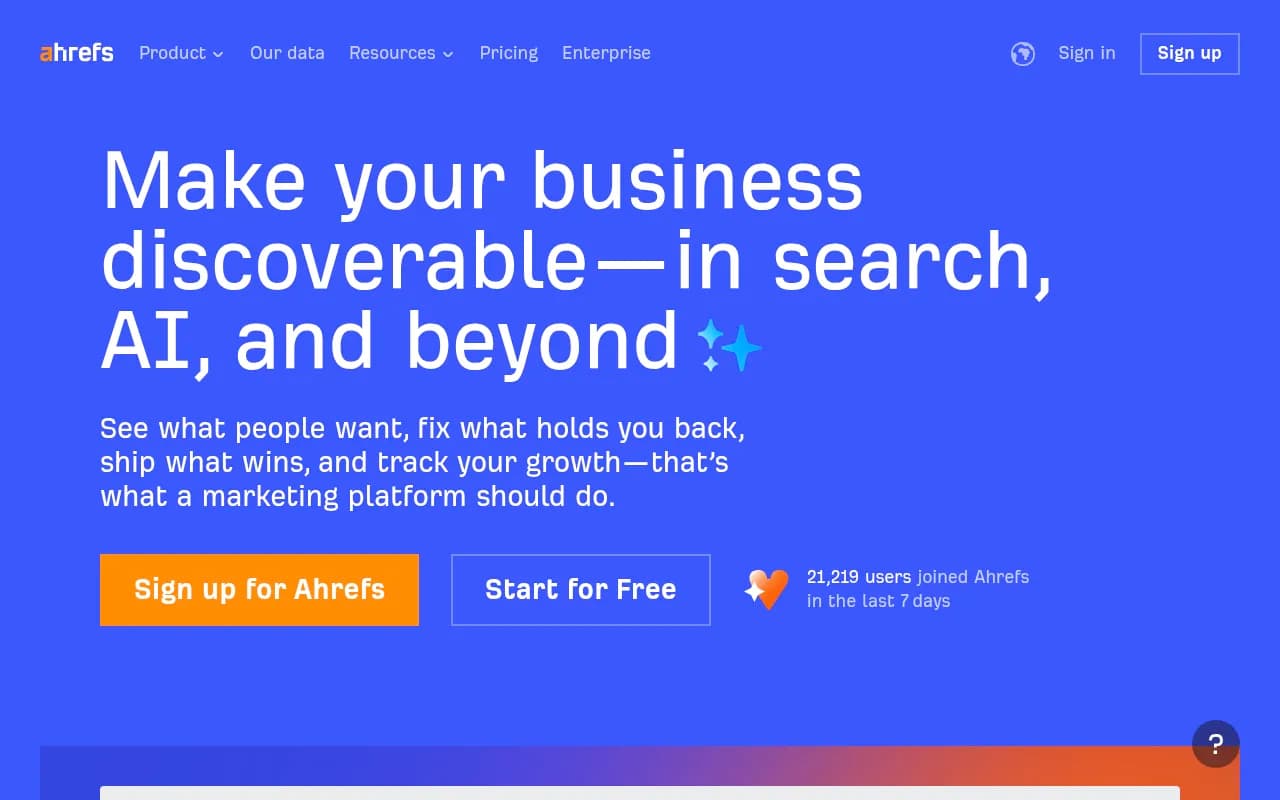
- Ahrefs: All-in-one SEO platform with the best backlink index. Strong for competitor analysis and content gaps.
- Semrush: Digital marketing platform with traditional SEO and emerging AI search capabilities. Huge feature set.
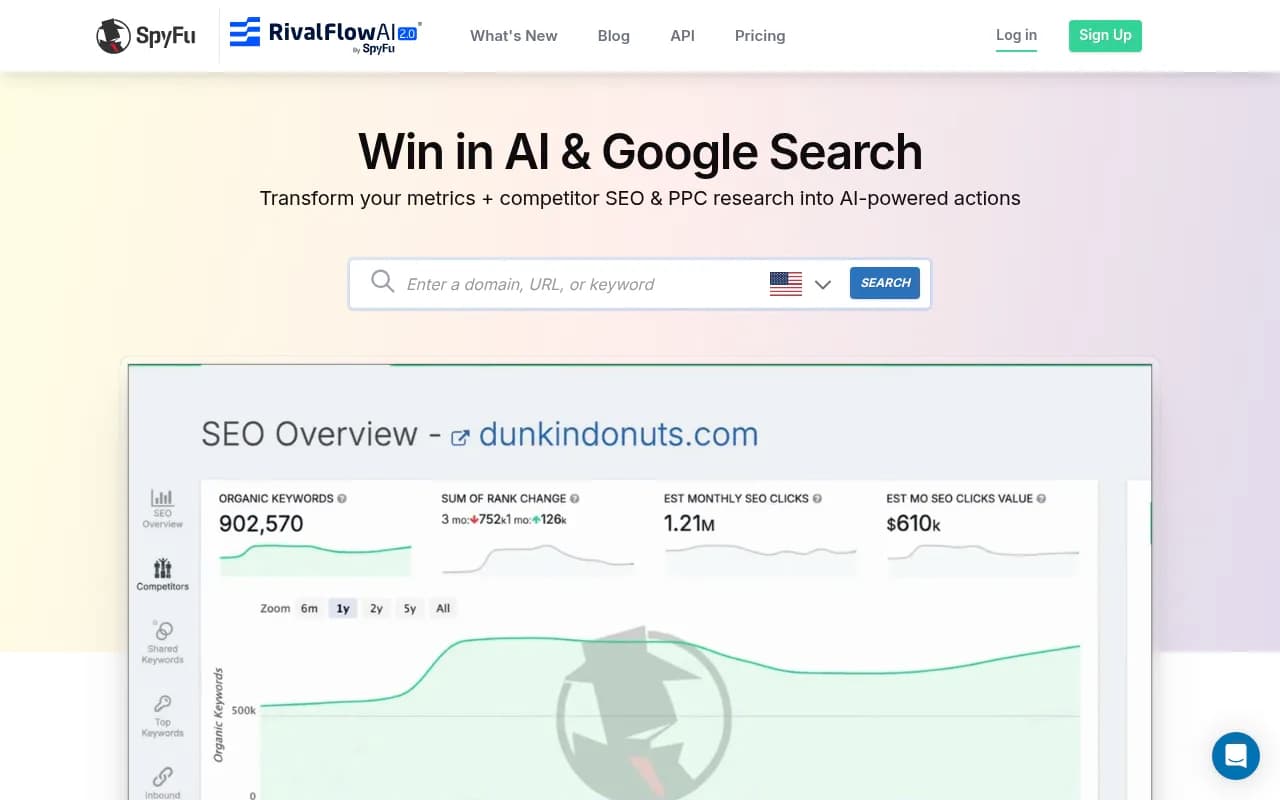
- SpyFu: Competitor keyword intelligence for PPC and SEO. See every keyword your competitors rank for.
- Similarweb: Digital intelligence and competitive analysis. Traffic estimates and audience insights.
Analytics and Attribution
Proving ROI is non-negotiable. You need to connect AI visibility to actual traffic and revenue.
Web Analytics
- Google Analytics: Free web analytics service. GA4 is the current version -- set up custom events for AI traffic.
- Adobe Analytics: Enterprise web analytics and customer journey analysis. Deeper than GA4 but expensive.
- Dreamdata: B2B attribution platform that maps the full customer journey from first touch to closed deal.
Marketing Attribution
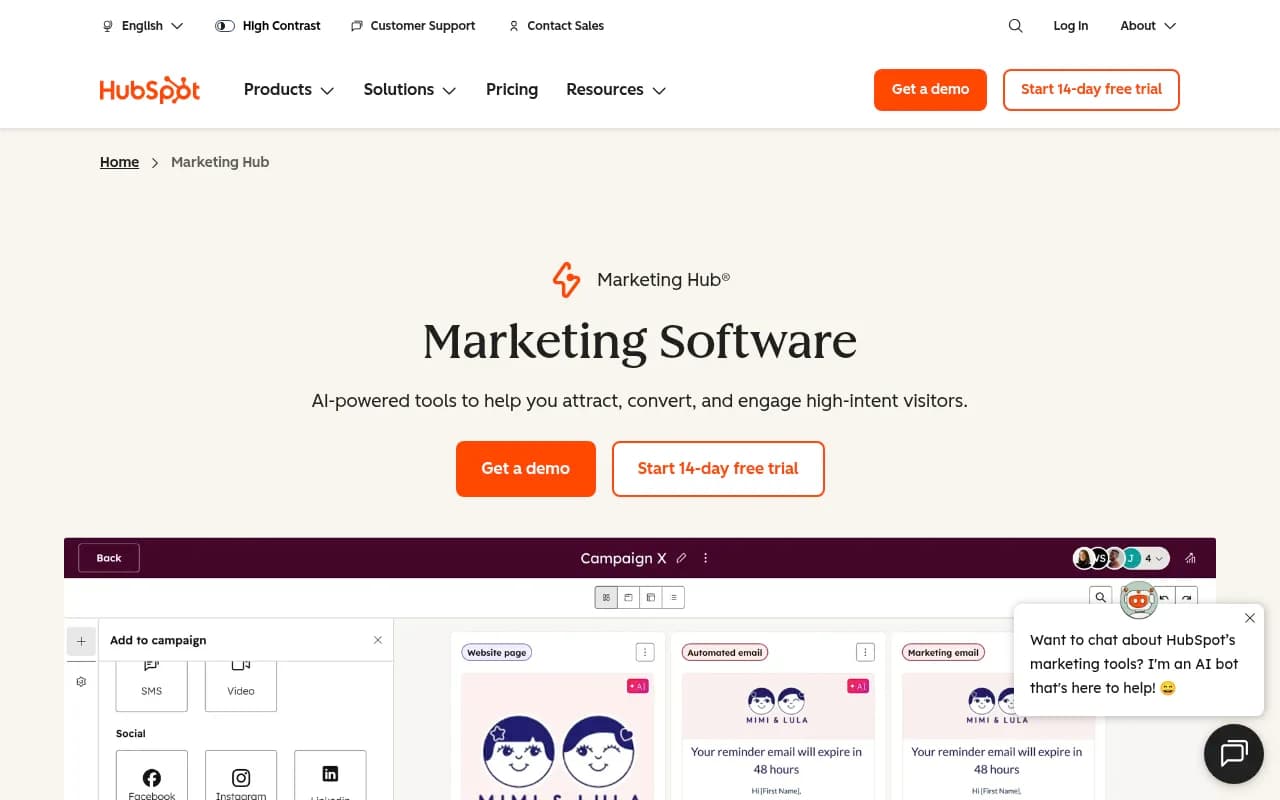
- HubSpot Marketing Hub: All-in-one marketing automation with AI features and attribution reporting.
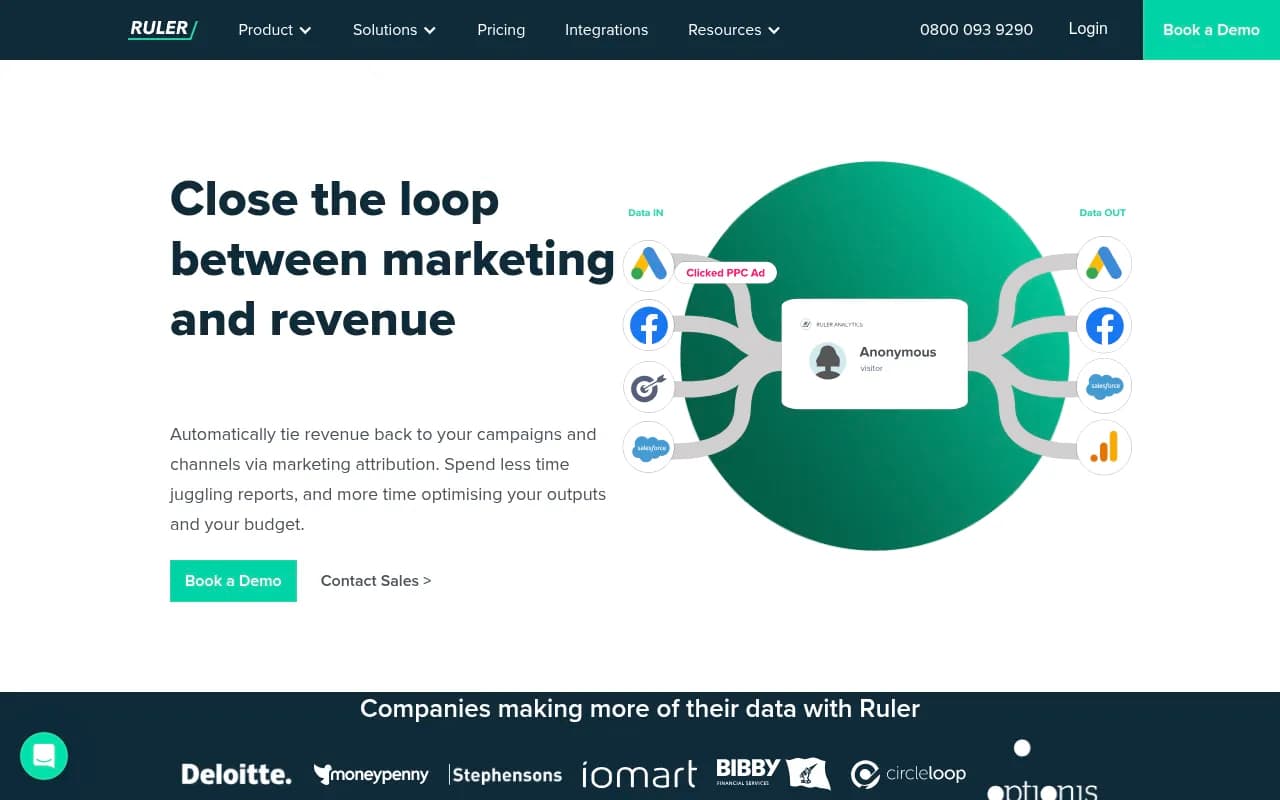
- Ruler Analytics: Connect marketing spend to actual revenue with closed-loop attribution.
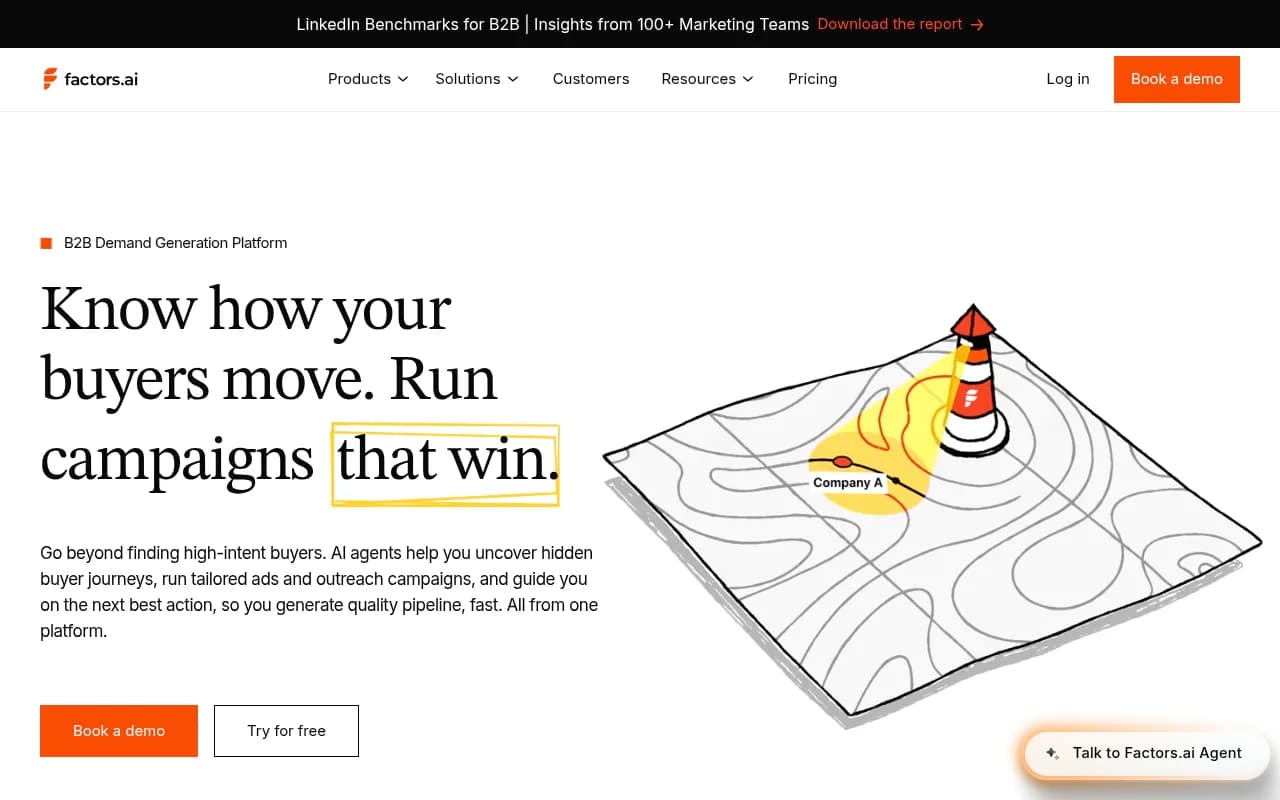
- Factors.ai: AI-powered B2B demand gen platform that turns intent signals into pipeline.
Workflow Automation and Integration
Manual processes don't scale. Automate repetitive tasks and connect your tools.
Automation Platforms
- Zapier: Workflow automation connecting 7,000+ apps. Easy to set up, no code required.
- Make (formerly Integromat): Visual automation platform with more control than Zapier. Better for complex workflows.
- n8n: Open-source workflow automation with code-level control. Self-hosted or cloud.
Reporting and Dashboards
- Google Looker Studio: Free data visualization and reporting. Connect to GA4, GSC, and other sources.
- Tableau: Leading business intelligence and data visualization platform. Enterprise-grade.
- HubSpot Content Hub: AI-powered CMS and content creation platform with built-in reporting.

Client Communication and Project Management
Agencies need tools to manage client work, approvals, and communication.
Project Management
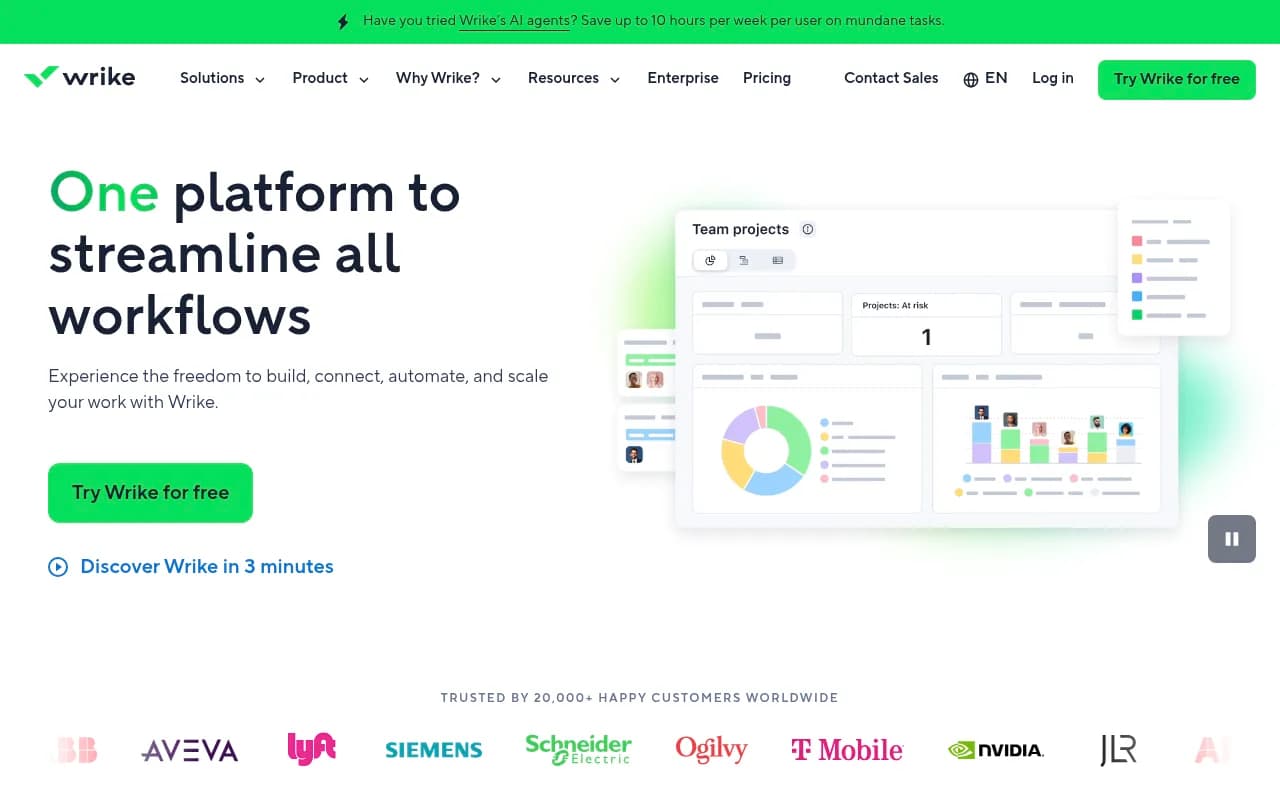
- Wrike: AI-powered project management for marketing teams. Gantt charts, approvals, and time tracking.
- Asana: Work management platform with strong collaboration features. Good for cross-functional teams.
- Monday.com: Visual work platform with customizable workflows. Easy to onboard clients.
Collaboration and Approvals
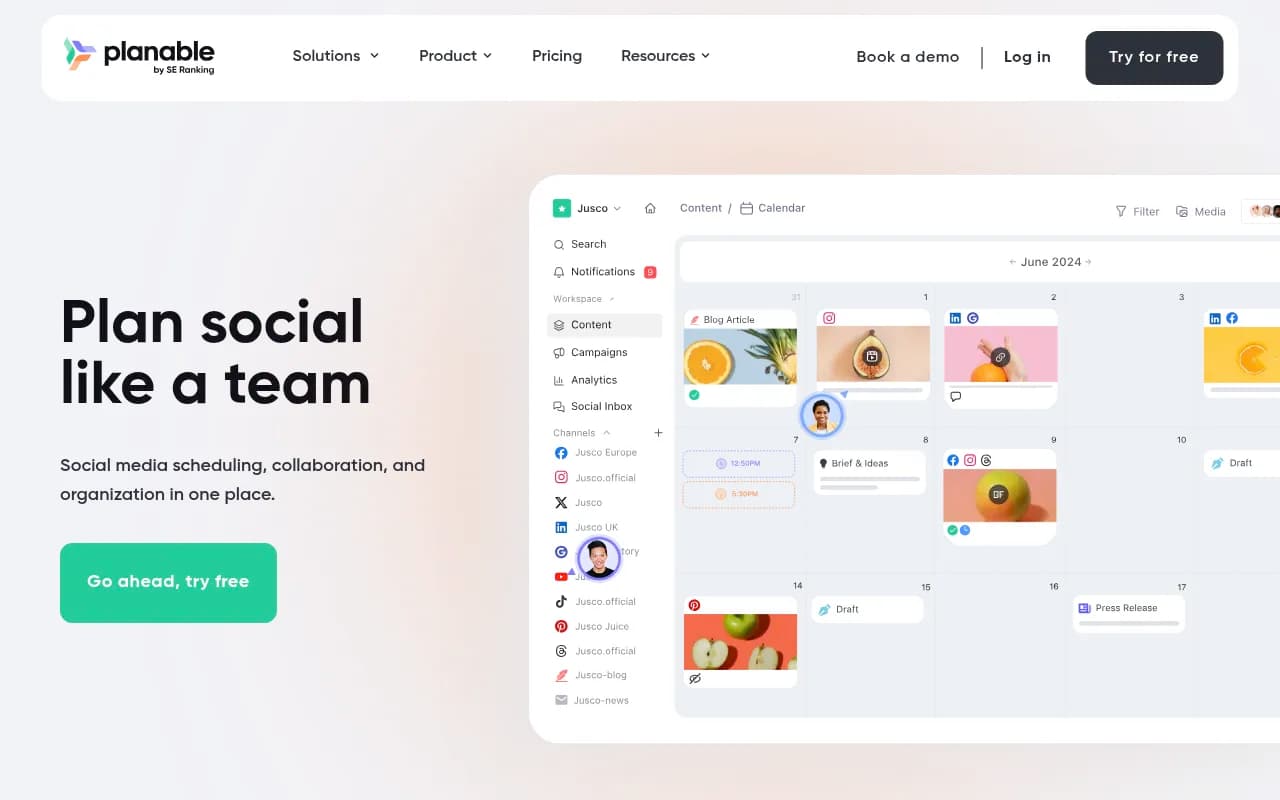
- Planable: Social media collaboration for agencies. Visual approval workflows and client feedback.
- Notion: All-in-one workspace for docs, wikis, and project management. Flexible but requires setup.
- Google Workspace: Docs, Sheets, Slides, and Drive. Standard for most agencies.
Building Your Stack: Integration Priorities
Don't try to implement everything at once. Start with the core and expand based on client needs.
Phase 1: Foundation (Month 1)
- AI visibility platform: Promptwatch or similar -- this is your eyes and ears
- Content creation: Pick one AI writing tool (Jasper, Surfer, or Frase)
- Technical SEO: Screaming Frog or Sitebulb for audits
- Analytics: Google Analytics 4 and Google Search Console
- Rank tracking: AccuRanker or SE Ranking
Phase 2: Optimization (Months 2-3)
- Competitive intelligence: Ahrefs or Semrush
- Performance monitoring: GTmetrix or DebugBear
- Automation: Zapier for basic workflows
- Project management: Wrike or Asana
Phase 3: Scale (Months 4-6)
- Attribution: Ruler Analytics or Dreamdata
- Advanced automation: Make or n8n for complex workflows
- Reporting: Looker Studio dashboards
- Client portals: White-label reporting in your rank tracker
Integration Examples
Here are three real-world integration workflows agencies use:
Workflow 1: AI Content Gap to Published Article
- Promptwatch identifies prompts where competitors rank but client doesn't
- Zapier sends gap data to Notion as a content brief
- Writer uses Jasper or Surfer SEO to draft article based on brief
- Editor reviews and publishes to WordPress with Rank Math optimization
- Promptwatch tracks citation improvements over next 30 days
- Google Analytics measures traffic from AI referrals
Workflow 2: Technical Issue Detection and Fix
- ContentKing detects broken page or missing meta tag
- Alert sent to Slack and Wrike task created
- Developer fixes issue in WordPress
- Screaming Frog re-crawls to verify fix
- Promptwatch crawler logs confirm AI bots can now access page
- Looker Studio dashboard shows resolution time
Workflow 3: Competitor Monitoring and Response
- Ahrefs alerts when competitor publishes new content
- Make pulls article into Notion for analysis
- Team reviews and decides to create better version
- Frase generates content brief based on top-ranking pages
- Writer creates article in Google Docs with Grammarly editing
- Published to WordPress and promoted via Buffer
- Promptwatch tracks if AI models start citing new article
Common Mistakes to Avoid
Mistake 1: Monitoring Without Optimization
Many agencies buy an AI visibility tracker, see where they're not ranking, and then... do nothing. They don't have a process to turn insights into action. The fix: choose a platform with built-in content gap analysis and AI writing, or build a workflow that connects monitoring to content creation.
Mistake 2: Generic AI Content
Using ChatGPT or Claude directly to write articles produces generic filler that AI models won't cite. The fix: use platforms that generate content grounded in real citation data, prompt volumes, and competitor analysis -- like Promptwatch's AI writing agent or Surfer SEO's content editor.
Mistake 3: Single-Engine Focus
Tracking only ChatGPT or only Perplexity gives you an incomplete picture. Different models have different citation preferences and user bases. The fix: use a platform that tracks 8-10+ AI engines, including ChatGPT, Perplexity, Claude, Gemini, Google AI Overviews, and more.
Mistake 4: No Traffic Attribution
You can't prove ROI if you can't connect AI visibility to actual traffic and revenue. The fix: implement traffic attribution via code snippet, GSC integration, or server log analysis. Promptwatch includes this; most competitors don't.
Mistake 5: Tool Sprawl
The average startup uses 106 SaaS apps. Adding more tools without consolidating creates context-switching overhead and kills execution speed. The fix: prioritize integrated platforms over point solutions. One tool that does three things well beats three tools that each do one thing.
Budget Considerations
Here's a realistic budget breakdown for a mid-sized agency (10-20 clients):
Lean Stack ($500-800/month)
- Promptwatch Professional: $249/mo (2 sites, 150 prompts, crawler logs)
- Surfer SEO: $119/mo (Content Editor + Audit)
- Screaming Frog: $209/year ($17/mo)
- AccuRanker: $116/mo (1,000 keywords)
- Zapier: $29/mo (Starter plan)
- Google Analytics + Search Console: Free
Total: $530/month
Standard Stack ($1,500-2,000/month)
- Promptwatch Business: $579/mo (5 sites, 350 prompts, 30 articles)
- Jasper: $49/mo (Creator plan)
- Ahrefs: $129/mo (Lite plan)
- Sitebulb: $45/mo (Lite plan)
- AccuRanker: $249/mo (5,000 keywords)
- Make: $29/mo (Core plan)
- Wrike: $9.80/user/mo (5 users = $49/mo)
- Looker Studio: Free
Total: $1,129/month
Premium Stack ($3,000-5,000/month)
- Promptwatch Enterprise: Custom pricing (~$1,500/mo for 20+ sites)
- Jasper: $125/mo (Pro plan)
- Ahrefs: $249/mo (Standard plan)
- Semrush: $229/mo (Guru plan)
- Sitebulb: $135/mo (Pro plan)
- AccuRanker: $499/mo (15,000 keywords)
- Ruler Analytics: $299/mo
- Make: $99/mo (Pro plan)
- Wrike: $24.80/user/mo (10 users = $248/mo)
- HubSpot Marketing Hub: $800/mo (Professional)
Total: $4,183/month
Measuring Success
Track these KPIs to prove your stack is working:
AI Visibility Metrics
- Visibility score: Percentage of tracked prompts where client appears in AI responses
- Citation count: Number of times client is cited across all AI engines
- Prompt coverage: Number of prompts client ranks for vs competitors
- Model distribution: Which AI engines cite client most often
Content Performance
- Articles published: Number of AI-optimized articles created per month
- Citation rate: Percentage of published articles that get cited by AI models
- Time to citation: Days between publishing and first AI citation
- Prompt win rate: Percentage of targeted prompts where client now ranks
Traffic and Revenue
- AI referral traffic: Sessions from ChatGPT, Perplexity, and other AI engines
- Conversion rate: Percentage of AI traffic that converts
- Revenue attribution: Dollar value of conversions from AI traffic
- ROI: Revenue from AI visibility divided by tool costs
The Future: What's Coming in 2027
The AI search landscape is evolving fast. Here's what agencies should prepare for:
More AI Engines
Expect 5-10 new AI search engines to launch in 2027. Your stack needs to be flexible enough to add new tracking sources without rebuilding everything.
Deeper Integrations
Platforms will start offering native integrations with CMS, analytics, and automation tools. The winners will be platforms that play well with others.
AI Agents for Optimization
The next generation of tools will include AI agents that automatically fix technical issues, generate content, and optimize pages -- not just flag problems.
Real-Time Attribution
Current attribution is mostly manual (code snippets, GSC exports). Expect real-time dashboards that show AI traffic and conversions as they happen.
Voice and Video Search
AI search is expanding beyond text. Tools that optimize for voice queries and video responses will become essential.
Final Recommendations
Building an agency tech stack for AI search optimization in 2026 comes down to three principles:
-
Consolidate, don't sprawl: Choose integrated platforms over point solutions. One tool that does three things well beats three tools that each do one thing.
-
Optimize, don't just monitor: Tracking AI visibility is table stakes. The real value is in platforms that help you fix gaps with content generation, technical optimization, and closed-loop attribution.
-
Prove ROI: Your stack must connect AI visibility to traffic and revenue. If you can't show clients the dollar value of AI search optimization, you'll lose them to agencies that can.
Start with Promptwatch as your foundation -- it's the only platform that covers the full action loop from gap analysis to content generation to traffic attribution. Add content creation (Jasper or Surfer), technical SEO (Screaming Frog or Sitebulb), and analytics (GA4 + GSC). Build from there based on client needs.
The agencies winning in AI search aren't using more tools -- they're using better-integrated ones. Focus on workflow, not widget count.